





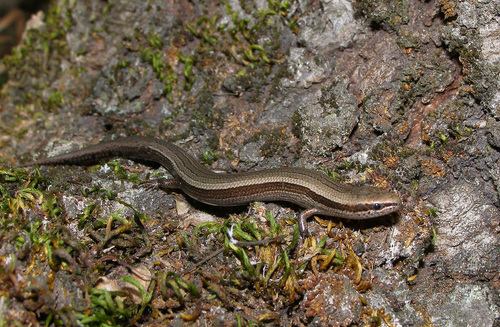


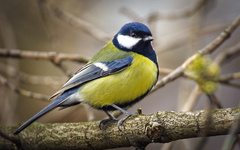
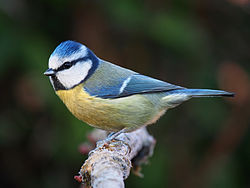


All 5 in 3 days here: ~30%
City
Bucharest
🇷🇴 Romania
Europe, Romania 246 spp. recorded
Bucharest is the capital and largest city of Romania. The metropolis stands on the River Dâmbovița in south-eastern Romania. Bucharest is a major cultural, political and economic hub, the country's seat of government, and the capital of the Muntenia region. Wikipedia
44.432° N 26.082° E
🦜 Nature

246 Species sighted
9,080 Verified sightings From 2019 to 2026
Jun Best month
⭐ Iconic Species
📊 Most Spotted
📊 Most Spotted

LC
 Least Weasel
Mustela nivalis

LC
 Brown Hare
Lepus europaeus
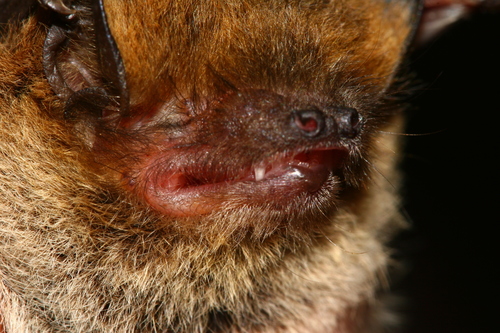
LC
 Kuhl's pipistrelle
Pipistrellus kuhlii
LC
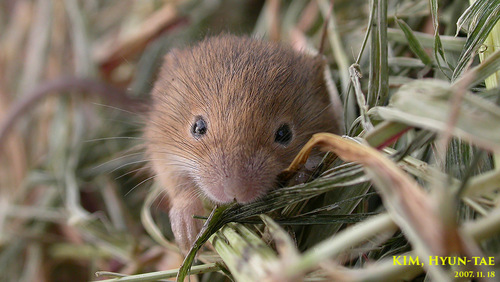
 Eurasian Harvest Mouse
Micromys minutus

LC
 Noctule
Nyctalus noctula

LC
 European Mole
Talpa europaea
⭐ Iconic Species
📊 Most Spotted
📊 Most Spotted

LC
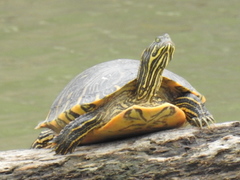
 False Map Turtle
Graptemys pseudogeographica

LC
 Aesculapian Snake
Zamenis longissimus
VU
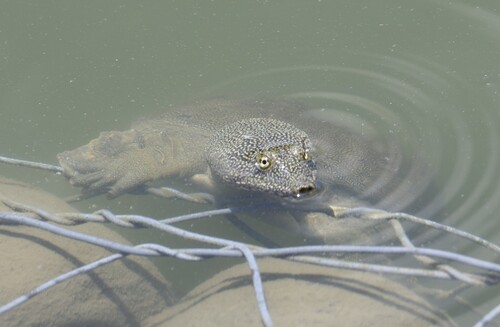
 Chinese Soft-shelled Turtle
Pelodiscus sinensis
LC
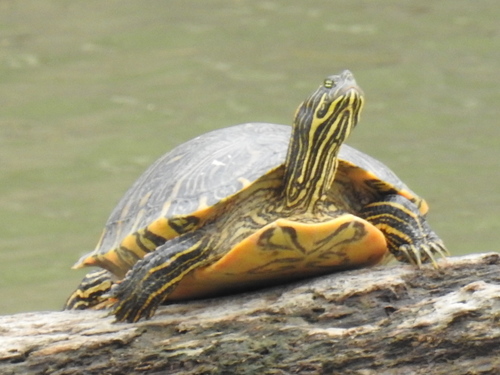
 River Cooter
Pseudemys concinna
📊 Most Spotted

LC
 Shelkovnikov's Tree Frog
Hyla orientalis

LC
 Smooth Newt
Lissotriton vulgaris

LC
 Agile Frog
Rana dalmatina
📊 Most Spotted
🌙 Most active after dark
LC
Shelkovnikov's Tree Frog
Hyla orientalis
LC
Smooth Newt
Lissotriton vulgaris
LC
Brown Hare
Lepus europaeus
LC
Agile Frog
Rana dalmatina
Challenges you can complete here





All 6 in 3 days here: ~20%


All 3 in 3 days here: ~10%


All 7 in 3 days here: <5%
Recent sightings in Bucharest
LIVEiNaturalistWhere to look
Warmer areas are where all species together are recorded most often.
-
Lacul Morii (Morii Lake)
-
Cismigiu Gardens
-
Parcul Natural Vacaresti
-
Bucharest general
-
Palace of Parliament
-
Parcul Tineretului
-
Lacul Plumbuita
-
Alexandru Ioan Cuza Park
Daily sight. prob.vs avg -
Bucharest Airport









Sighting Calendar
How many species you'd see in a day
23Jan
22Feb
37Mar
44Apr
45May
47Jun
42Jul
40Aug
35Sep
35Oct
29Nov
24Dec
🏙️ City
Essentials
Green cover
Medium
Protected land
0.7%
Protected sea
—
Protected areas
1
areasWildlife spots
10
spotsZoos & centres
0
placesClimate
Continental
World Heritage
No
Climate
Temp °C Rain mm
JanFebMarAprMayJunJulAugSepOctNovDec
0.0 Good
Wallace's Line Score
How good is this city for seeing wildlife? 🦜
Biodiversity
GoodHow rich is the wildlife?
3.4
Species by taxon
🦅 Birds 317
🐒 Mammals 80
🦎 Reptiles 31
🐸 Amphibians 12
440 Total Species
679 Global average across 380 cities
26 Threatened 0 Endemic
🔭
Sighting
GoodHow likely to see animals?
3.5
🎯
Top-12 Avg Probability
59% 📊
Coverage (94 species at ≥5% of 440 in the inventory)
21% 🔀
Taxon variety in top 12 (12 bird)
0% 🌟
Iconic-group species (≥15%) (every species from the 19 iconic groups — monkeys, cats, toucans, macaws, sloths, crocodilians… — not just the 4 highlighted above)
0 ⭐
High-prob species (>40%)
16 🏕️
Experience
GoodHow easy and pleasant is the visit?
3.4
Climate Mixed Medium
Green cover Medium Medium
Protected land & sea 0.7% land Low
Protected areas 1 Medium
Wildlife spots 10 Medium
Zoos & centres 0 Low
What visitors say
Before you go
What animals can you see in Bucharest?
246 species
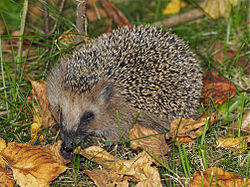
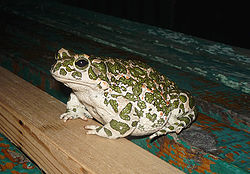
Bucharest's urban area has 246 recorded vertebrate species. The ones wildlife watchers report most often on a given day are Hooded Crow (about 80%), Mallard (about 80%), Wood Pigeon (about 70%), Eurasian Blackbird (about 60%) and Great Tit (about 60%). Among mammals, the most-seen is Northern White-breasted Hedgehog (about 30%); among reptiles, Common Wall Lizard (about 30%); among amphibians, Green Toad (about 30%).
When is the best time to see wildlife in Bucharest?
Any time of year
Wildlife is about as easy to see all year: the city's 12 most-seen species average about 60% on a given day in every month with enough records.
Can you see a Pygmy Cormorant in Bucharest?
Yes
About 50% of wildlife watchers report a Pygmy Cormorant sighting in Bucharest on a given day, based on 217 verified sightings from GBIF citizen-science data from 2019 to 2026. The best time is January (about 80%).
Can you see a Hooded Crow in Bucharest?
Yes
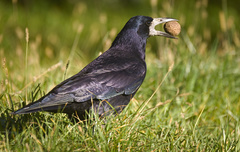
About 80% of wildlife watchers report a Hooded Crow sighting in Bucharest on a given day, based on 461 verified sightings from GBIF citizen-science data from 2019 to 2026. The best time is January, March, May–June and September–November (about 90%).
Can you see a Syrian Woodpecker in Bucharest?
Yes
About 50% of wildlife watchers report a Syrian Woodpecker sighting in Bucharest on a given day, based on 212 verified sightings from GBIF citizen-science data from 2019 to 2026. The best time is September (about 70%).
Where in Bucharest is wildlife easiest to see?
Parcul Herastrau
The spot where most wildlife watchers record their sightings is Parcul Herastrau (85 bird species recorded), followed by Lacul Morii (Morii Lake) and Cismigiu Gardens. See them on the map.
Is Bucharest good for wildlife watching?
3.4 out of 5
On the Wallace's Line Score, which rates each city against other cities, Bucharest gets 3.4/5: 333rd of 380 cities worldwide and 42nd in Europe. 17 of its species are reported by about 40% or more of wildlife watchers on a given day.
Nearest Cities


Nearest Parks


Nearest Zoos & Centres


Sources: urban area GHSL Urban Centre Database R2024A, European Commission JRC (CC BY 4.0) · protected land WDPA, UNEP-WCMC & IUCN (via GHSL) · climate NASA POWER · wildlife GBIF.org citizen-science data