Apefly

Apefly

Spalgis epius

Daily sighting probability ~10% · With luck
at Mumbai

In 3 days ~20% in a week ~40%

29 Verified sightings at Mumbai
January Best month
☀️ Diurnal When it's spotted

About the Apefly

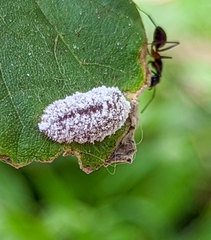
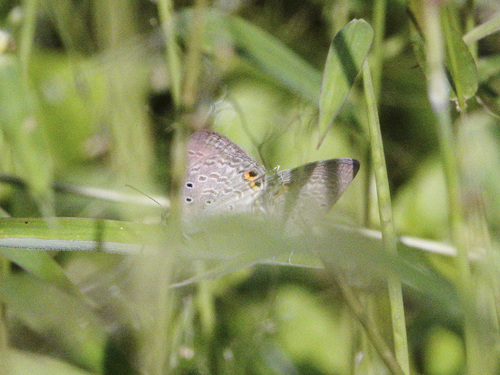
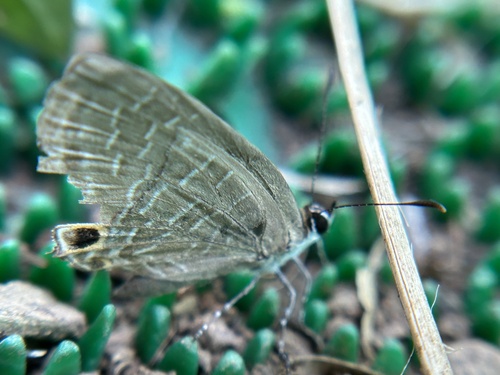
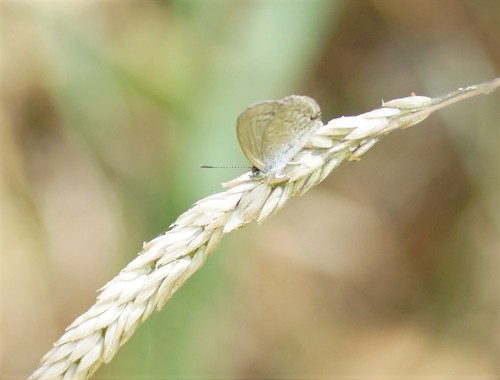
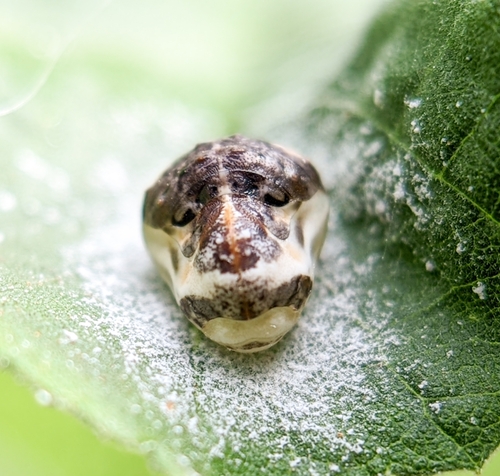
Spalgis epius, commonly known as the apefly, is a small species of butterfly found in the Indomalayan realm that belongs to the lycaenids or blues family. It gets its name from the supposed resemblance of its pupa to the face of an ape.

Upperside: dull brown, slightly darker towards the apex of the forewing; also a more or less quadrate whitish spot beyond the apex of the cell on the same wing; in some specimens this spot is slightly diffuse. Underside: pale, silky, brownish white; forewings and hindwings crossed by numerous, very slender, short, sinuous, transverse, dark brown strigae which are outwardly slenderly edged with brownish white of a shade paler than that of the ground colour; both wings with an anteciliary dark brown line with on the inner side a similar edging. Forewing, in addition, with an oval white spot beyond the cell. Cilia of both forewings and hindwings of the same shade as the ground colour of the wings. Antenna, head, thorax and abdomen pale brown, club of antennae ochraceous at apex; beneath: the palpi and thorax brownish grey, abdomen pale brown.

Upperside: slightly paler brown. Forewing: the cell and apex darker; a... Wikipedia →
Global Distribution

Parks Where Found

# Park Country Daily sighting probability

More parks will be added in future updates.

Cities Where Found

# City Country Daily sighting probability
1 Bengaluru 🇮🇳 India
~20%
2 Salem 🇮🇳 India
~20%
3 Ponnani 🇮🇳 India
~10%
4 Colombo [Sri Jayawardenepura Kotte] 🇱🇰 Sri Lanka
~10%
5 Kochi 🇮🇳 India
~10%
6 Thiruvananthapuram 🇮🇳 India
~10%
7 Yogyakarta 🇮🇩 Indonesia
~10%
8 Pune 🇮🇳 India
~10%
9 Kozhikode 🇮🇳 India
~10%
10 Mysuru 🇮🇳 India
~10%

Before you go

What are the chances of seeing an Apefly in Mumbai?

With luck

About 10% of wildlife watchers report an Apefly sighting in Mumbai on a given day, based on 29 verified sightings from GBIF citizen-science data. It is the 118th most-seen of the 362 insects we can rate there. Over three days the chance rises to about 20%, and over a week to about 40%, if each day is a fresh chance.

When is the best time to see an Apefly in Mumbai?

January and February

In those months about 20% of wildlife watchers report an Apefly in Mumbai on a given day, against under 5% in July to October, the lowest months. Those are among Mumbai's driest months, with almost no rain against 830 mm in July.

What time of day is best to see an Apefly?

Between 10 am and 1 pm

Across all the parks we cover, that three-hour window holds the most Apefly sightings with a recorded time, and about 9 in 10 of them come between 6 am and 6 pm: it is a daytime animal.

Is Mumbai the best place to see an Apefly?

13th of 17

Of the 17 cities where we can rate Apefly sightings, Mumbai ranks 13th at about 10%. The best odds are in Bengaluru (India, about 20%), Salem (India, about 20%) and Ponnani (India, about 10%).

Which relatives of the Apefly live in Mumbai?

Same family: Lycaenidae

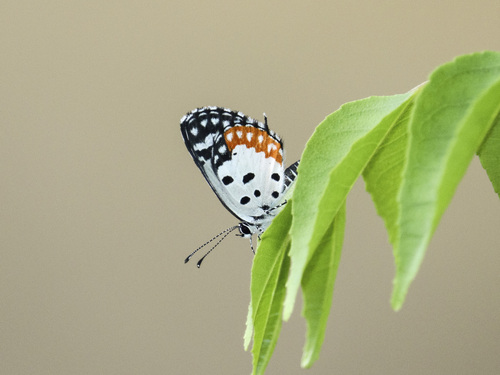
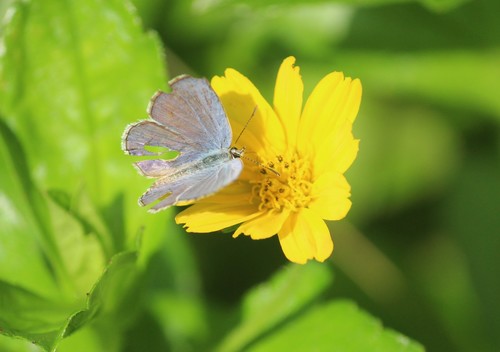
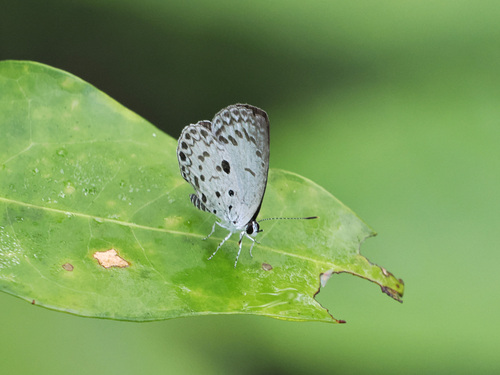
The closest relatives of the Apefly that you can see in Mumbai (family Lycaenidae, Gossamer-winged Butterflies) are Red Pierrot (about 30%), Plains Cupid (about 20%) and Lime Blue (about 20%), with each one's daily chance of a sighting.

Where does the Apefly sighting chance come from?

GBIF citizen-science records

It is estimated from how often the Apefly is recorded against all the insects logged in Mumbai (29 verified sightings), calibrated against known sighting rates. Figures are rounded to the nearest 10% because citizen-science data supports honest approximations, not decimals, and months with records from fewer than five people show "—". How it works.

← Back to Mumbai