










All 3 in 3 days here: ~90%
City
Yogyakarta
🇮🇩 Indonesia
Southeast Asia, Indonesia 152 spp. recorded
Yogyakarta is the capital city of the Special Region of Yogyakarta in Indonesia, in the south-central part of the island of Java. As the only Indonesian royal city still ruled by a monarchy, Yogyakarta is regarded as an important centre for classical Javanese fine arts and culture such as ballet, batik textiles, drama, literature, music, poetry, silversmithing, visual arts, and wayang puppetry. Wikipedia
7.794° S 110.511° E
🦜 Nature

152 Species sighted
3,737 Verified sightings From 2019 to 2026
Mar Best month
⭐ Iconic Species
📊 Most Spotted
📊 Most Spotted

LC
 Common Palm Civet
Paradoxurus hermaphroditus
LC
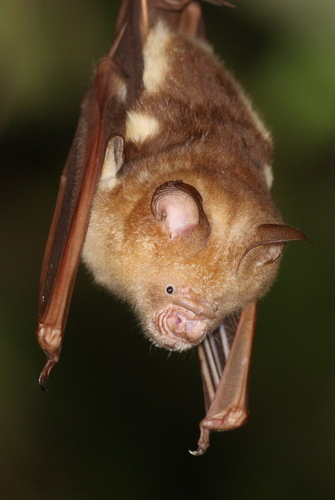
Diadem Roundleaf Bat
Hipposideros diadema

LC
Lesser false vampire bat
Megaderma spasma

LC
Brown Rat
Rattus norvegicus

LC
 Asian House Shrew
Suncus murinus
⭐ Iconic Species
📊 Most Spotted
⭐ Iconic Species
📊 Most Spotted
📊 Most Spotted
LC Endemic
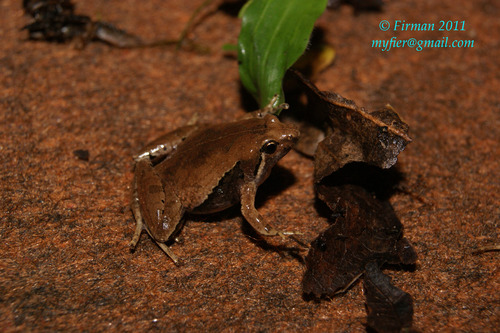
Javan Chorus Frog
Microhyla achatina
LC
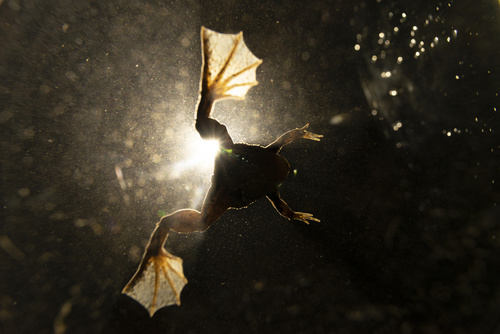
 Green Puddle Frog
Occidozyga lima
LC
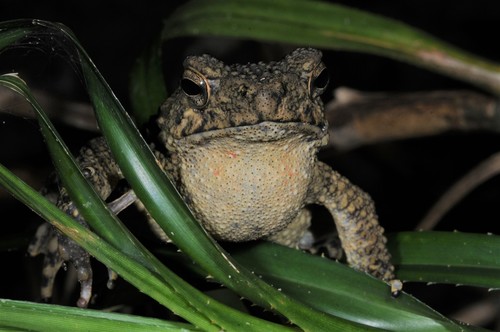
 River Toad
Phrynoidis asper

LC
Crab-eating Frog
Fejervarya cancrivora
📊 Most Spotted
⭐ Iconic Species
🌙 Most active after dark
Challenges you can complete here
Recent sightings in Yogyakarta
LIVEiNaturalistWhere to look
Warmer areas are where all species together are recorded most often.
-
Candi Prambanan
Daily sight. prob.vs avg -
Gadjah Mada University · Wisdom Park (Lembah UGM)
-
Malioboro · Melia Hotel Yogyakarta








Sighting Calendar
How many species you'd see in a day
47Jan
45Feb
52Mar
50Apr
51May
49Jun
50Jul
46Aug
45Sep
38Oct
43Nov
47Dec
🏙️ City
Essentials
Green cover
High
Protected land
0.0%
Protected sea
—
Protected areas
2
areasWildlife spots
3
spotsZoos & centres
1
placesClimate
Tropical monsoon
Climate
Temp °C Rain mm
JanFebMarAprMayJunJulAugSepOctNovDec
Zoos & rescue centres

0.0 World-class
Wallace's Line Score
How good is this city for seeing wildlife? 🦜
Biodiversity
Very goodHow rich is the wildlife?
4.4
Species by taxon
🦅 Birds 415
🐒 Mammals 113
🦎 Reptiles 124
🐸 Amphibians 27
679 Total Species
679 Global average across 380 cities
42 Threatened 27 Endemic
🔭
Sighting
ExcellentHow likely to see animals?
5.0
🎯
Top-12 Avg Probability
78% 📊
Coverage (106 species at ≥5% of 679 in the inventory)
16% 🔀
Taxon variety in top 12 (7 bird, 3 reptile, 2 amphibian)
76% 🌟
Iconic-group species (≥15%) (every species from the 19 iconic groups — monkeys, cats, toucans, macaws, sloths, crocodilians… — not just the 4 highlighted above)
1 ⭐
High-prob species (>40%)
27 🏕️
Experience
ExcellentHow easy and pleasant is the visit?
4.0
Climate Pleasant High
Green cover High High
Protected land & sea 0.0% land Low
Protected areas 2 Medium
Wildlife spots 3 Medium
Zoos & centres 1 Medium
What visitors say
Before you go
What animals can you see in Yogyakarta?
152 species
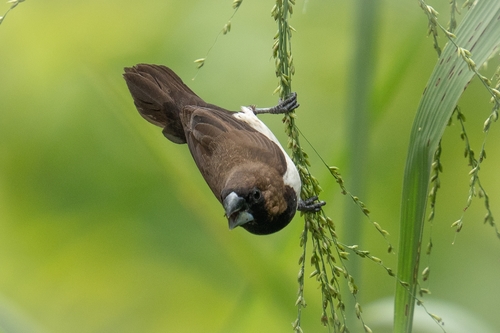
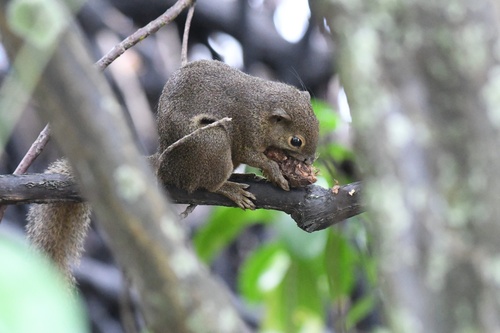
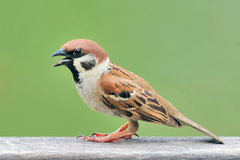
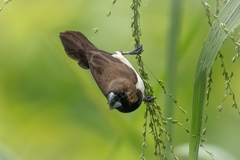
Yogyakarta's urban area has 152 recorded vertebrate species. The ones wildlife watchers report most often on a given day are Zebra Dove (about 90%), Cave Swiftlet (about 90%), Eurasian Tree Sparrow (about 90%), Javan Munia (about 80%) and Pearl-necked Dove (about 80%). Among mammals, the most-seen is Plantain Squirrel (about 40%); among reptiles, Flat-tailed House Gecko (about 80%); among amphibians, Common Tree Frog (about 80%).
When is the best time to see wildlife in Yogyakarta?
July, September and November–December
In those months the city's 12 most-seen species average about 80% on a given day, against about 60% in October.
Can you see a Cave Swiftlet in Yogyakarta?
Yes
About 90% of wildlife watchers report a Cave Swiftlet sighting in Yogyakarta on a given day, based on 177 verified sightings from GBIF citizen-science data from 2019 to 2026. The best time is July (over 90%).
Can you see a Javan Munia in Yogyakarta?
Yes
About 80% of wildlife watchers report a Javan Munia sighting in Yogyakarta on a given day, based on 172 verified sightings from GBIF citizen-science data from 2019 to 2026. The best time is February, June–July, September and November (about 90%).
Can you see a Scarlet-headed Flowerpecker in Yogyakarta?
Yes
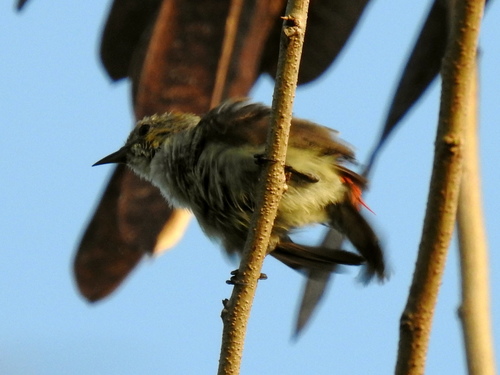
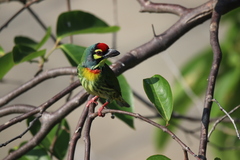
About 60% of wildlife watchers report a Scarlet-headed Flowerpecker sighting in Yogyakarta on a given day, based on 112 verified sightings from GBIF citizen-science data from 2019 to 2026. The best time is March and September (about 80%).
Where in Yogyakarta is wildlife easiest to see?
Candi Prambanan
The spot where most wildlife watchers record their sightings is Candi Prambanan (52 bird species recorded), followed by Gadjah Mada University · Wisdom Park (Lembah UGM) and Malioboro · Melia Hotel Yogyakarta. See them on the map.
Is Yogyakarta good for wildlife watching?
4.8 out of 5
On the Wallace's Line Score, which rates each city against other cities, Yogyakarta gets 4.8/5: 25th of 380 cities worldwide and 3rd in Southeast Asia. 33 of its species are reported by about 40% or more of wildlife watchers on a given day.
Nearest Cities


Nearest Parks


Nearest Zoos & Centres


Sources: urban area GHSL Urban Centre Database R2024A, European Commission JRC (CC BY 4.0) · protected land WDPA, UNEP-WCMC & IUCN (via GHSL) · climate NASA POWER · wildlife GBIF.org citizen-science data