Woolly Beech Aphid

Woolly Beech Aphid

Phyllaphis fagi

Daily sighting probability <5% · Rare
at New York City

In 3 days ~10%

9 Verified sightings at New York City
6 In 1 park From 2019 to 2026
May Best month
☀️ Diurnal When it's spotted

About the Woolly Beech Aphid

Phyllaphis fagi, the woolly beech aphid, is a species of aphid in the family Aphididae. It was first described in 1761 as Chermes fagi by Linnaeus. This species can be found in Central and Southern Europe and it has been introduced to the Middle East, Australia, New Zealand and North America.

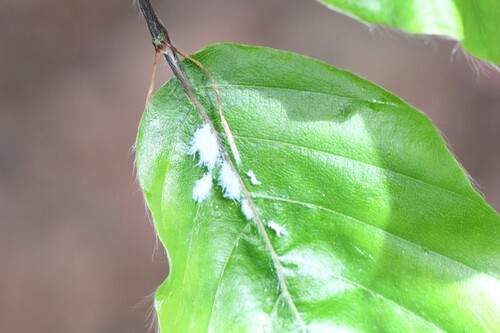
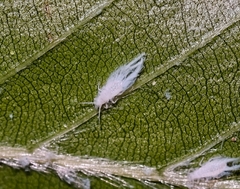
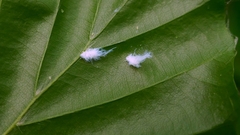
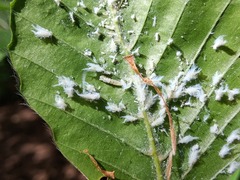
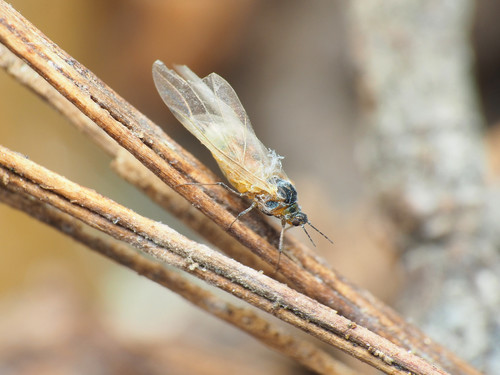
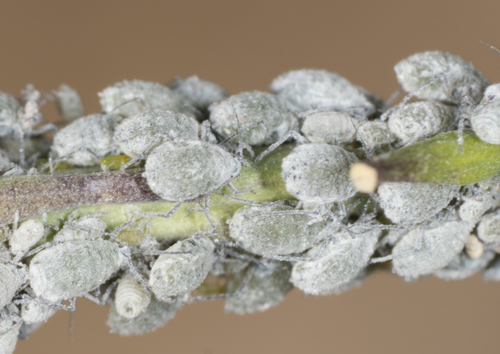
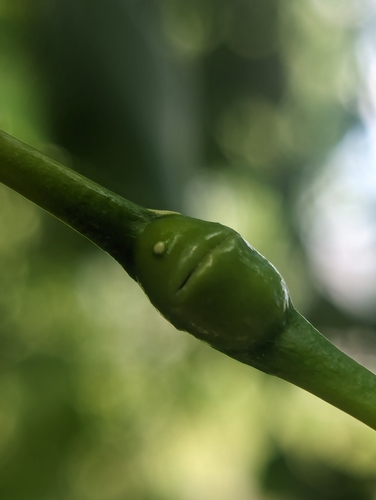
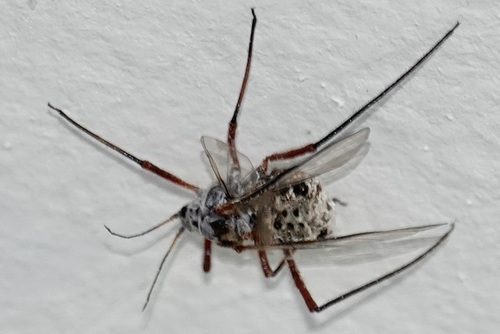
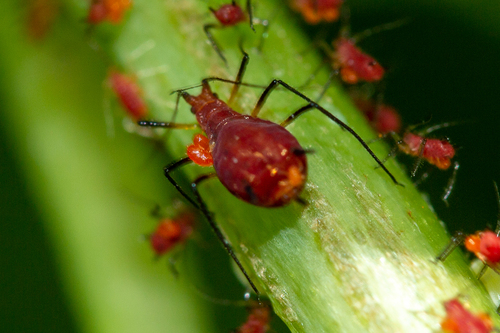
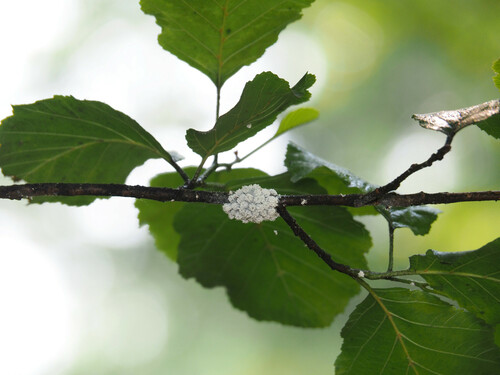
Phyllaphis fagi can reach a length of the oval body of one to three millimeters. Their bodies are light bluish-green. Some specimen show a pronounced dark banding on the abdomen. The antennae are slightly shorter than the body. Winged as well as wingless animals excrete white to bluish-white wax threads, giving them a woolly appearance.

This species is monoecious and holocyclic. When a cyclical parthenogenesis occurs, aphids reproduce sexually in the autumn and produce an overwintering egg, deposited on buds and bark crevices of the host plant. In spring the newly hatched nymphs develop in about two to three weeks and at least three molts to wingless, 2–3 mm large Fundatrix. A fundatrix can produce up to 80 virgin young larvae of the next generation. The first-generation form colonies on the underside of infested leaves. During the summer, several... Wikipedia →

Global Distribution

Parks Where Found

# Park Country Daily sighting probability
1 Bavarian Forest National Park 🇩🇪 Germany
<5%

More parks will be added in future updates.

Cities Where Found

# City Country Daily sighting probability
1 Berlin 🇩🇪 Germany
<5%
2 Liverpool 🇬🇧 United Kingdom
<5%
3 London 🇬🇧 United Kingdom
<5%
4 Vancouver 🇨🇦 Canada
<5%
5 New York City 🇺🇸 United States
<5%

Before you go

What are the chances of seeing a Woolly Beech Aphid in New York City?

Rare

Under 5% of wildlife watchers report a Woolly Beech Aphid sighting in New York City on a given day, based on 9 verified sightings from GBIF citizen-science data. It is the 1094th most-seen of the 1623 insects we can rate there. Over three days the chance rises to about 10%, if each day is a fresh chance.

When is the best time to see a Woolly Beech Aphid in New York City?

Any time of year

In every month with enough records, under 5% of wildlife watchers report a Woolly Beech Aphid in New York City on a given day, so our monthly data shows no clear season.

What time of day is best to see a Woolly Beech Aphid?

Between 1 and 4 pm

Across all the parks we cover, that three-hour window holds the most Woolly Beech Aphid sightings with a recorded time, and about 8 in 10 of them come between 6 am and 6 pm: it is a daytime animal.

Is New York City the best place to see a Woolly Beech Aphid?

Among the best

Of the 5 cities where we can rate Woolly Beech Aphid sightings, New York City ranks 5th at under 5%, level with the leaders once rounded. The best odds are in Berlin (Germany, under 5%), Liverpool (United Kingdom, under 5%) and London (United Kingdom, under 5%).

Which relatives of the Woolly Beech Aphid live in New York City?

Same family: Aphididae

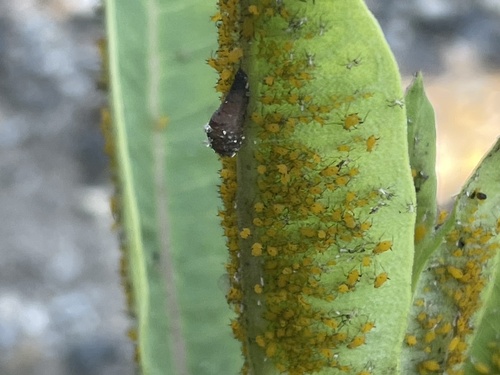
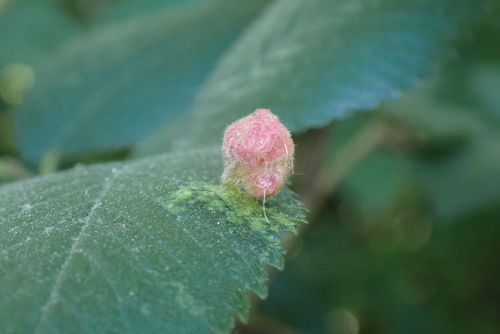
The closest relatives of the Woolly Beech Aphid that you can see in New York City (family Aphididae, Aphids) are Oleander Aphid (about 10%) and Witch-Hazel Cone Gall Aphid (about 10%), with each one's daily chance of a sighting.

Where does the Woolly Beech Aphid sighting chance come from?

GBIF citizen-science records

It is estimated from how often the Woolly Beech Aphid is recorded against all the insects logged in New York City (9 verified sightings), calibrated against known sighting rates. Figures are rounded to the nearest 10% because citizen-science data supports honest approximations, not decimals, and months with records from fewer than five people show "—". How it works.

← Back to New York City