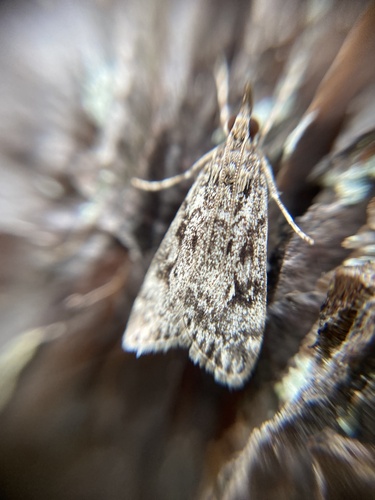
Small China-Mark

Small China-Mark

Cataclysta lemnata

Daily sighting probability <5% · Rare
at Paris

In 3 days ~10% in a week ~20%

15 Verified sightings at Paris
23 In all 2 parks From 2019 to 2026
August Best month
🌅 Crepuscular When it's spotted

About the Small China-Mark

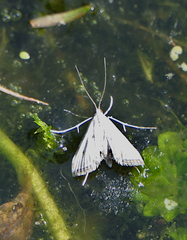
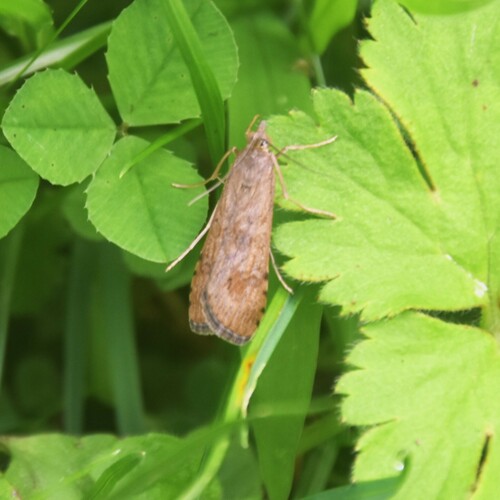
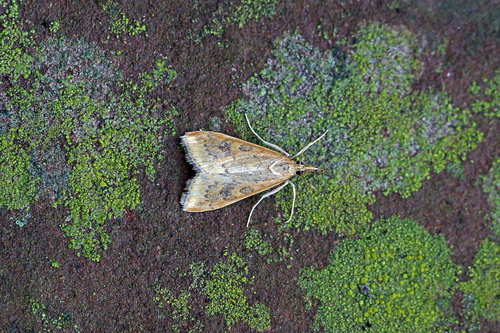
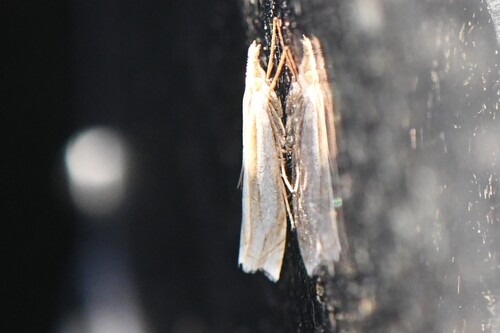
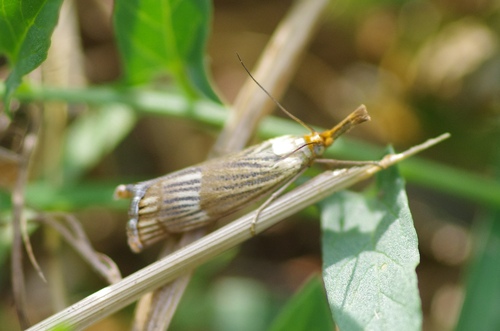
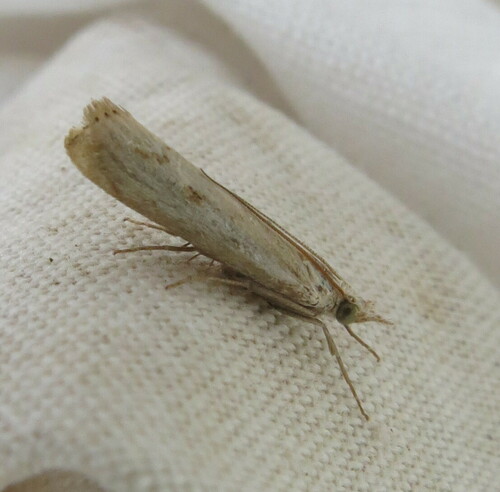
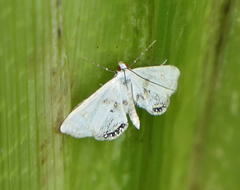
Cataclysta lemnata, the small china-mark, is a moth species of the family Crambidae. It is found in Europe (including Great Britain and Ireland), Morocco and Iran. Adults of the species are sexually dimorphic. The wingspan is 18–19 mm for males and 22–24 mm for females. The forewings are white. The costa, discal spot and a series of terminal spots are all fuscous. The hindwings are white with scattered pale fuscous scales. Meyrick describes it- The forewings in male are whitish, with a yellowish-fuscous discal dot, traces of lines, and a pale brownish terminal streak; in female pale brownish, ochreous-mixed, with a darker discal spot, lines very indistinct, whitish, darker-edged, a whitish siibterminal streak. Hindwings are white; a dark fuscous discal dot; lines outlined with fuscous, sometimes nearly obsolete, first preceded by a yellow or fuscous spot in disc; subterminal and terminal ochreous lines enclosing a black fascia marked with four bluish-silvery dots. The larva is dark green or blackish; dorsal line black; head pale brown. See also Parsons et al.

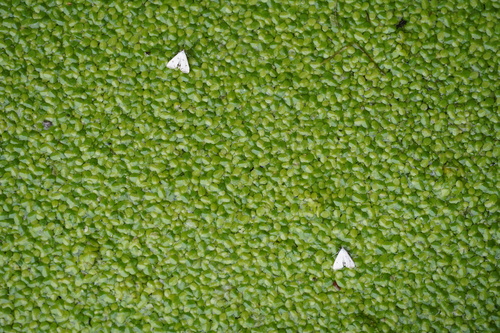
The moth flies from May to August depending on the location. Larvae are semiaquatic. C. lemnata larvae have been recorded feeding on duckweed species (including Lemna species and Spirodela polyrhiza), as well as water ferns of the genus Azolla. The species is known to pupate in cocoons or shelters built from plant material. Wikipedia →
Global Distribution

Parks Where Found

# Park Country Daily sighting probability
1 Bavarian Forest National Park 🇩🇪 Germany
~10%
2 Wadden Sea National Park 🇩🇪 Germany
<5%

Cities Where Found

# City Country Daily sighting probability
1 Liverpool 🇬🇧 United Kingdom
~10%
2 London 🇬🇧 United Kingdom
~10%
3 Amsterdam 🇳🇱 Netherlands
~10%
4 Rotterdam [The Hague] 🇳🇱 Netherlands
~10%
5 Berlin 🇩🇪 Germany
~10%
6 Manchester 🇬🇧 United Kingdom
~10%
7 Minsk 🇧🇾 Belarus
<5%
8 Birmingham 🇬🇧 United Kingdom
<5%
9 Munich 🇩🇪 Germany
<5%
10 Warsaw 🇵🇱 Poland
<5%

Before you go

What are the chances of seeing a Small China-Mark in Paris?

Rare

Under 5% of wildlife watchers report a Small China-Mark sighting in Paris on a given day, based on 15 verified sightings from GBIF citizen-science data. It is the 474th most-seen of the 916 insects we can rate there. Over three days the chance rises to about 10%, and over a week to about 20%, if each day is a fresh chance.

When is the best time to see a Small China-Mark in Paris?

June and August

In those months about 10% of wildlife watchers report a Small China-Mark in Paris on a given day, against under 5% in July and September–May, the lowest months.

What time of day is best to see a Small China-Mark?

Between 5 and 8 pm

Across all the parks we cover, that three-hour window holds the most Small China-Mark sightings with a recorded time, and about half of them come between 6 pm and 6 am: it is most active around dawn and dusk.

Is Paris the best place to see a Small China-Mark?

13th of 18

Of the 18 cities where we can rate Small China-Mark sightings, Paris ranks 13th at under 5%. The best odds are in Liverpool (United Kingdom, about 10%), London (United Kingdom, about 10%) and Amsterdam (Netherlands, about 10%).

Which relatives of the Small China-Mark live in Paris?

Same family: Crambidae

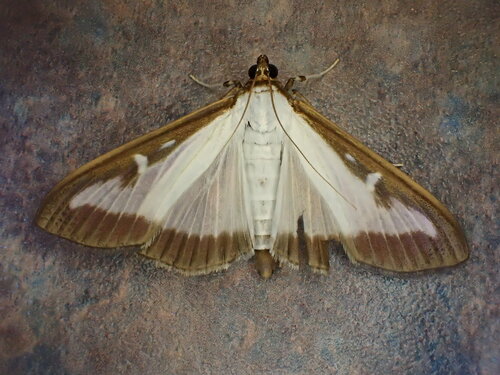
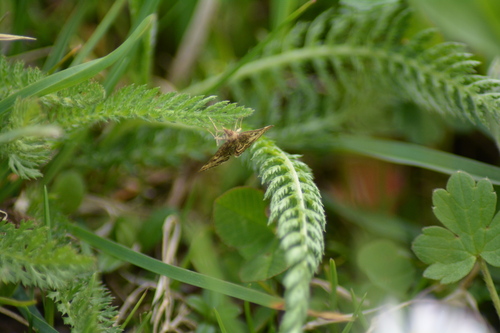
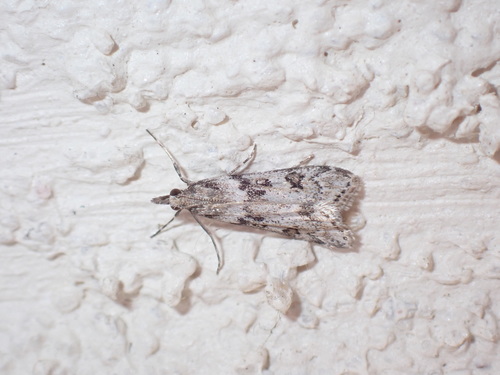
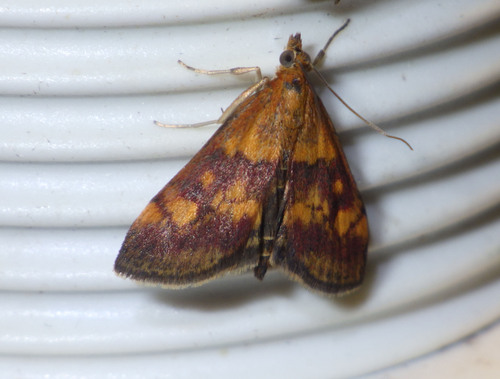
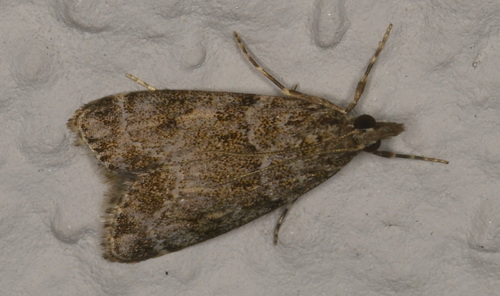
The closest relatives of the Small China-Mark that you can see in Paris (family Crambidae, Crambid Snout Moths) are Box Tree Moth (about 10%), Straw-Barred Pearl (about 10%) and Narrow-Winged Grey (about 10%), with each one's daily chance of a sighting.

Where does the Small China-Mark sighting chance come from?

GBIF citizen-science records

It is estimated from how often the Small China-Mark is recorded against all the insects logged in Paris (15 verified sightings), calibrated against known sighting rates. Figures are rounded to the nearest 10% because citizen-science data supports honest approximations, not decimals, and months with records from fewer than five people show "—". How it works.

← Back to Paris