Eastern Sycamore Lace Bug

Eastern Sycamore Lace Bug

Corythucha ciliata

Daily sighting probability <5% · Rare
at Perth

In 3 days ~10% in a week ~30%

12 Verified sightings at Perth
47 In all 2 parks From 2019 to 2026
March Best month
☀️ Diurnal When it's spotted

About the Eastern Sycamore Lace Bug

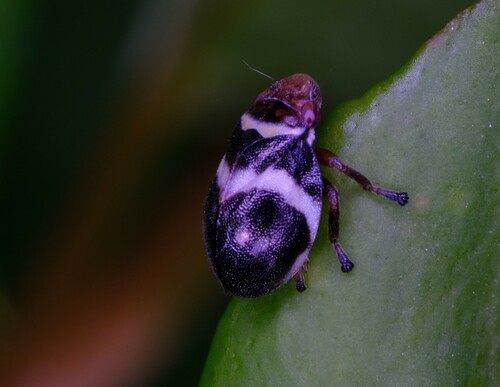
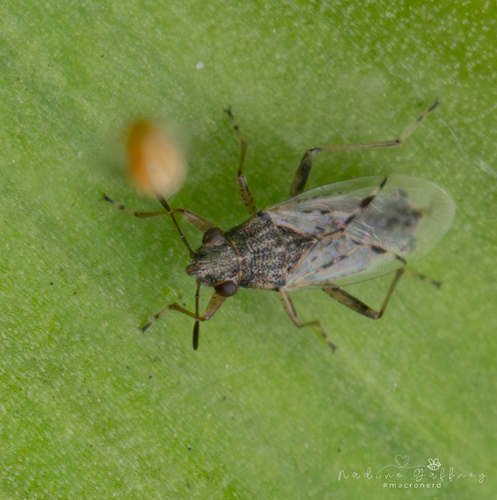
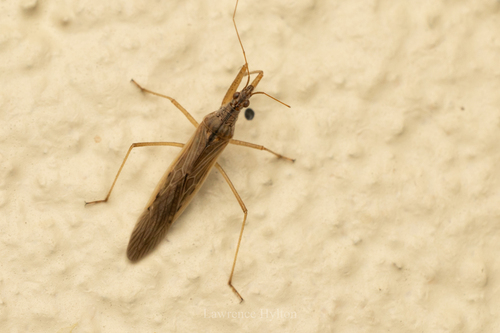
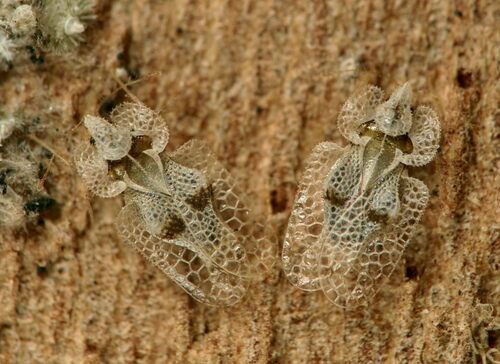
Corythucha ciliata, the sycamore lace bug, is a species of lace bug in the family Tingidae that is associated with sycamore trees. It's also known as the plane lace bug due to its association with the London plane (Platanus × hispanica).

It originates in the New World, but has been introduced and has spread in Europe. It is a small, whitish insect and feeds on the underside of the leaves, sucking sap. There are reports in Europe of C. cilata landing on people and biting them. Reports from Italy, France and Romania indicate that some people experience adverse reactions, e.g., dermatosis.

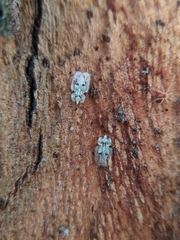
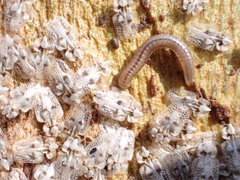
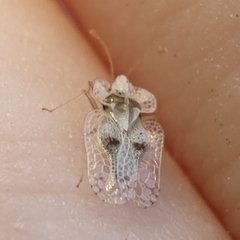
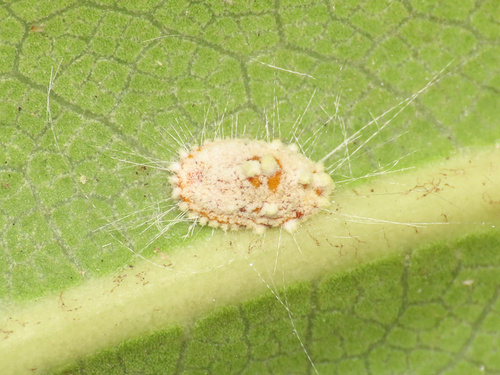
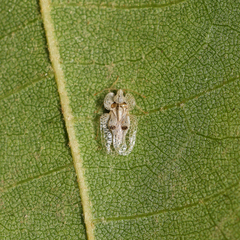
The adult sycamore lace bug is milky white in colour and between 3.2 and 3.7 mm (0.13 and 0.15 in) in length. It is similar in appearance to the cotton lace bug (Corythucha gossypii) and the Florida oak lace bug (Corythucha floridana), but lacks the brown crescent-shaped band on the carina (ridge on the body-wall) of the former and is larger than the latter. The only brown colour is a small spot on the protuberance on each elytron (wing-case). The nymphs are oval in shape, dorso-ventrally flattened, black and prickly. This lace bug can most easily be distinguished from other species... Wikipedia →
Global Distribution

Parks Where Found

# Park Country Daily sighting probability
1 Cévennes National Park 🇫🇷 France
~10%
2 Pyrénées National Park 🇫🇷 France
~10%

Cities Where Found

# City Country Daily sighting probability
1 Paris 🇫🇷 France
~20%
2 Hefei 🇨🇳 China
~20%
3 Budapest 🇭🇺 Hungary
~10%
4 Lyon 🇫🇷 France
~10%
5 Turin 🇮🇹 Italy
~10%
6 Vienna 🇦🇹 Austria
~10%
7 Santiago 🇨🇱 Chile
~10%
8 Brussels 🇧🇪 Belgium
~10%
9 Barcelona 🇪🇸 Spain
~10%
10 Auckland 🇳🇿 New Zealand
~10%

Before you go

What are the chances of seeing an Eastern Sycamore Lace Bug in Perth?

Rare

Under 5% of wildlife watchers report an Eastern Sycamore Lace Bug sighting in Perth on a given day, based on 12 verified sightings from GBIF citizen-science data. It is the 143rd most-seen of the 275 insects we can rate there. Over three days the chance rises to about 10%, and over a week to about 30%, if each day is a fresh chance.

When is the best time to see an Eastern Sycamore Lace Bug in Perth?

February and March

In those months about 10% of wildlife watchers report an Eastern Sycamore Lace Bug in Perth on a given day, against under 5% in April to January, the lowest months. Those are among Perth's driest months, with about 20 mm of rain a month against 130 mm in July.

What time of day is best to see an Eastern Sycamore Lace Bug?

Between 1 and 4 pm

Across all the parks we cover, that three-hour window holds the most Eastern Sycamore Lace Bug sightings with a recorded time, and about 8 in 10 of them come between 6 am and 6 pm: it is a daytime animal.

Is Perth the best place to see an Eastern Sycamore Lace Bug?

19th of 29

Of the 29 cities where we can rate Eastern Sycamore Lace Bug sightings, Perth ranks 19th at under 5%. The best odds are in Paris (France, about 20%), Hefei (China, about 20%) and Budapest (Hungary, about 10%).

Which relatives of the Eastern Sycamore Lace Bug live in Perth?

Same order: Hemiptera

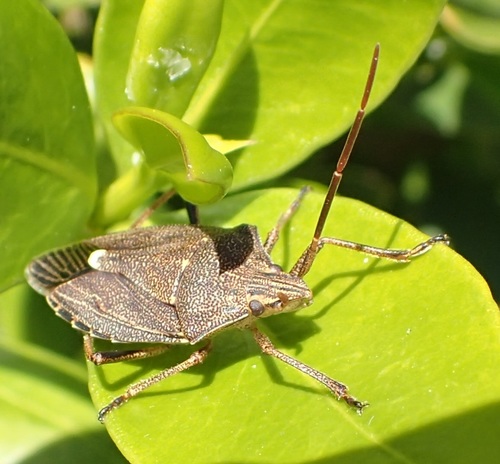
The closest relatives of the Eastern Sycamore Lace Bug that you can see in Perth (order Hemiptera, True Bugs, Hoppers, Aphids, and allies) are Crusader Bug (about 20%), Poecilometis lineatus (about 10%) and Gum Tree Shield Bug (about 10%), with each one's daily chance of a sighting.

Where does the Eastern Sycamore Lace Bug sighting chance come from?

GBIF citizen-science records

It is estimated from how often the Eastern Sycamore Lace Bug is recorded against all the insects logged in Perth (12 verified sightings), calibrated against known sighting rates. Figures are rounded to the nearest 10% because citizen-science data supports honest approximations, not decimals, and months with records from fewer than five people show "—". How it works.

← Back to Perth