Silver-Spotted Tiger Moth

Silver-Spotted Tiger Moth

Lophocampa argentata

Daily sighting probability <5% · Rare
at Portland

In 3 days ~10% in a week ~20%

8 Verified sightings at Portland
367 In all 6 parks From 2019 to 2026
July Best month
☀️ Diurnal When it's spotted

About the Silver-Spotted Tiger Moth

Lophocampa argentata, the silver-spotted tiger moth, is a species of moth in the family Erebidae. It was described by Packard in 1864. It is found from British Columbia to southern California, and east to Arizona, Nevada, New Mexico, Colorado, Utah, Wyoming and possibly to northern Mexico.

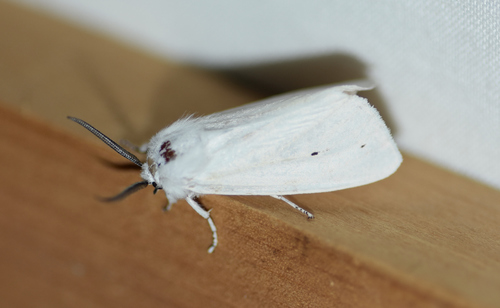
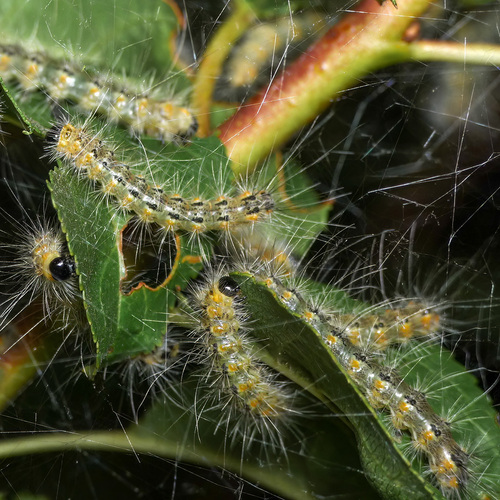
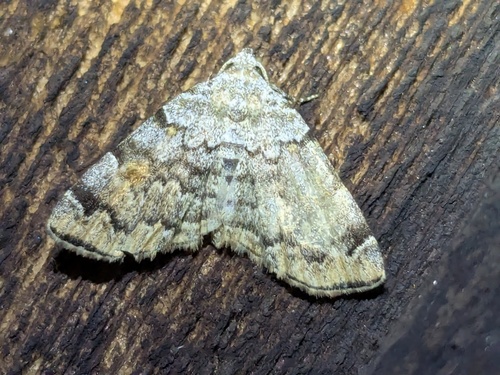
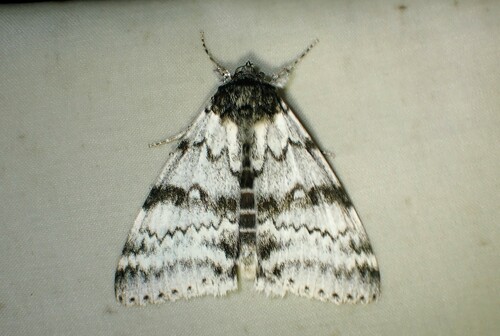
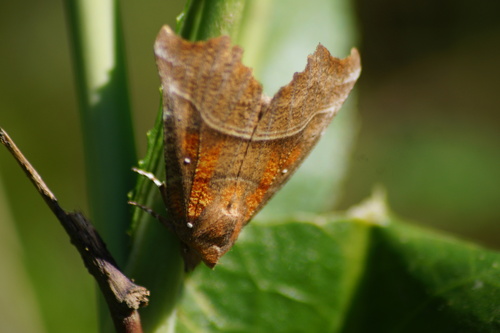
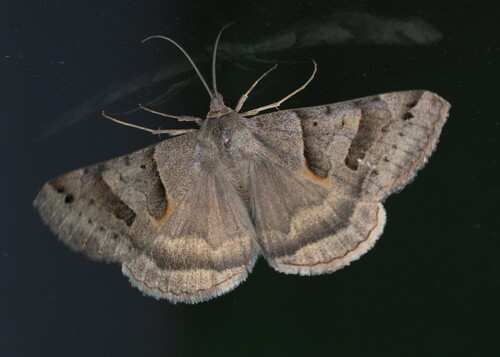
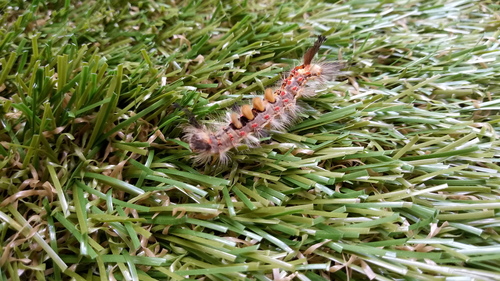
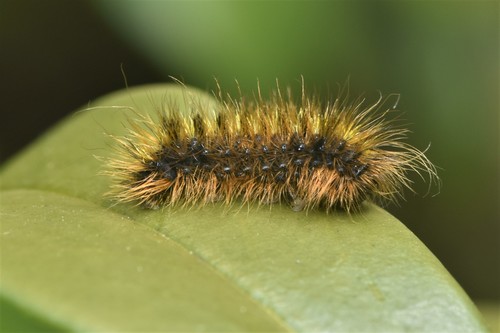
Caterpillars are brown or reddish-brown and very hairy, with bundles of black and yellow hairs along the back. The hairs on caterpillars and pupae can irritate human skin. Adult moths have brown forewings with silvery spots. There are light brown and dark brown variations. The spots are irregular, each outlined in black and aligned in loose rows. The hair-like scales on the head and thorax (dorsal tuft) have a unique pattern that can be useful in identification.

Original species description by Alpheus Packard in 1864: "Halesidota argentata n. sp. - [Female]. Head and thorax pale buff yellow. Base and side of the front walnut brown. Centre of prothoracic pieces brown. Patagia margined with brown, within very broadly so.

Primaries walnut brown, with five rows of large irregular round or ovate silver white spots, except the costal spots, which are buff yellow. Two basal spots yellow... Wikipedia →
Global Distribution

Parks Where Found

# Park Country Daily sighting probability
1 Redwood National Park 🇺🇸 United States
~30%
2 Grand Canyon National Park 🇺🇸 United States
~20%
3 Yosemite National Park 🇺🇸 United States
~20%
4 Great Bear Rainforest 🇨🇦 Canada
~20%
5 Olympic National Park 🇺🇸 United States
~10%
6 Pacific Rim National Park Reserve 🇨🇦 Canada
~10%

Cities Where Found

# City Country Daily sighting probability
1 Seattle 🇺🇸 United States
~10%
2 Vancouver 🇨🇦 Canada
~10%
3 Portland 🇺🇸 United States
<5%

Before you go

What are the chances of seeing a Silver-Spotted Tiger Moth in Portland?

Rare

Under 5% of wildlife watchers report a Silver-Spotted Tiger Moth sighting in Portland on a given day, based on 8 verified sightings from GBIF citizen-science data. It is the 378th most-seen of the 507 insects we can rate there. Over three days the chance rises to about 10%, and over a week to about 20%, if each day is a fresh chance.

When is the best time to see a Silver-Spotted Tiger Moth in Portland?

Any time of year

In every month with enough records, under 5% of wildlife watchers report a Silver-Spotted Tiger Moth in Portland on a given day, so our monthly data shows no clear season.

What time of day is best to see a Silver-Spotted Tiger Moth?

Between 8 and 11 am

Across all the parks we cover, that three-hour window holds the most Silver-Spotted Tiger Moth sightings with a recorded time, and about 9 in 10 of them come between 6 am and 6 pm: it is a daytime animal.

Is Portland the best place to see a Silver-Spotted Tiger Moth?

3rd of 3

Of the 3 cities where we can rate Silver-Spotted Tiger Moth sightings, Portland ranks 3rd at under 5%. The best odds are in Seattle (United States, about 10%) and Vancouver (Canada, about 10%).

Which relatives of the Silver-Spotted Tiger Moth live in Portland?

Same family: Erebidae

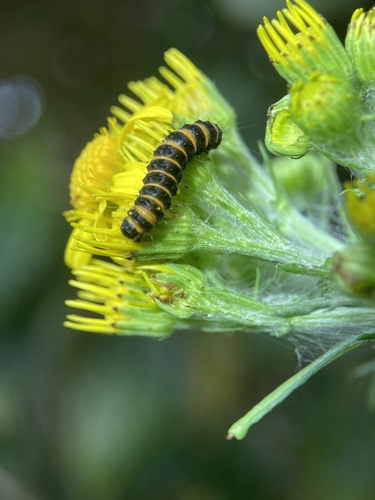
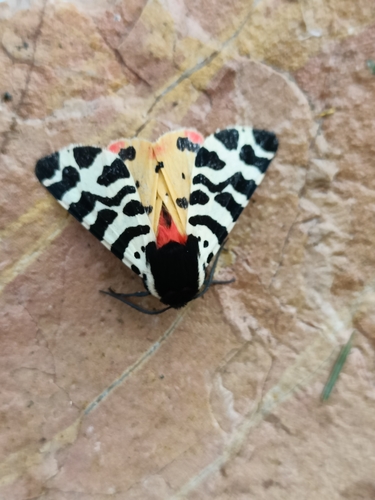
The closest relatives of the Silver-Spotted Tiger Moth that you can see in Portland (family Erebidae, Underwing, Tiger, Tussock, and Allied Moths) are Isabella Tiger Moth (about 20%), Cinnabar Moth (about 20%) and Arctia tigrina (about 10%), with each one's daily chance of a sighting.

Where does the Silver-Spotted Tiger Moth sighting chance come from?

GBIF citizen-science records

It is estimated from how often the Silver-Spotted Tiger Moth is recorded against all the insects logged in Portland (8 verified sightings), calibrated against known sighting rates. Figures are rounded to the nearest 10% because citizen-science data supports honest approximations, not decimals, and months with records from fewer than five people show "—". How it works.

← Back to Portland