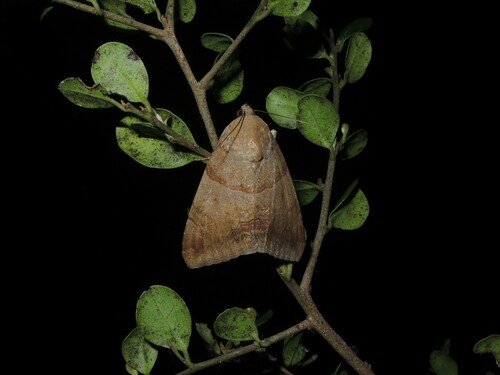
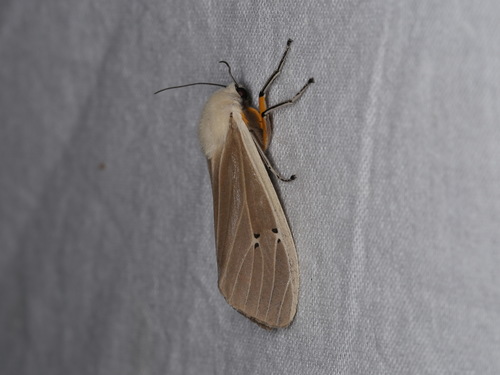
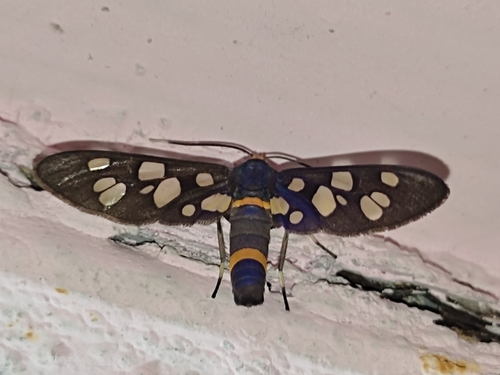
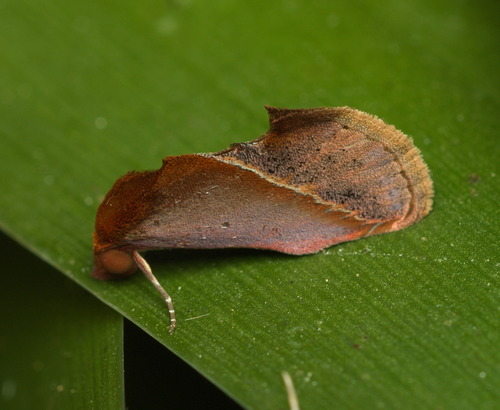
Euproctis lunata
Daily sighting probability ~10% · With luck
at Pune

In 3 days ~20% in a week ~30%

18 Verified sightings at Pune
November Best month

About the Euproctis lunata

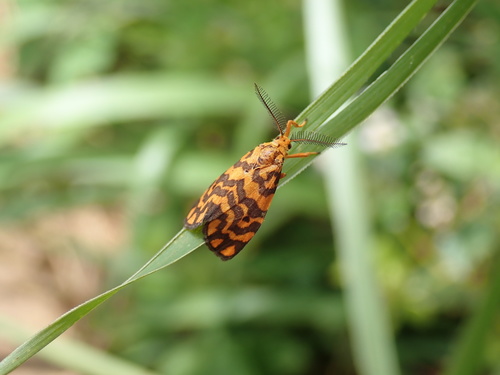
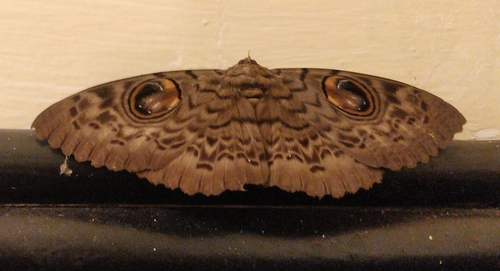
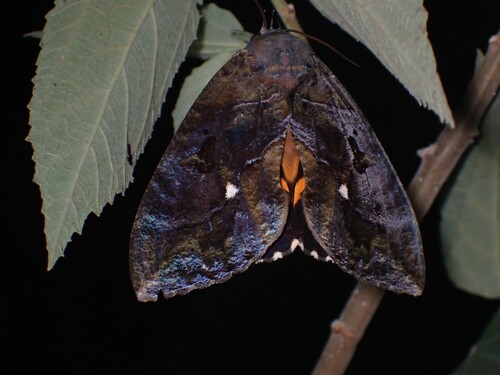
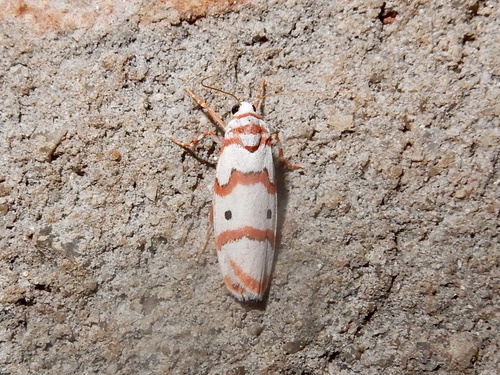
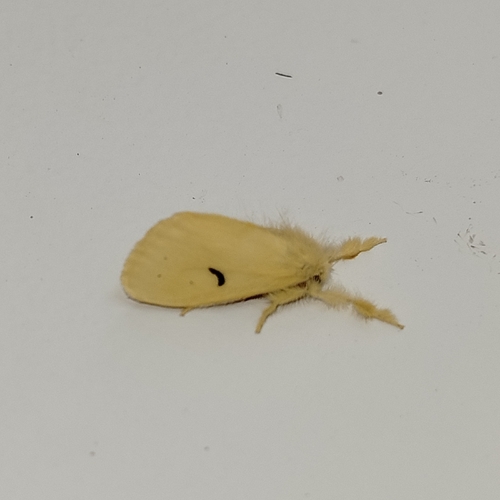
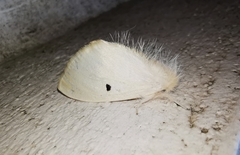
Euproctis lunata, the castor hairy caterpillar, is a moth of the family Erebidae. The species was first described by Francis Walker in 1855. It is found in India, Pakistan, Sri Lanka and Thailand. The wingspan of the male is 30–32 mm and the female's wingspan is 35–37 mm. Antennae of male bipectinate (comb like on both sides) whereas female has filiform (thread-like) antennae. Male is about 10–12 mm in length and female is 12–14 mm in length. Pupa light reddish brown.

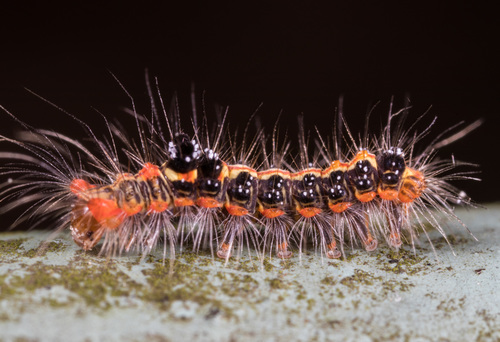
The caterpillar is known to feed on Ricinus communis, Acacia nilotica, Tamarindus indica, Nerium oleander, Chrysanthemum, Moringa oleifera, Ziziphus mauritiana, Cinnamomum camphora, Terminalia tomentosa, Erythrina fusca, Erythrina variegata, Eugenia, Mangifera indica, Manihot esculenta, Morus, Pithecellobium dulce, Sesbania grandiflora, Terminalia tomentosa, Ziziphus jujuba and Ziziphus mauritiana. and recently from Sesbania sesban.

During February and March 2002, a severe outbreak of castor hairy caterpillar was observed on acacia trees in Thailakulam, Virudhunagar, Tamil Nadu, India. Larval swarms persisted for 10 to 15 days in vegetation and were a nuisance to the environment and surrounding villages... Wikipedia →
Global Distribution

Parks Where Found

# Park Country Daily sighting probability

More parks will be added in future updates.

Cities Where Found

# City Country Daily sighting probability
1 Pune 🇮🇳 India
~10%

Before you go

What are the chances of seeing a Euproctis lunata in Pune?

With luck

About 10% of wildlife watchers report a Euproctis lunata sighting in Pune on a given day, based on 18 verified sightings from GBIF citizen-science data. It is the 177th most-seen of the 340 insects we can rate there. Over three days the chance rises to about 20%, and over a week to about 30%, if each day is a fresh chance.

When is the best time to see a Euproctis lunata in Pune?

November

In that month about 20% of wildlife watchers report a Euproctis lunata in Pune on a given day, against under 5% in February–June and August–September, the lowest months. That is one of Pune's driest months, with about 20 mm of rain against 520 mm in July.

Where else can you see a Euproctis lunata?

Only Pune, in our data

Pune is the only city on Wallace's Line with enough records to rate Euproctis lunata sightings: about 10% of wildlife watchers there report one on a given day.

Which relatives of the Euproctis lunata live in Pune?

Same family: Erebidae

The closest relatives of the Euproctis lunata that you can see in Pune (family Erebidae, Underwing, Tiger, Tussock, and Allied Moths) are Footman Moth (about 10%), Handmaiden Moth (about 10%) and Sandalwood Defoliator (about 10%), with each one's daily chance of a sighting.

Where does the Euproctis lunata sighting chance come from?

GBIF citizen-science records

It is estimated from how often the Euproctis lunata is recorded against all the insects logged in Pune (18 verified sightings), calibrated against known sighting rates. Figures are rounded to the nearest 10% because citizen-science data supports honest approximations, not decimals, and months with records from fewer than five people show "—". How it works.

← Back to Pune