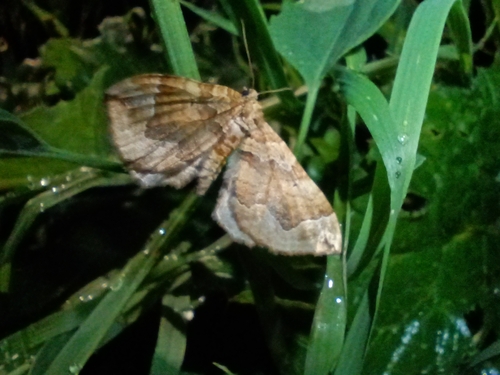
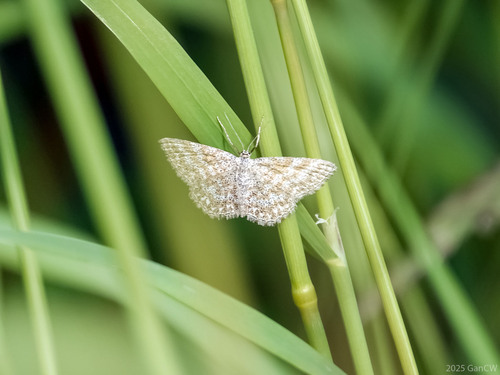
Scarce Umber Moth

Scarce Umber Moth

Agriopis aurantiaria

Daily sighting probability <5% · Rare
at Saint Petersburg

In 3 days ~10% in a week ~20%

6 Verified sightings at Saint Petersburg
October Best month

About the Scarce Umber Moth

Agriopis aurantiaria, the scarce umber, is a moth of the family Geometridae. It was first described by Jacob Hübner in 1799 and it is found throughout Europe from Spain through Central Europe to Russia. In the south it can be found from the western Mediterranean to the Black Sea and the Caucasus. Its northern distribution reaches as far as central Fennoscandia. The species can be found in many different places, including deciduous forests, orchards, gardens as well as parks and settlement areas.

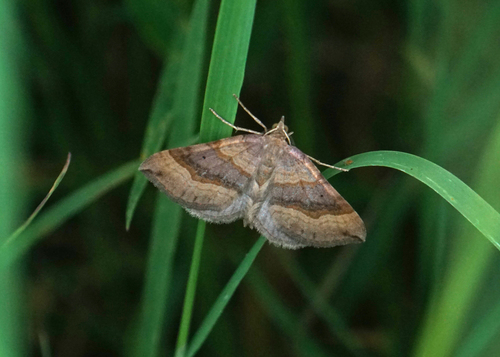
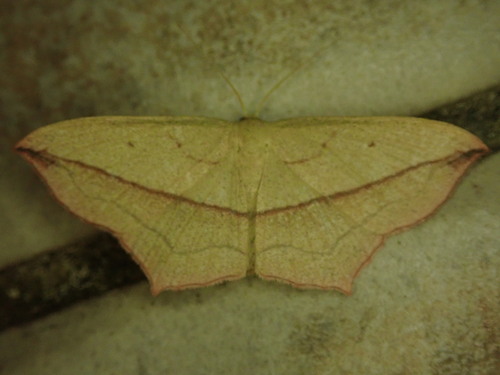
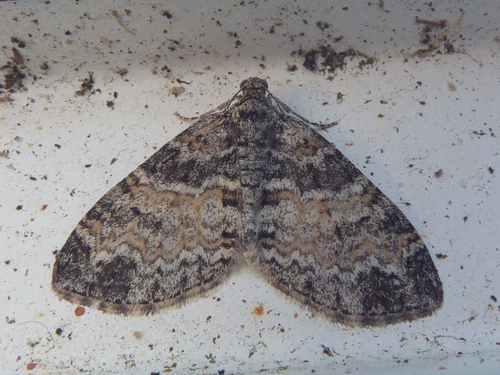
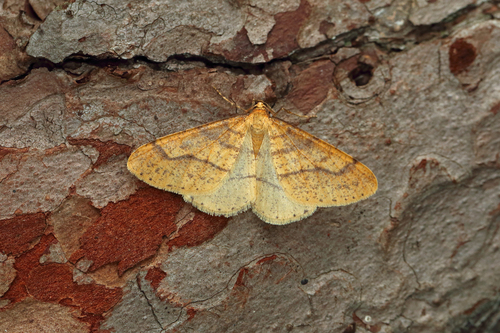
The wingspan is 27–35 mm. There is a strong sexual dimorphism. The males have normally developed wings. The forewings are dark golden yellow or orange yellow to light brown and dusted with many black scales. There are three brown-grey transverse bands the outermost broken. Sometimes there are large black patches in the postdiscal area. The hindwings have the same basic colour as the forewings, but are however always paler with two thin, dark lines. The antennae are double saw combed. The male differs from its congeners in its

bright golden-brown colour. Forma include — ab. fumipennaria Heilweger. Forewing infuscated (violet -brown), only the fringe yellow; hindwing also more or less smoky. male-ab. fasciata Linstoiv has a dark band distally to the postmedian line.

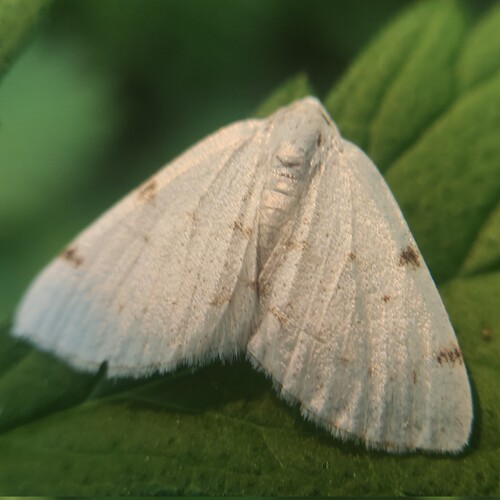
The flightless females have almost entirely vestigial wings, a clumsy body, tapering at the end of body shape and are grey brown. The stub wings have are grey with two black crosses. The egg is flattened at one end, longitudinally ribbed and purplish.

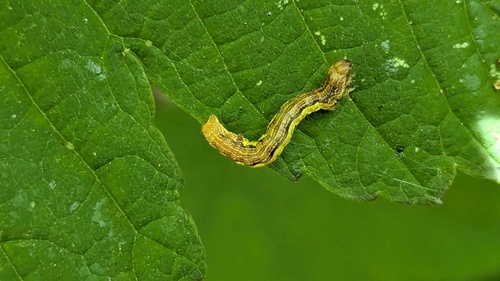
The caterpillar is yellowish, inclining to ochreous, lined with brown on the back, and striped with purplish on the sides. The underside is dark purplish brown, inclining to blackish, and striped with yellowish. Adults are on wing from October to November.

The larvae feed on various deciduous trees, including Betula, Quercus robur, Sorbus aucuparia, Rosa and Prunus padus. Wikipedia →

Global Distribution

Parks Where Found

# Park Country Daily sighting probability

More parks will be added in future updates.

Cities Where Found

# City Country Daily sighting probability
1 Helsinki 🇫🇮 Finland
~10%
2 Kyiv 🇺🇦 Ukraine
<5%
3 Prague 🇨🇿 Czechia
<5%
4 Berlin 🇩🇪 Germany
<5%
5 London 🇬🇧 United Kingdom
<5%
6 Vienna 🇦🇹 Austria
<5%
7 Saint Petersburg 🇷🇺 Russia
<5%

Before you go

What are the chances of seeing a Scarce Umber Moth in Saint Petersburg?

Rare

Under 5% of wildlife watchers report a Scarce Umber Moth sighting in Saint Petersburg on a given day, based on 6 verified sightings from GBIF citizen-science data. It is the 332nd most-seen of the 448 insects we can rate there. Over three days the chance rises to about 10%, and over a week to about 20%, if each day is a fresh chance.

When is the best time to see a Scarce Umber Moth in Saint Petersburg?

October

In that month about 10% of wildlife watchers report a Scarce Umber Moth in Saint Petersburg on a given day, against under 5% in November to September, the lowest months.

Is Saint Petersburg the best place to see a Scarce Umber Moth?

7th of 7

Of the 7 cities where we can rate Scarce Umber Moth sightings, Saint Petersburg ranks 7th at under 5%. The best odds are in Helsinki (Finland, about 10%), Kyiv (Ukraine, under 5%) and Prague (Czechia, under 5%).

Where does the Scarce Umber Moth sighting chance come from?

GBIF citizen-science records

It is estimated from how often the Scarce Umber Moth is recorded against all the insects logged in Saint Petersburg (6 verified sightings), calibrated against known sighting rates. Figures are rounded to the nearest 10% because citizen-science data supports honest approximations, not decimals, and months with records from fewer than five people show "—". How it works.

← Back to Saint Petersburg