Harlequin Bug

Harlequin Bug

Murgantia histrionica

Daily sighting probability <5% · Rare
at San Antonio

In 3 days ~10% in a week ~30%

31 Verified sightings at San Antonio
33 In all 3 parks From 2019 to 2026
April Best month
☀️ Diurnal When it's spotted

About the Harlequin Bug

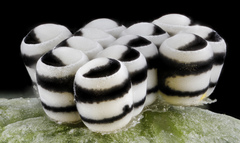
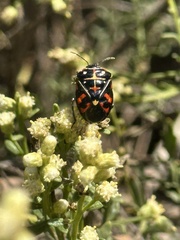
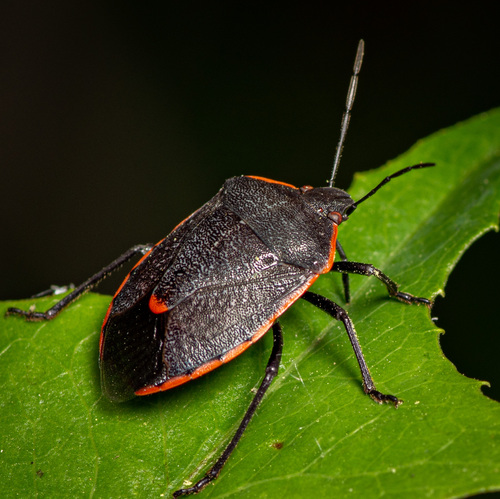
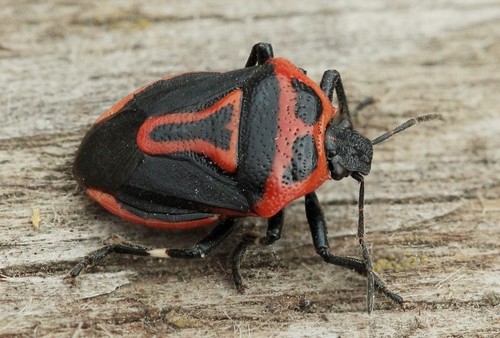
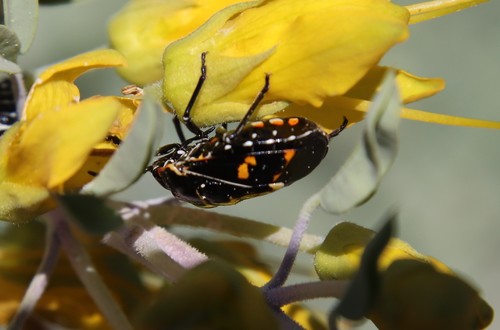
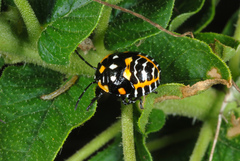
The harlequin cabbage bug (Murgantia histrionica), also known as calico bug, fire bug or harlequin bug, is a black stinkbug of the family Pentatomidae, brilliantly marked with red, orange, yellow and white markings. It is a major pest of cabbage and related crops in the Brassicaceae, as well as the ornamental flower cleome throughout tropical and North America, especially the warmer parts of the United States. Nymphs are active during the summer and in the tropics the bug can achieve three to six generations a year. In the northern range there is only one generation annually and the insects overwinter as adults in crop residues or field edges. Organic control involves hand-picking the insects off the plants (they can be dropped into soapy water to drown them) and being especially careful to remove and destroy all the eggs, which are black-and-white striped, laid in clutches of twelve.

Harlequin bugs are phytophagous insects. Adults and nymphs feed on the stems and leaves of plants such as cabbage, broccoli, kale, turnip, radish, horseradish, mustard and rapeseed, and often cause blotching by their piercing-sucking feeding. These plants are economically... Wikipedia →
Global Distribution

Parks Where Found

# Park Country Daily sighting probability
1 Joshua Tree National Park 🇺🇸 United States
~10%
2 Shenandoah National Park 🇺🇸 United States
~10%
3 Yosemite National Park 🇺🇸 United States
<5%

Cities Where Found

# City Country Daily sighting probability
1 San Diego 🇺🇸 United States
~10%
2 Sacramento 🇺🇸 United States
~10%
3 Los Angeles 🇺🇸 United States
~10%
4 Baltimore 🇺🇸 United States
~10%
5 Philadelphia 🇺🇸 United States
~10%
6 Mexico City 🇲🇽 México
~10%
7 Denver 🇺🇸 United States
~10%
8 Washington 🇺🇸 United States
~10%
9 Austin 🇺🇸 United States
~10%
10 Dallas 🇺🇸 United States
<5%

Before you go

What are the chances of seeing a Harlequin Bug in San Antonio?

Rare

Under 5% of wildlife watchers report a Harlequin Bug sighting in San Antonio on a given day, based on 31 verified sightings from GBIF citizen-science data. It is the 243rd most-seen of the 697 insects we can rate there. Over three days the chance rises to about 10%, and over a week to about 30%, if each day is a fresh chance.

When is the best time to see a Harlequin Bug in San Antonio?

April to June

In those months about 10% of wildlife watchers report a Harlequin Bug in San Antonio on a given day, against under 5% in July to March, the lowest months.

What time of day is best to see a Harlequin Bug?

Between 10 am and 1 pm

Across all the parks we cover, that three-hour window holds the most Harlequin Bug sightings with a recorded time, and about 8 in 10 of them come between 6 am and 6 pm: it is a daytime animal.

Is San Antonio the best place to see a Harlequin Bug?

11th of 14

Of the 14 cities where we can rate Harlequin Bug sightings, San Antonio ranks 11th at under 5%. The best odds are in San Diego (United States, about 10%), Sacramento (United States, about 10%) and Los Angeles (United States, about 10%).

Which relatives of the Harlequin Bug live in San Antonio?

Same family: Pentatomidae

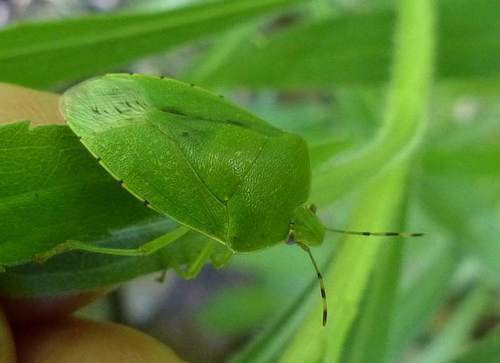
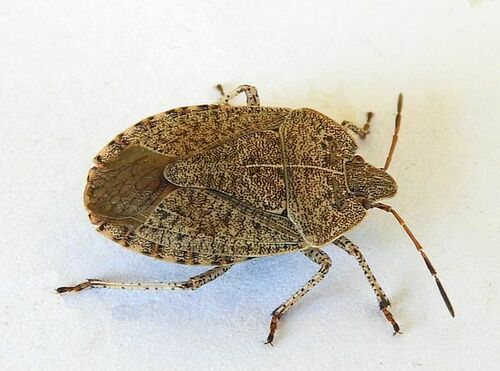
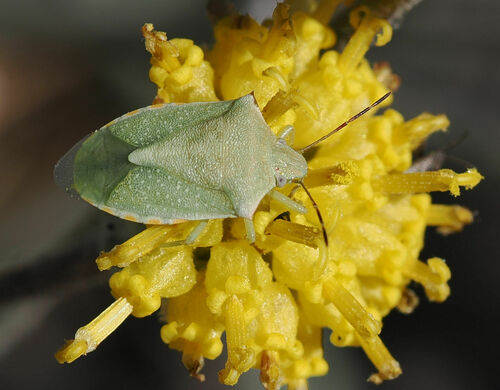
The closest relatives of the Harlequin Bug that you can see in San Antonio (family Pentatomidae, Stink Bugs) are Green Stink Bug (about 10%), Elf Shoe Stink Bug (about 10%) and Conchuela Bug (about 10%), with each one's daily chance of a sighting.

Where does the Harlequin Bug sighting chance come from?

GBIF citizen-science records

It is estimated from how often the Harlequin Bug is recorded against all the insects logged in San Antonio (31 verified sightings), calibrated against known sighting rates. Figures are rounded to the nearest 10% because citizen-science data supports honest approximations, not decimals, and months with records from fewer than five people show "—". How it works.

← Back to San Antonio