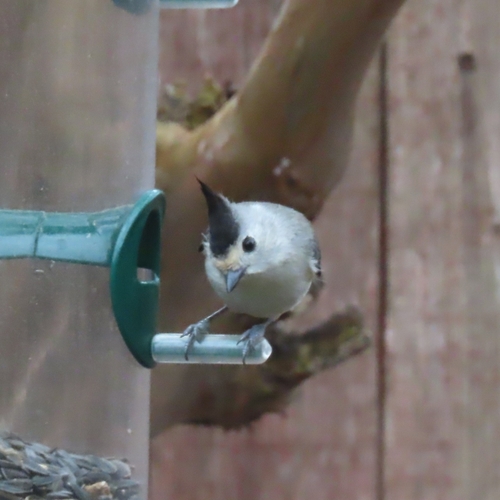





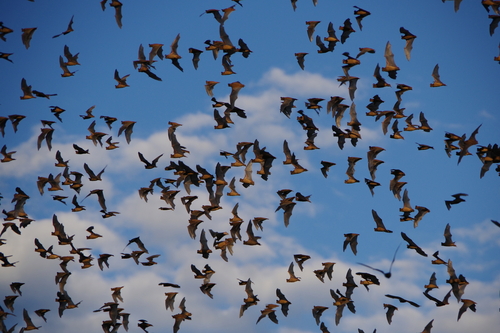


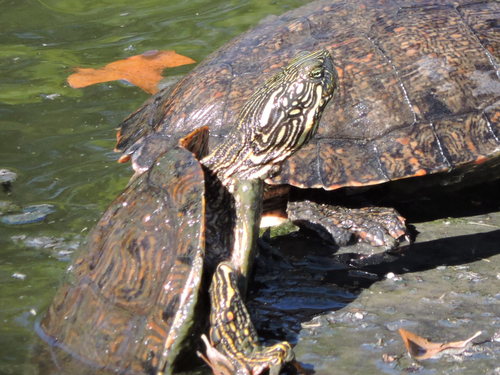


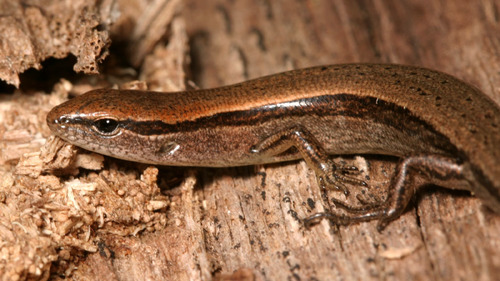


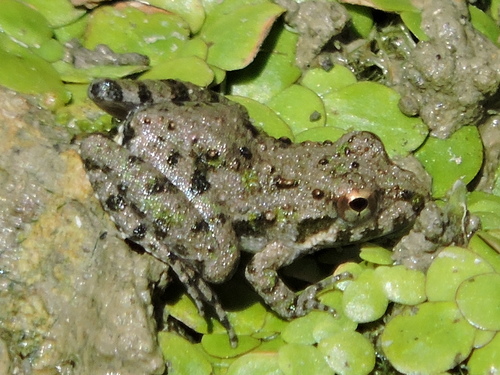


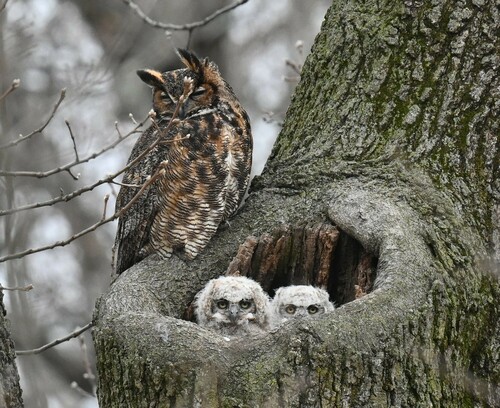


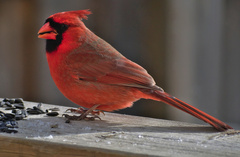


All 4 in 3 days here: ~30%
City
San Antonio
🇺🇸 United States
North America, United States 409 spp. recorded
San Antonio is a city in the southern part of the U.S. It is the seventh-most populous city in the United States, the second-most populous city in Texas, and the second-most populous city in the Southern U.S.. It is the county seat of Bexar County. Wikipedia
29.459° N 98.503° W
🦜 Nature

409 Species sighted
224,900 Verified sightings From 2019 to 2026
May Best month
⭐ Iconic Species
📊 Most Spotted
⭐ Iconic Species
📊 Most Spotted
⭐ Iconic Species
📊 Most Spotted
📊 Most Spotted
📊 Most Spotted

LC
 Cope's Gray Tree Frog
Dryophytes chrysoscelis

LC
Squirrel Tree Frog
Dryophytes squirellus

LC
Western Slimy Salamander
Plethodon albagula
📊 Most Spotted
🌙 Most active after dark

LC
 Red Fox
Vulpes vulpes
Challenges you can complete here

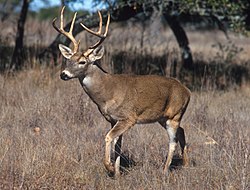


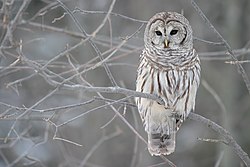
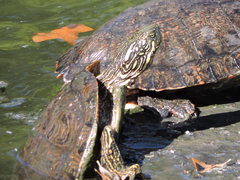
All 4 in 3 days here: <5%
Recent sightings in San Antonio
LIVEiNaturalistWhere to look
Warmer areas are where all species together are recorded most often.
-
San Antonio Botanical Garden
-
Brackenridge Park (Avenue A & River Rd.)
-
Buddy Calk Trailhead/Earl Scott Pond area
-
San Antonio Riverwalk area
-
Huebner Creek Greenway
-
Brackenridge Park · Joske Pavilion & Lambert Beach
-
Olmos Basin Park · Judson Nature Trails
-
Hardberger Park · West






Sighting Calendar
How many species you'd see in a day
36Jan
37Feb
46Mar
59Apr
62May
59Jun
57Jul
58Aug
57Sep
58Oct
56Nov
47Dec
🏙️ City
Essentials
Green cover
Medium
Protected land
0.7%
Protected sea
—
Protected areas
6
areasWildlife spots
12
spotsZoos & centres
4
placesClimate
Humid subtropical
Climate
Temp °C Rain mm
JanFebMarAprMayJunJulAugSepOctNovDec


0.0 World-class
Wallace's Line Score
How good is this city for seeing wildlife? 🦜
Biodiversity
ExcellentHow rich is the wildlife?
5.0
Species by taxon
🦅 Birds 462
🐒 Mammals 92
🦎 Reptiles 110
🐸 Amphibians 42
706 Total Species
679 Global average across 380 cities
24 Threatened 26 Endemic
🔭
Sighting
Very goodHow likely to see animals?
4.3
🎯
Top-12 Avg Probability
67% 📊
Coverage (115 species at ≥5% of 706 in the inventory)
16% 🔀
Taxon variety in top 12 (10 bird, 1 mammal, 1 reptile)
39% 🌟
Iconic-group species (≥15%) (every species from the 19 iconic groups — monkeys, cats, toucans, macaws, sloths, crocodilians… — not just the 4 highlighted above)
3 ⭐
High-prob species (>40%)
17 🏕️
Experience
Very goodHow easy and pleasant is the visit?
3.8
Climate Mixed Medium
Green cover Medium Medium
Protected land & sea 0.7% land Low
Protected areas 6 High
Wildlife spots 12 High
Zoos & centres 4 High
What visitors say
Before you go
What animals can you see in San Antonio?
409 species
San Antonio's urban area has 409 recorded vertebrate species. The ones wildlife watchers report most often on a given day are Northern Cardinal (about 90%), White-winged Dove (about 80%), Carolina Wren (about 80%), Northern Mockingbird (about 80%) and Fox Squirrel (about 70%). Among reptiles, the most-seen is Green Anole (about 50%); among amphibians, Gulf Coast Toad (about 30%).
When is the best time to see wildlife in San Antonio?
February–June and August–November
In those months the city's 12 most-seen species average about 70% on a given day, against about 60% in July and December–January.
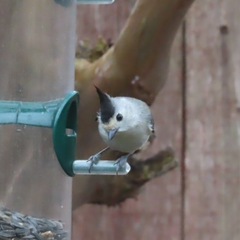
Can you see a Black-crested Titmouse in San Antonio?
Yes
About 60% of wildlife watchers report a Black-crested Titmouse sighting in San Antonio on a given day, based on 6,313 verified sightings from GBIF citizen-science data from 2019 to 2026. The best time is January, May, August–September and November (about 70%).
Can you see a Carolina Wren in San Antonio?
Yes
About 80% of wildlife watchers report a Carolina Wren sighting in San Antonio on a given day, based on 8,086 verified sightings from GBIF citizen-science data from 2019 to 2026. The best time is August and September (about 90%).
Can you see a Northern Cardinal in San Antonio?
Yes
About 90% of wildlife watchers report a Northern Cardinal sighting in San Antonio on a given day, based on 10,830 verified sightings from GBIF citizen-science data from 2019 to 2026. The best time is August to June (about 90%).
Where in San Antonio is wildlife easiest to see?
San Antonio Botanical Garden
The spot where most wildlife watchers record their sightings is San Antonio Botanical Garden (203 bird species recorded), followed by Brackenridge Park (Avenue A & River Rd.) and Buddy Calk Trailhead/Earl Scott Pond area. See them on the map.
Is San Antonio good for wildlife watching?
4.5 out of 5
On the Wallace's Line Score, which rates each city against other cities, San Antonio gets 4.5/5: 98th of 380 cities worldwide and 9th in North America. 20 of its species are reported by about 40% or more of wildlife watchers on a given day.
Nearest Cities


Nearest Parks


Nearest Zoos & Centres
Sources: urban area GHSL Urban Centre Database R2024A, European Commission JRC (CC BY 4.0) · protected land WDPA, UNEP-WCMC & IUCN (via GHSL) · climate NASA POWER · wildlife GBIF.org citizen-science data