About the Pharaoh Ant
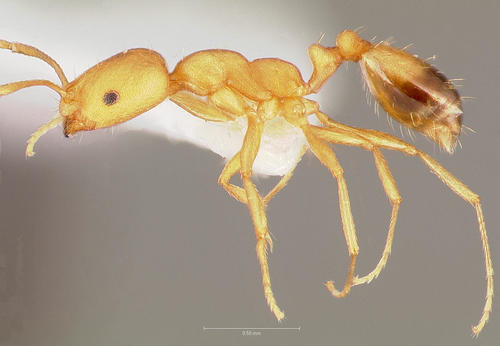
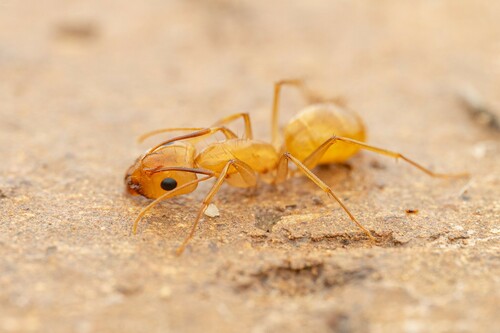
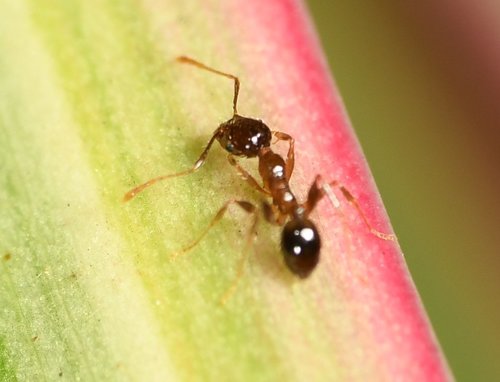
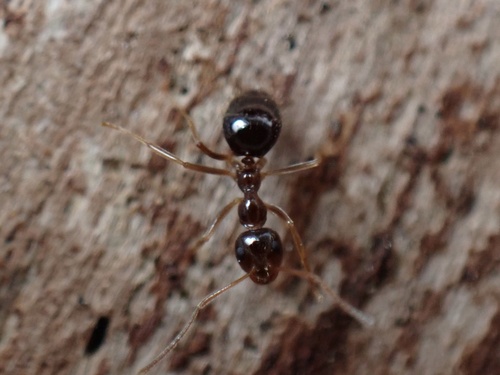
The pharaoh ant (Monomorium pharaonis) is a small (2 mm) yellow or light brown, almost transparent ant notorious for being a major indoor nuisance pest, especially in hospitals. A cryptogenic species, it has now been introduced to virtually every area of the world, including Europe, the Americas, Australasia and Southeast Asia. It is a major pest in the United States, Australia, and Europe. The ant's common name is possibly derived from the belief that it was one of the Egyptian (pharaonic) plagues.
This species is polygynous—each colony contains many queens—leading to unique caste interactions and colony dynamics. This also allows the colony to fragment into bud colonies quickly. Pharaoh ants are a tropical species, but they also thrive in buildings almost anywhere, even in temperate regions provided central heating is present.
Pharaoh workers are about 2.9–4.5 millimetres (3⁄16 in) long. They are light yellow to reddish brown in color with a darker abdomen. Pharaoh ant workers have a non-functional stinger used to generate pheromones. The petiole (narrow waist between the thorax and abdomen) has two nodes and the thorax has no spines. Pharaoh ant eyesight... Wikipedia →