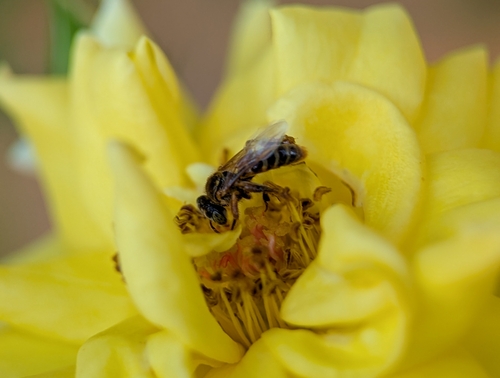
Brazilian Robust-Stingless Bee

Brazilian Robust-Stingless Bee

Scaptotrigona postica

Daily sighting probability ~10% · With luck
at São Paulo

In 3 days ~20% in a week ~30%

50 Verified sightings at São Paulo
10 In 1 park From 2019 to 2026
May Best month
☀️ Diurnal When it's spotted

About the Brazilian Robust-Stingless Bee

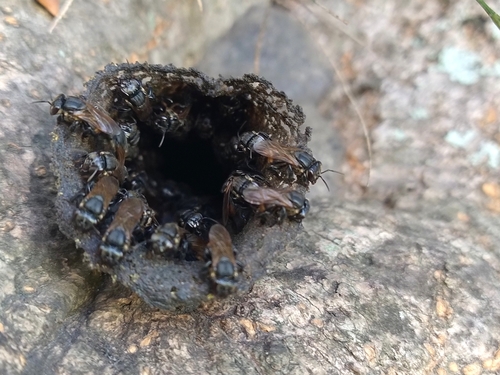
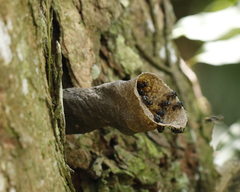
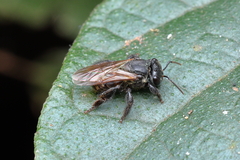
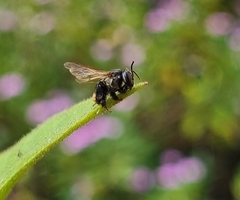
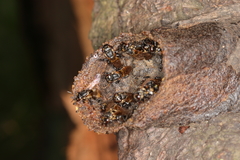
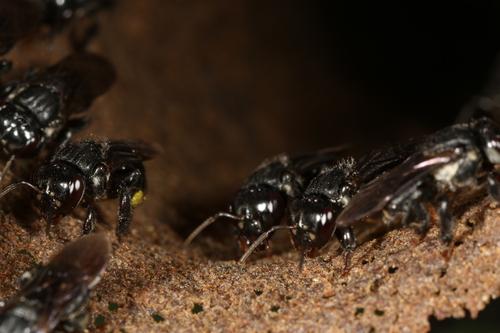
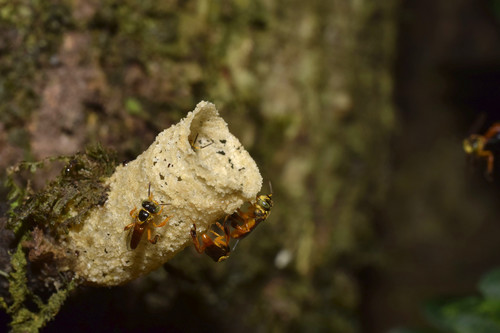
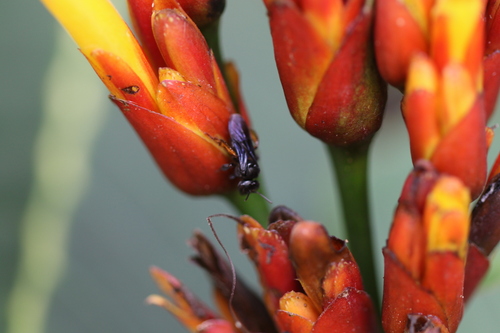
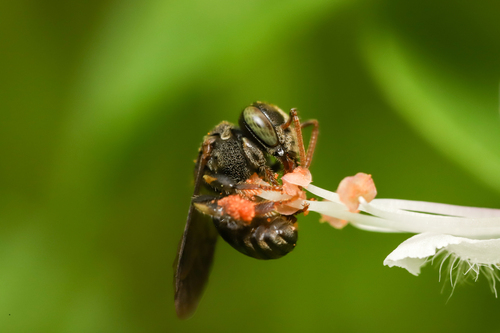
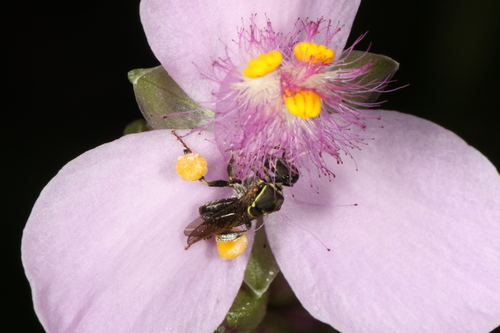
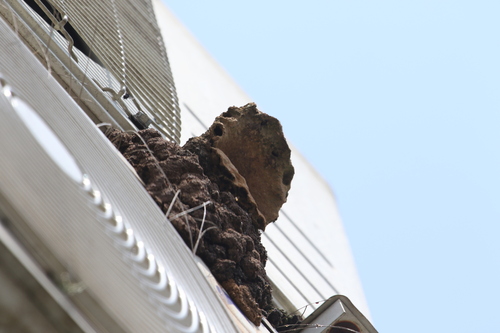
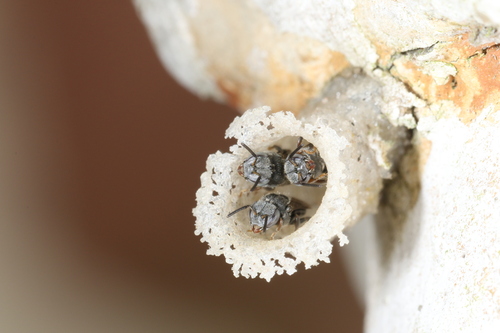
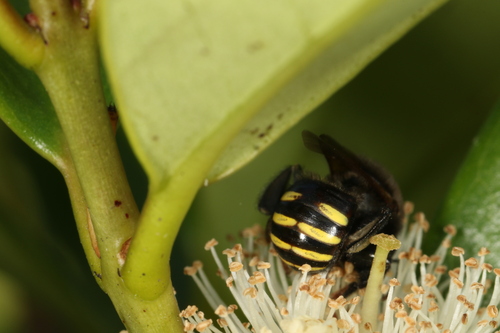
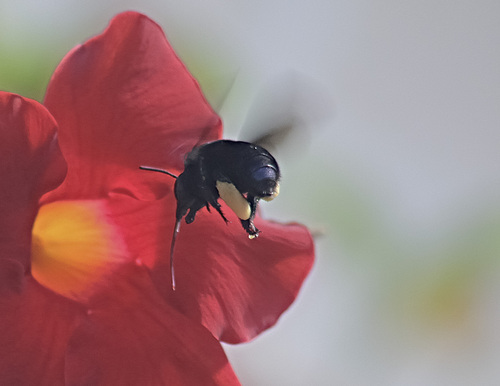
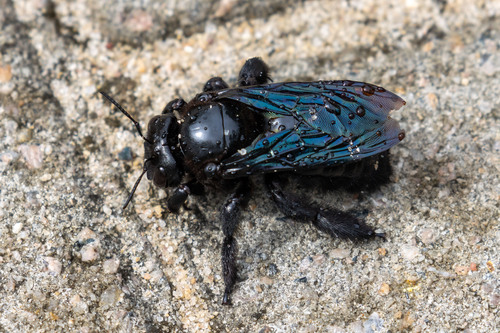
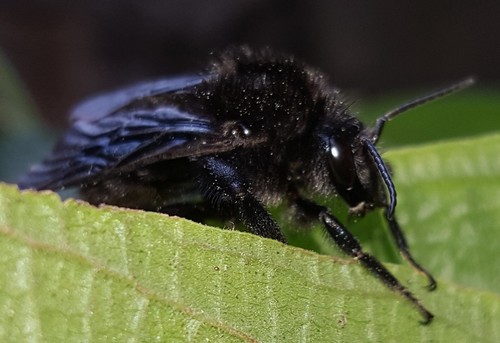
Scaptotrigona postica (also known locally in Brazil as mandaguari) is a species of stingless bee that lives mainly in Brazil. It is a eusocial bee in the tribe Meliponini. S. postica is one of 25 species in the genus Scaptotrigona and is a critical pollinator of the tropical rain forests of Brazil. They construct their nests in hollowed sections of tree trunks, allowing for effective guarding at the nest entrance. This species shows colony structure similar to most members of the Meliponini tribe with three roles within the colony: queen, worker, and male. S. postica individuals have different forms of communication, from cuticular hydrocarbons to pheromones and scent trails. Communication is especially useful during worker foraging for nectar and pollen through the Brazilian tropical rainforests. S. postica is a very important pollinator of the Brazilian tropical rainforests and is widely appreciated for its honey. Stingless bees account for approximately 30% of all pollination of the Brazilian Caatinga and Pantanal ecosystems and up to 90% of the pollination for many species of the Brazilian Atlantic Forest and the Amazon.

Scaptotrigona postica is one... Wikipedia →

Global Distribution

Parks Where Found

# Park Country Daily sighting probability
1 Serra dos Órgãos National Park 🇧🇷 Brazil
~20%

More parks will be added in future updates.

Cities Where Found

# City Country Daily sighting probability
1 Salvador 🇧🇷 Brazil
~10%
2 Brasilia 🇧🇷 Brazil
~10%
3 São Paulo 🇧🇷 Brazil
~10%
4 Rio de Janeiro 🇧🇷 Brazil
<5%

Before you go

What are the chances of seeing a Brazilian Robust-Stingless Bee in São Paulo?

With luck

About 10% of wildlife watchers report a Brazilian Robust-Stingless Bee sighting in São Paulo on a given day, based on 50 verified sightings from GBIF citizen-science data. It is the 157th most-seen of the 832 insects we can rate there. Over three days the chance rises to about 20%, and over a week to about 30%, if each day is a fresh chance.

When is the best time to see a Brazilian Robust-Stingless Bee in São Paulo?

January–February, May–June and August–October

In those months about 10% of wildlife watchers report a Brazilian Robust-Stingless Bee in São Paulo on a given day, against under 5% in March–April, July and November–December, the lowest months.

What time of day is best to see a Brazilian Robust-Stingless Bee?

Between 9 am and noon

Across all the parks we cover, that three-hour window holds the most Brazilian Robust-Stingless Bee sightings with a recorded time, and about 8 in 10 of them come between 6 am and 6 pm: it is a daytime animal.

Is São Paulo the best place to see a Brazilian Robust-Stingless Bee?

Among the best

Of the 4 cities where we can rate Brazilian Robust-Stingless Bee sightings, São Paulo ranks 3rd at about 10%, level with the leaders once rounded. The best odds are in Salvador (Brazil, about 10%) and Brasilia (Brazil, about 10%).

Where does the Brazilian Robust-Stingless Bee sighting chance come from?

GBIF citizen-science records

It is estimated from how often the Brazilian Robust-Stingless Bee is recorded against all the insects logged in São Paulo (50 verified sightings), calibrated against known sighting rates. Figures are rounded to the nearest 10% because citizen-science data supports honest approximations, not decimals, and months with records from fewer than five people show "—". How it works.

← Back to São Paulo