











All 5 in 3 days here: ~50%
City
Brasilia
🇧🇷 Brazil
South America, Brazil 296 spp. recorded
Brasília is the capital city of Brazil and the Federal District. Brasília is Brazil's third-most populous city after São Paulo and Rio de Janeiro. Among major Latin American cities, it has the highest GDP per capita. Wikipedia
15.832° S 48.025° W
🦜 Nature

296 Species sighted
21,215 Verified sightings From 2019 to 2026
Oct Best month
⭐ Iconic Species
📊 Most Spotted
📊 Most Spotted

LC
 Lesser Long-nosed Armadillo
Dasypus septemcinctus

LC
Brown Rat
Rattus norvegicus

LC
 Seba's Short-tailed Bat
Carollia perspicillata

LC
 South American Coati
Nasua nasua

LC
 Crab-eating Raccoon
Procyon cancrivorus
LC
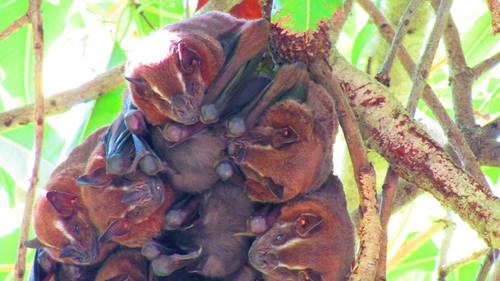
 Great Fruit-eating Bat
Artibeus lituratus

LC
 Crab-eating Fox
Cerdocyon thous

 Long-tailed Porcupine
Coendou longicaudatus
⭐ Iconic Species
📊 Most Spotted
📊 Most Spotted

LC
 Pond Slider
Trachemys scripta
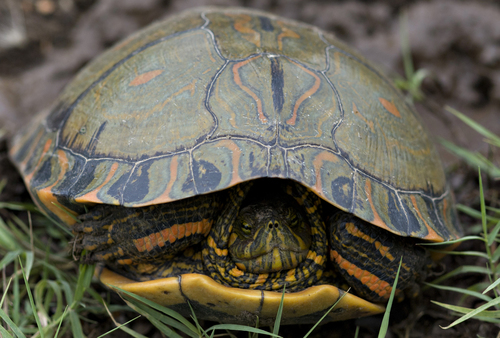
Black-bellied Slider
Trachemys dorbigni

LC
 Common Caiman
Caiman crocodilus

LC
 Neotropical Rattlesnake
Crotalus durissus
📊 Most Spotted

LC
 Pepper Frog
Leptodactylus labyrinthicus

LC
 Yellow-spotted Tree Frog
Boana albopunctata

LC
 Fuscous-blotched Snouted Tree Frog
Scinax fuscovarius

LC
Mustached Frog
Leptodactylus mystacinus

LC
 Cuvier’s Foam Frog
Physalaemus cuvieri

LC
Dwarf Tree Frog
Dendropsophus nanus

LC
 Boettger's Caecilian
Siphonops paulensis

LC
White-Spotted Humming Frog
Chiasmocleis albopunctata
📊 Most Spotted
🌙 Most active after dark
LC
Pepper Frog
Leptodactylus labyrinthicus
LC
Yellow-spotted Tree Frog
Boana albopunctata
LC
Fuscous-blotched Snouted Tree Frog
Scinax fuscovarius
LC
Seba's Short-tailed Bat
Carollia perspicillata
LC
Dwarf Tree Frog
Dendropsophus nanus
LC
Crab-eating Fox
Cerdocyon thous

LC
Chaco Tree Frog
Boana raniceps
Challenges you can complete here
Recent sightings in Brasilia
LIVEiNaturalistWhere to look
Warmer areas are where all species together are recorded most often.
-
Parque da Cidade Sarah Kubitschek
-
Parque Ecológico de Águas Claras
-
Zoológico de Brasília




Sighting Calendar
How many species you'd see in a day
29Jan
31Feb
28Mar
25Apr
29May
27Jun
28Jul
28Aug
27Sep
32Oct
30Nov
29Dec
🏙️ City
Essentials
Green cover
Low
Protected land
32%
Protected sea
—
Protected areas
11
areasWildlife spots
3
spotsZoos & centres
1
placesClimate
Tropical savanna
World Heritage
No
Climate
Temp °C Rain mm
JanFebMarAprMayJunJulAugSepOctNovDec
Zoos & rescue centres

0.0 World-class
Wallace's Line Score
How good is this city for seeing wildlife? 🦜
Biodiversity
ExcellentHow rich is the wildlife?
5.0
Species by taxon
🦅 Birds 523
🐒 Mammals 176
🦎 Reptiles 169
🐸 Amphibians 85
953 Total Species
679 Global average across 380 cities
32 Threatened 42 Endemic
🔭
Sighting
Very goodHow likely to see animals?
4.3
🎯
Top-12 Avg Probability
73% 📊
Coverage (91 species at ≥5% of 953 in the inventory)
10% 🔀
Taxon variety in top 12 (12 bird)
0% 🌟
Iconic-group species (≥15%) (every species from the 19 iconic groups — monkeys, cats, toucans, macaws, sloths, crocodilians… — not just the 4 highlighted above)
4 ⭐
High-prob species (>40%)
18 🏕️
Experience
ExcellentHow easy and pleasant is the visit?
4.2
Climate Pleasant High
Green cover Low Low
Protected land & sea 32% land High
Protected areas 11 High
Wildlife spots 3 Medium
Zoos & centres 1 Medium
What visitors say
Before you go
What animals can you see in Brasilia?
296 species
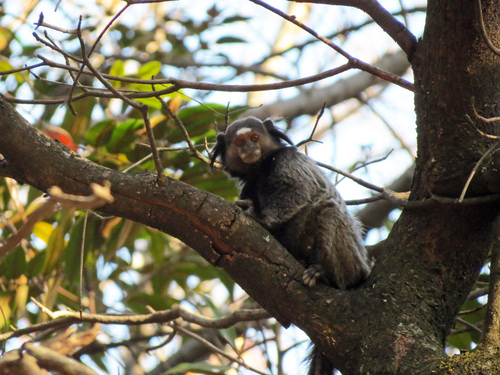
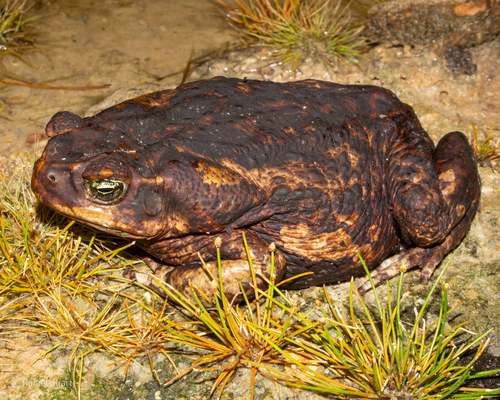
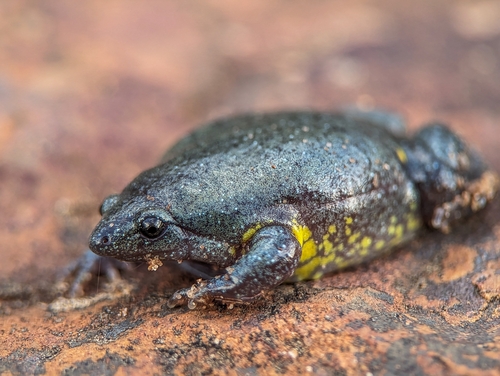
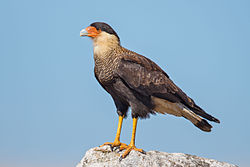
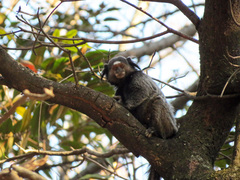
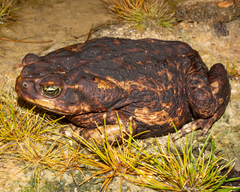
Brasilia's urban area has 296 recorded vertebrate species. The ones wildlife watchers report most often on a given day are Rufous Hornero (about 90%), Great Kiskadee (about 90%), Yellow-chevroned Parakeet (about 90%), Saffron Finch (about 80%) and Rock Pigeon (about 80%). Among mammals, the most-seen is Black-pencilled Marmoset (about 40%); among reptiles, Tropical House Gecko (about 30%); among amphibians, Cururu Toad (about 20%).
When is the best time to see wildlife in Brasilia?
February and June
In those months the city's 12 most-seen species average about 80% on a given day, against about 70% in March–May and July–January.
Can you see a Yellow-chevroned Parakeet in Brasilia?
Yes
About 90% of wildlife watchers report a Yellow-chevroned Parakeet sighting in Brasilia on a given day, based on 1,121 verified sightings from GBIF citizen-science data from 2019 to 2026. The best time is March and April (over 90%).
Can you see a Rufous Hornero in Brasilia?
Yes
About 90% of wildlife watchers report a Rufous Hornero sighting in Brasilia on a given day, based on 1,167 verified sightings from GBIF citizen-science data from 2019 to 2026. The best time is March, June and September–November (over 90%).
Can you see a Chalk-browed Mockingbird in Brasilia?
Yes
About 80% of wildlife watchers report a Chalk-browed Mockingbird sighting in Brasilia on a given day, based on 821 verified sightings from GBIF citizen-science data from 2019 to 2026. The best time is February and June–December (about 80%).
Where in Brasilia is wildlife easiest to see?
Parque da Cidade Sarah Kubitschek
The spot where most wildlife watchers record their sightings is Parque da Cidade Sarah Kubitschek (119 bird species recorded), followed by Parque Ecológico de Águas Claras and Zoológico de Brasília. See them on the map.
Is Brasilia good for wildlife watching?
4.5 out of 5
On the Wallace's Line Score, which rates each city against other cities, Brasilia gets 4.5/5: 88th of 380 cities worldwide and 17th in South America. 18 of its species are reported by about 40% or more of wildlife watchers on a given day.
Nearest Cities


Nearest Parks


Nearest Zoos & Centres


Sources: urban area GHSL Urban Centre Database R2024A, European Commission JRC (CC BY 4.0) · protected land WDPA, UNEP-WCMC & IUCN (via GHSL) · climate NASA POWER · wildlife GBIF.org citizen-science data