October Thorn

October Thorn

Synaxis jubararia

Daily sighting probability <5% · Rare
at Seattle

In 3 days ~10% in a week ~20%

10 Verified sightings at Seattle
22 In all 3 parks From 2019 to 2026
October Best month
☀️ Diurnal When it's spotted

About the October Thorn

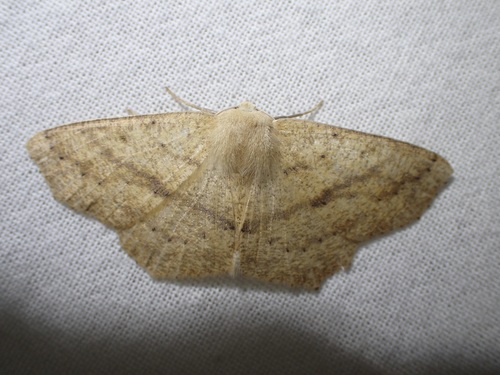
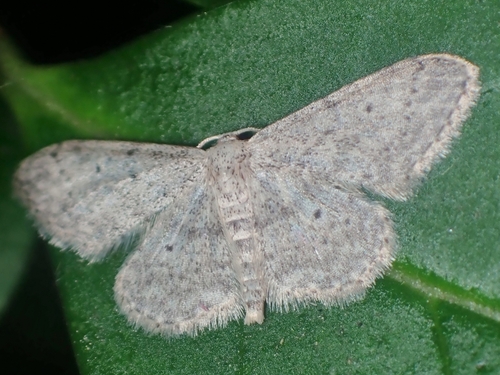
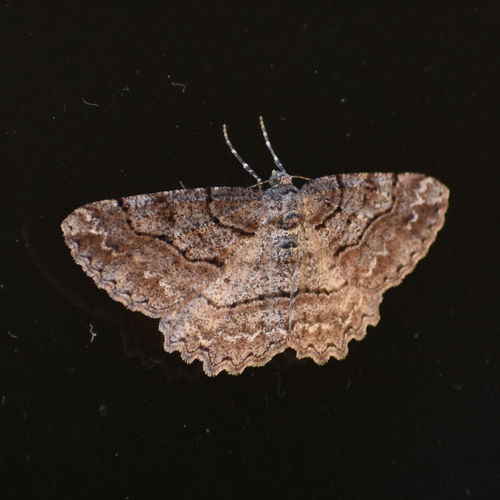
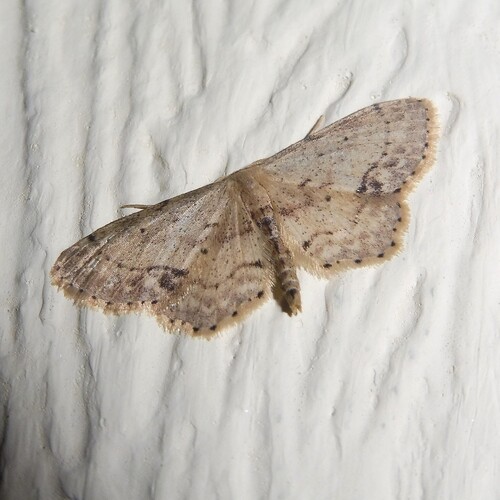
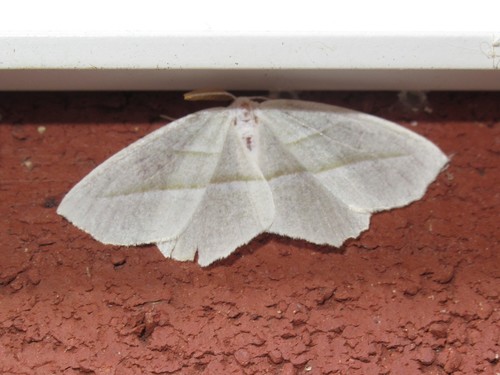
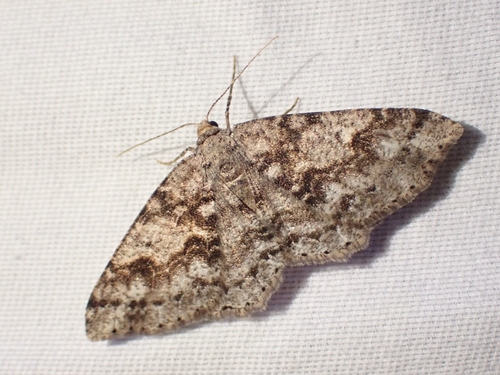
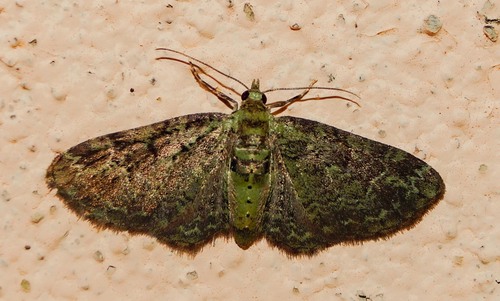
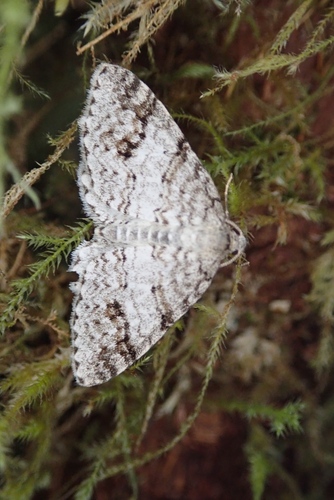
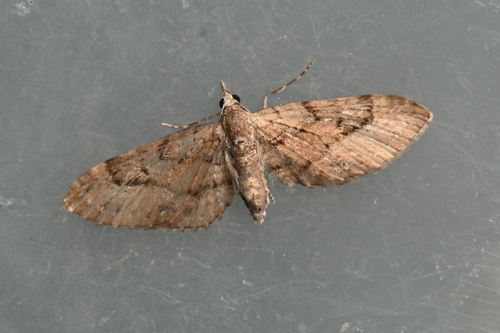
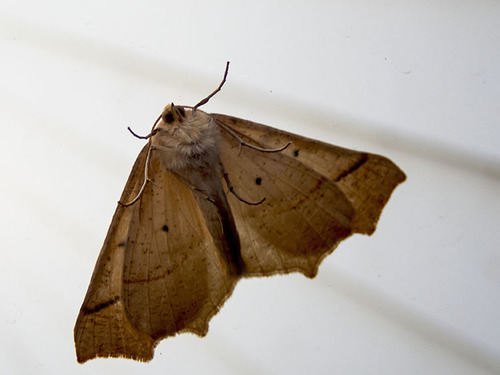
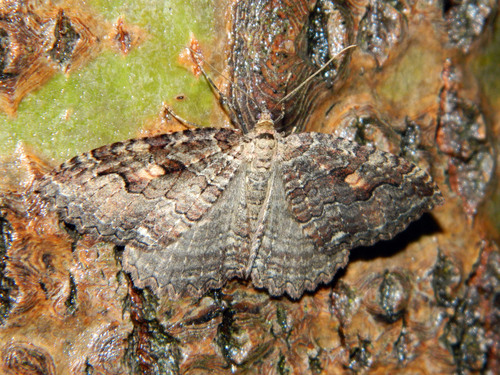
Tetracis jubararia, commonly known as the October Thorn, is a moth of the family Geometridae. This species is known for flying in the fall and having an angular wing shape and colors of ochres and browns that resemble autumn leaves. It is found in western North America.

It was first described by Hulst in 1886, then by McDunnough in 1938 as Synaxis jubararia. The genus Synaxis was synonymized with Tetracis by Ferris & Schmidt in 2010. The Holotype was collected in Seattle, Washington. Tetracis jubararia jubararia (southern California northward to British Columbia and eastward to central Saskatchewan, southwestern Idaho, and White Pine County, Nevada at elevations from 150 to 2255 meters)

Tetracis jubararia sericeata (Rocky Mountain and Intermountain Regions from 1,830 to 2,590 meters) is a buff (pale yellow-ochre) variation. It widely distributed in Western coniferous, mixed, and deciduous forests. Moth of ssp. jubararia range across the northwestern North America at elevation of 500-7,400 ft., including British Columbia, California, Idaho, Nevada, Saskatchewan, Oregon, and Washington. The subspecies ssp. sericeata is found... Wikipedia →
Global Distribution

Parks Where Found

# Park Country Daily sighting probability
1 Pacific Rim National Park Reserve 🇨🇦 Canada
~10%
2 Great Bear Rainforest 🇨🇦 Canada
<5%
3 Olympic National Park 🇺🇸 United States
<5%

Cities Where Found

# City Country Daily sighting probability
1 Sacramento 🇺🇸 United States
<5%
2 Seattle 🇺🇸 United States
<5%
3 Calgary 🇨🇦 Canada
<5%

Before you go

What are the chances of seeing an October Thorn in Seattle?

Rare

Under 5% of wildlife watchers report an October Thorn sighting in Seattle on a given day, based on 10 verified sightings from GBIF citizen-science data. It is the 275th most-seen of the 428 insects we can rate there. Over three days the chance rises to about 10%, and over a week to about 20%, if each day is a fresh chance.

When is the best time to see an October Thorn in Seattle?

October

In that month about 10% of wildlife watchers report an October Thorn in Seattle on a given day, against under 5% in November to September, the lowest months.

What time of day is best to see an October Thorn?

Between 6 and 9 am

Across all the parks we cover, that three-hour window holds the most October Thorn sightings with a recorded time, and about 8 in 10 of them come between 6 am and 6 pm: it is a daytime animal.

Is Seattle the best place to see an October Thorn?

Among the best

Of the 3 cities where we can rate October Thorn sightings, Seattle ranks 2nd at under 5%, level with the leaders once rounded. The best odds are in Sacramento (United States, under 5%).

Which relatives of the October Thorn live in Seattle?

Same family: Geometridae

The closest relatives of the October Thorn that you can see in Seattle (family Geometridae, Geometer Moths) are Tissue Moth (about 10%), Omnivorous Looper (about 10%) and Small Dusty Wave (about 10%), with each one's daily chance of a sighting.

Where does the October Thorn sighting chance come from?

GBIF citizen-science records

It is estimated from how often the October Thorn is recorded against all the insects logged in Seattle (10 verified sightings), calibrated against known sighting rates. Figures are rounded to the nearest 10% because citizen-science data supports honest approximations, not decimals, and months with records from fewer than five people show "—". How it works.

← Back to Seattle