Pachycondyla chinensis

Pachycondyla chinensis

Pachycondyla chinensis

Daily sighting probability <5% · Rare
at Tokyo

In 3 days ~10% in a week ~20%

23 Verified sightings at Tokyo
17 In 1 park From 2019 to 2026
October Best month
☀️🌙 Day & Night When it's spotted

About the Pachycondyla chinensis

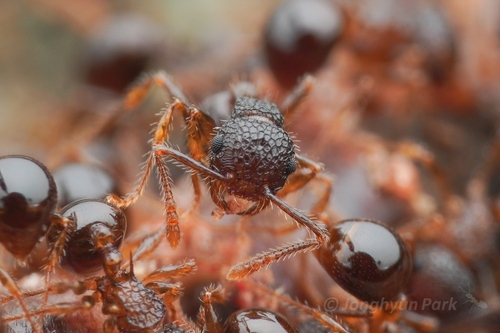
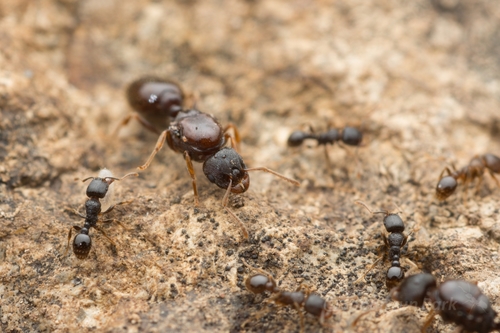
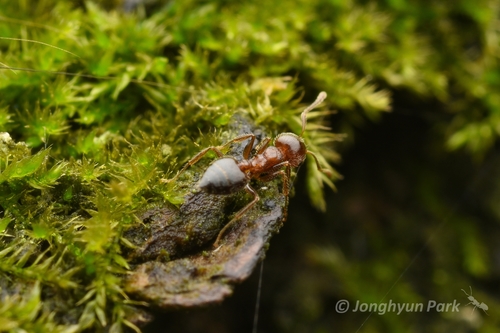
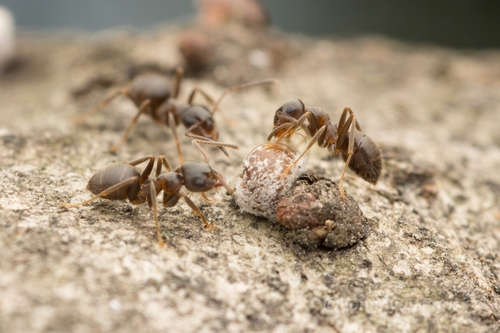
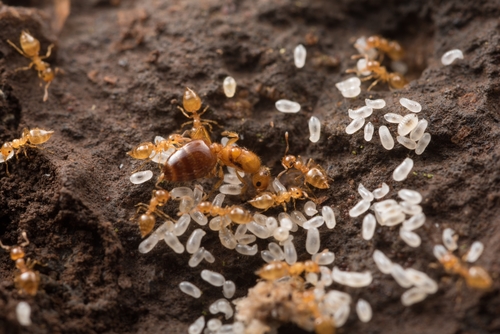
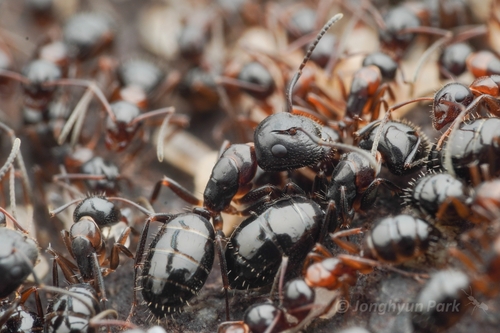
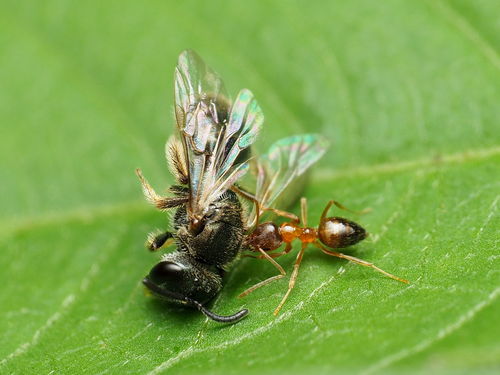
Brachyponera chinensis, the Asian needle ant, is a stinging ponerine ant native to areas of Japan and mainland Asia. It was known as Pachycondyla chinensis, a name used in many scientific publications until 2014. The Asian needle ant was introduced to the United States in the 1930s, where it is considered an adventive and possibly invasive species. Since then, the Asian needle ant and the Argentine ant (Linepithema humile) have been competing for territory in the U.S. Brachyponera chinensis is found primarily in the American South, where the ants prefer to nest beneath or near hardwood trees. They are also found along the U.S. East Coast, from Florida to Massachusetts. The range of Asian needle ant then extends westward to Kentucky, Tennessee, and Arkansas. Sightings have also been confirmed in Washington and Wisconsin, where outlier populations have been established. This invasive species is of growing concern due to ecological impacts on biodiversity and medical risks to human health, via sting-induced anaphylaxis.

The native range of Brachyponera chinensis includes Japan, China, North and South Korea, Taiwan, Thailand, Vietnam, and Nepal. The Asian needle... Wikipedia →

Global Distribution

Parks Where Found

# Park Country Daily sighting probability
1 Great Smoky Mountains National Park 🇺🇸 United States
~10%

More parks will be added in future updates.

Cities Where Found

# City Country Daily sighting probability
1 Seoul 🇰🇷 South Korea
~10%
2 Washington 🇺🇸 United States
~10%
3 Beijing 🇨🇳 China
<5%
4 Baltimore 🇺🇸 United States
<5%
5 Tokyo 🇯🇵 Japan
<5%
6 Hong Kong 🇨🇳 China
<5%
7 New York City 🇺🇸 United States
<5%

Before you go

What are the chances of seeing a Pachycondyla chinensis in Tokyo?

Rare

Under 5% of wildlife watchers report a Pachycondyla chinensis sighting in Tokyo on a given day, based on 23 verified sightings from GBIF citizen-science data. It is the 406th most-seen of the 1013 insects we can rate there. Over three days the chance rises to about 10%, and over a week to about 20%, if each day is a fresh chance.

When is the best time to see a Pachycondyla chinensis in Tokyo?

Any time of year

In every month with enough records, under 5% of wildlife watchers report a Pachycondyla chinensis in Tokyo on a given day, so our monthly data shows no clear season.

What time of day is best to see a Pachycondyla chinensis?

Between 11 am and 2 pm

Across all the parks we cover, that three-hour window holds the most Pachycondyla chinensis sightings with a recorded time, and about 6 in 10 of them come between 6 am and 6 pm: it is seen both by day and at night.

Is Tokyo the best place to see a Pachycondyla chinensis?

5th of 7

Of the 7 cities where we can rate Pachycondyla chinensis sightings, Tokyo ranks 5th at under 5%. The best odds are in Seoul (South Korea, about 10%), Washington (United States, about 10%) and Beijing (China, under 5%).

Where does the Pachycondyla chinensis sighting chance come from?

GBIF citizen-science records

It is estimated from how often the Pachycondyla chinensis is recorded against all the insects logged in Tokyo (23 verified sightings), calibrated against known sighting rates. Figures are rounded to the nearest 10% because citizen-science data supports honest approximations, not decimals, and months with records from fewer than five people show "—". How it works.

← Back to Tokyo