Oak Processionary

Oak Processionary

Thaumetopoea processionea

Daily sighting probability <5% · Rare
at Vienna

In 3 days ~10% in a week ~20%

17 Verified sightings at Vienna
18 In 1 park From 2019 to 2026
December Best month
☀️🌙 Day & Night When it's spotted

About the Oak Processionary

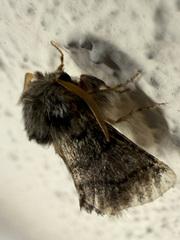
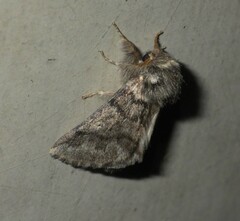
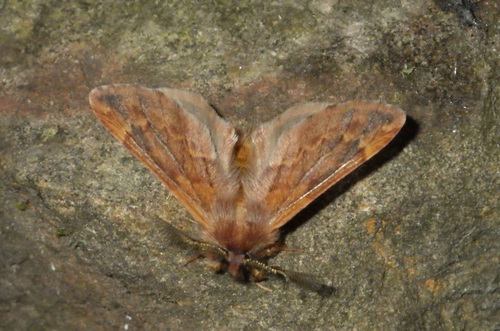
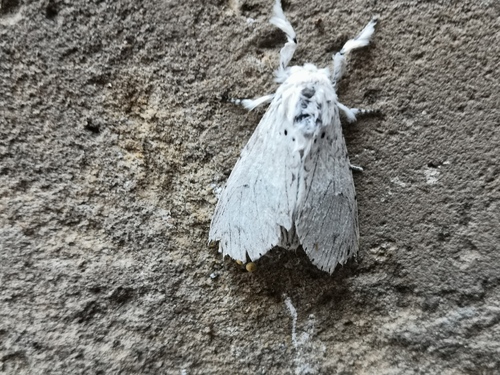
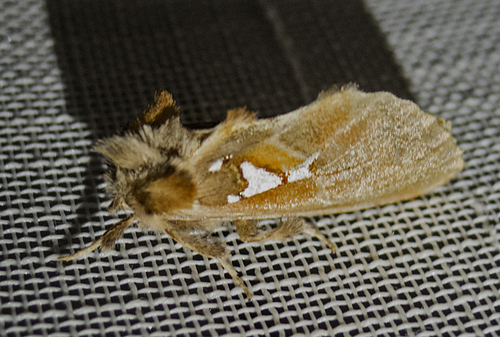
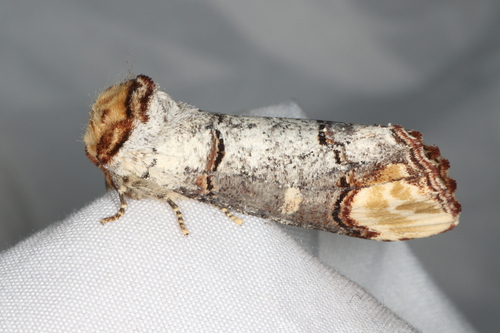
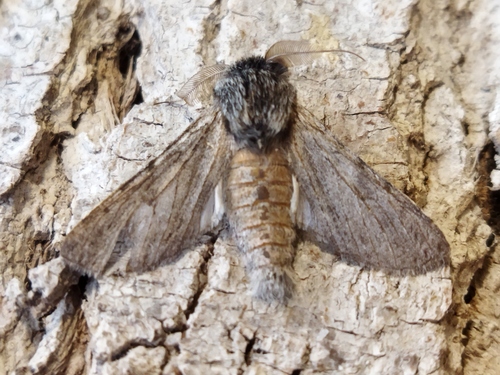
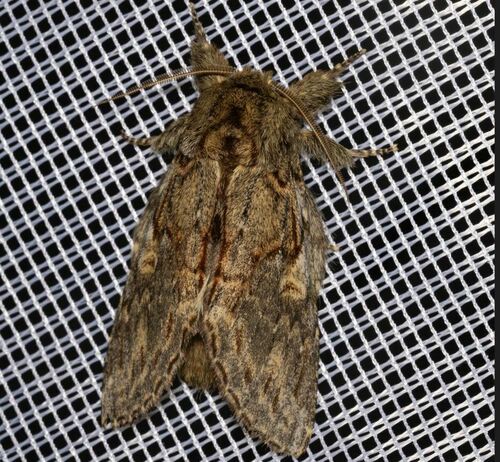
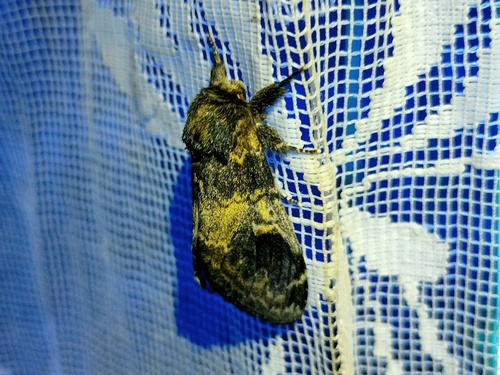
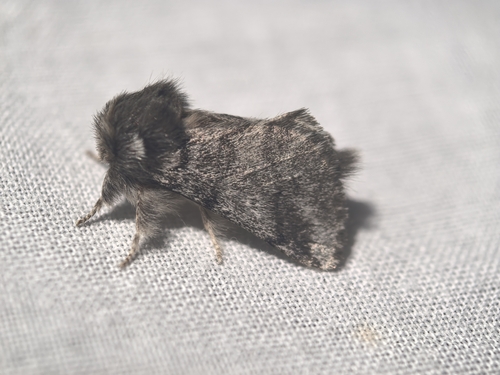
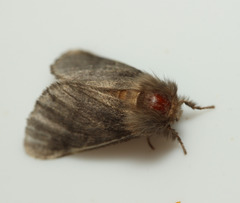
The oak processionary (OPM) (Thaumetopoea processionea) is a moth whose caterpillars can be found in oak forests, where they feed on oak leaves, causing significant damage. They travel in nose-to-tail processions (hence their name), often arrow-headed, with a leader followed by rows of several caterpillars abreast. They are a human irritant because of their venomous setae (specifically urticating hairs), which can cause skin irritation and asthma. The species was first described by Carl Linnaeus in his 1758 10th edition of Systema Naturae.

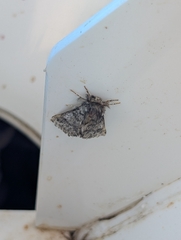
The wingspan of adult stage moth is between 25 and 35 millimetres (0.98 and 1.38 in). Their pattern of tan, brown and white makes the adults difficult to see against oak bark. Adults fly during July and August. The larvae construct communal nests of white silk from which they crawl at night in single file, head to tail in large processions to feed on foliage in the crowns of trees, returning in the same manner.

Oak is its preferred food source, but the moth also eats the leaves of hazel, hornbeam, sweet chestnut, birch and beech. The caterpillars live and feed almost exclusively on oak trees. They may march... Wikipedia →
Global Distribution

Parks Where Found

# Park Country Daily sighting probability
1 Bavarian Forest National Park 🇩🇪 Germany
~10%

More parks will be added in future updates.

Cities Where Found

# City Country Daily sighting probability
1 London 🇬🇧 United Kingdom
~10%
2 Berlin 🇩🇪 Germany
~10%
3 Essen 🇩🇪 Germany
<5%
4 Vienna 🇦🇹 Austria
<5%

Before you go

What are the chances of seeing an Oak Processionary in Vienna?

Rare

Under 5% of wildlife watchers report an Oak Processionary sighting in Vienna on a given day, based on 17 verified sightings from GBIF citizen-science data. It is the 666th most-seen of the 1406 insects we can rate there. Over three days the chance rises to about 10%, and over a week to about 20%, if each day is a fresh chance.

When is the best time to see an Oak Processionary in Vienna?

August and December

In those months about 10% of wildlife watchers report an Oak Processionary in Vienna on a given day, against under 5% in January–July and September–November, the lowest months.

What time of day is best to see an Oak Processionary?

Between 10 pm and 1 am

Across all the parks we cover, that three-hour window holds the most Oak Processionary sightings with a recorded time, and about 7 in 10 of them come between 6 pm and 6 am: it is seen both by day and at night.

Is Vienna the best place to see an Oak Processionary?

4th of 4

Of the 4 cities where we can rate Oak Processionary sightings, Vienna ranks 4th at under 5%. The best odds are in London (United Kingdom, about 10%), Berlin (Germany, about 10%) and Essen (Germany, under 5%).

Where does the Oak Processionary sighting chance come from?

GBIF citizen-science records

It is estimated from how often the Oak Processionary is recorded against all the insects logged in Vienna (17 verified sightings), calibrated against known sighting rates. Figures are rounded to the nearest 10% because citizen-science data supports honest approximations, not decimals, and months with records from fewer than five people show "—". How it works.

← Back to Vienna