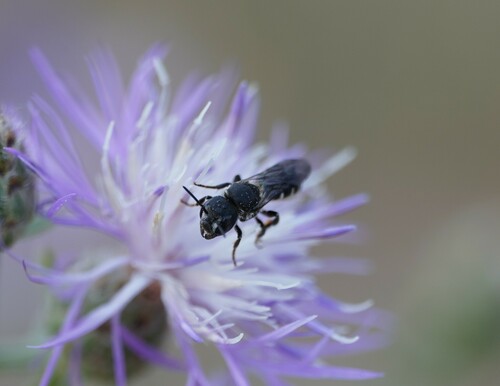
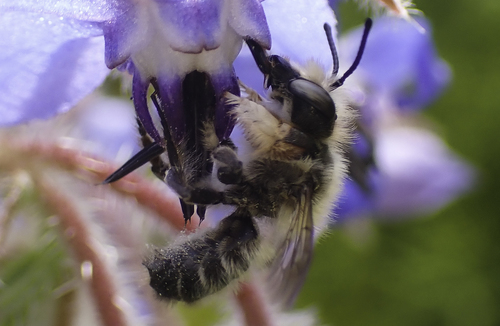
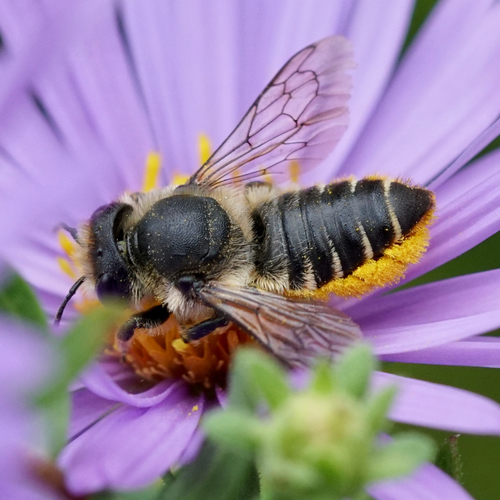
Gold-Fringed Mason Bee

Gold-Fringed Mason Bee

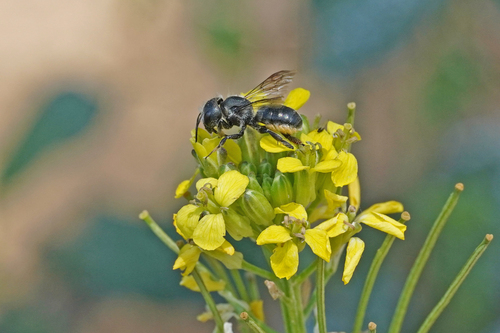
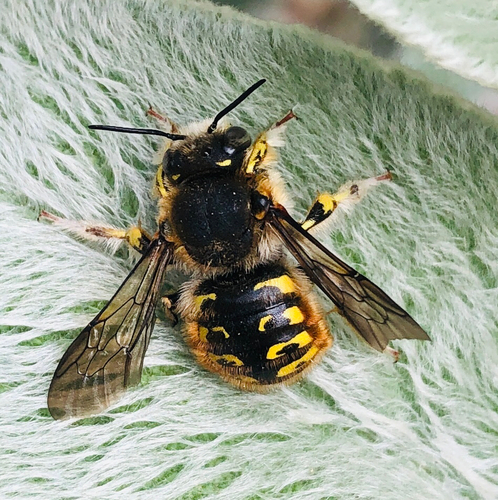
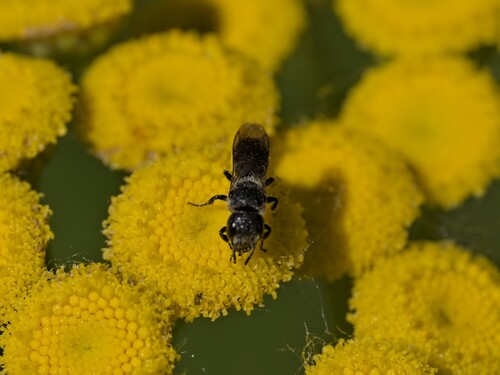
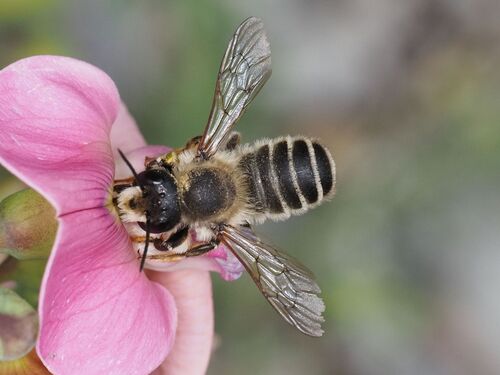
Osmia aurulenta

Daily sighting probability <5% · Rare
at Warsaw

In 3 days ~10% in a week ~30%

8 Verified sightings at Warsaw
April Best month

About the Gold-Fringed Mason Bee

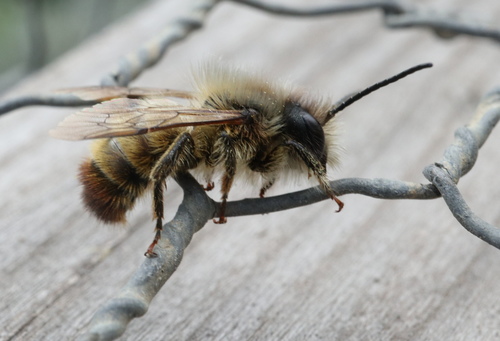
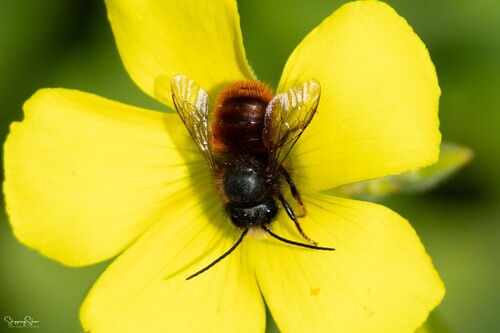
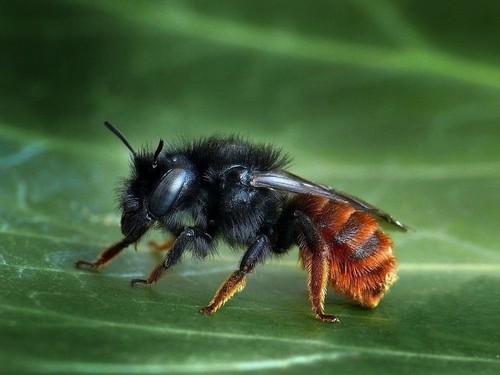
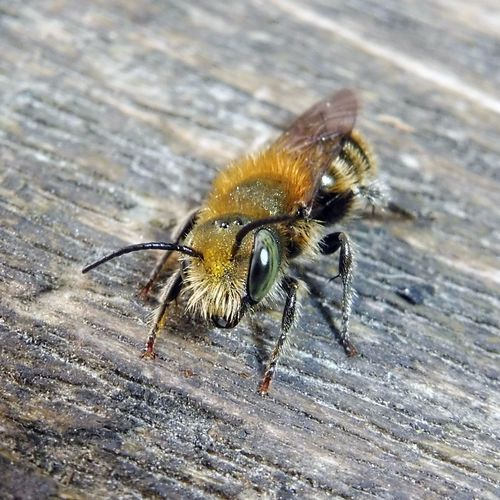
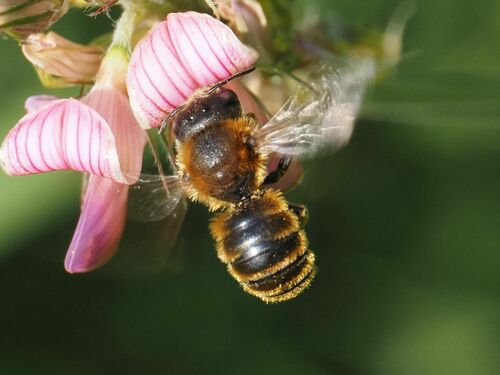
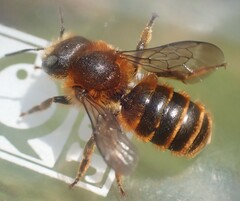
Osmia aurulenta is a Palearctic species of mason bee. 8–10 mm. Males in the field cannot be distinguished from similar Osmia species, especially when they are older. Females in a fresh state may be confused with the slimmer Osmia rufohirta due to the bright rust-red hairs of the thorax, the rust-red narrow tergite bandages and the rust-red belly brush. Females that are old are similar to Osmia tridentata.

From Portugal through Europe and Asia Minor to the Caucasus; north to Ireland and southern Scotland, to 59.5° N in Norway, 58° N in Sweden, in Russia to Udmurtia; south to Sicily, Greece and Lebanon. On calcareous subsoil. Inland dunes, rocky slopes, extensively grazed or fallow sheep pastures (juniper heaths), old fallow vineyards, structurally rich forest edges, abandoned quarries, in the limestone low mountain ranges also stony and sparsely overgrown road embankments, there occasionally also in the settlement area. From the lowlands to the montane, in southern Switzerland to the subalpine altitude.

The flight period ranges in a generation from March to July, beginning of March to the beginning of September in Switzerland... Wikipedia →
Global Distribution

Parks Where Found

# Park Country Daily sighting probability

More parks will be added in future updates.

Cities Where Found

# City Country Daily sighting probability
1 Warsaw 🇵🇱 Poland
<5%
2 Berlin 🇩🇪 Germany
<5%
3 Vienna 🇦🇹 Austria
<5%

Before you go

What are the chances of seeing a Gold-Fringed Mason Bee in Warsaw?

Rare

Under 5% of wildlife watchers report a Gold-Fringed Mason Bee sighting in Warsaw on a given day, based on 8 verified sightings from GBIF citizen-science data. It is the 413th most-seen of the 580 insects we can rate there. Over three days the chance rises to about 10%, and over a week to about 30%, if each day is a fresh chance.

When is the best time to see a Gold-Fringed Mason Bee in Warsaw?

April to June

In those months about 10% of wildlife watchers report a Gold-Fringed Mason Bee in Warsaw on a given day, against under 5% in July to March, the lowest months.

Is Warsaw the best place to see a Gold-Fringed Mason Bee?

Yes

Of the 3 cities where we can rate Gold-Fringed Mason Bee sightings, Warsaw has the highest daily chance: under 5%. Next come Berlin (Germany, under 5%) and Vienna (Austria, under 5%).

Which relatives of the Gold-Fringed Mason Bee live in Warsaw?

Same genus: Osmia

The closest relatives of the Gold-Fringed Mason Bee that you can see in Warsaw (genus Osmia, Mason Bees) are Red Mason Bee (about 20%), European Orchard Bee (about 10%) and Red-Tailed Mason Bee (about 10%), with each one's daily chance of a sighting.

Where does the Gold-Fringed Mason Bee sighting chance come from?

GBIF citizen-science records

It is estimated from how often the Gold-Fringed Mason Bee is recorded against all the insects logged in Warsaw (8 verified sightings), calibrated against known sighting rates. Figures are rounded to the nearest 10% because citizen-science data supports honest approximations, not decimals, and months with records from fewer than five people show "—". How it works.

← Back to Warsaw