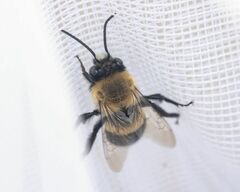
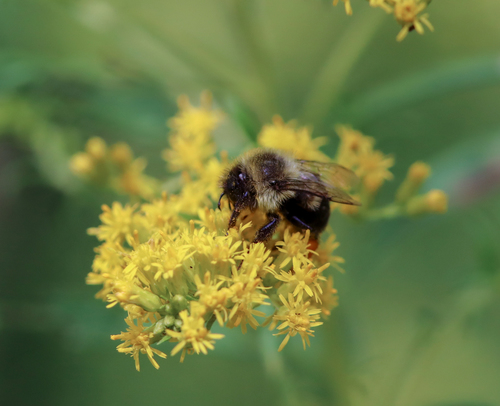
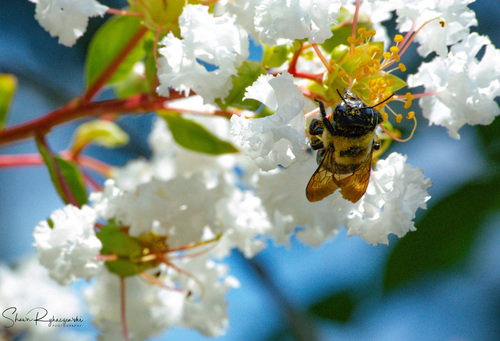
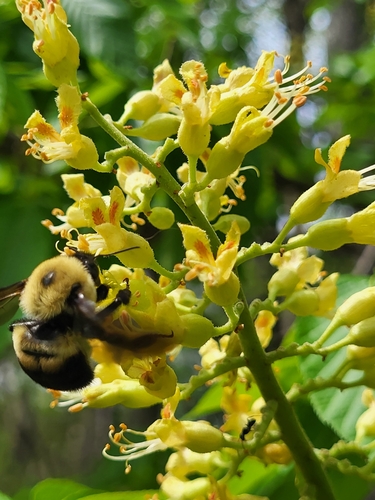
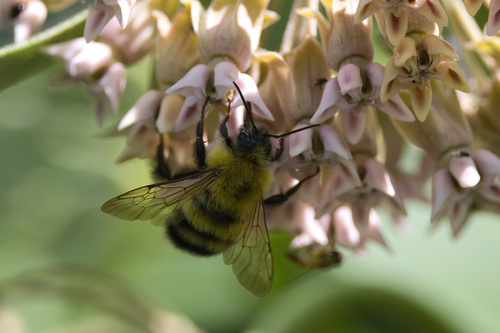
Blueberry Digger Bee

Blueberry Digger Bee

Habropoda laboriosa

Daily sighting probability <5% · Rare
at Washington

In 3 days ~10%

5 Verified sightings at Washington
15 In 1 park From 2019 to 2026
April Best month
☀️ Diurnal When it's spotted

About the Blueberry Digger Bee

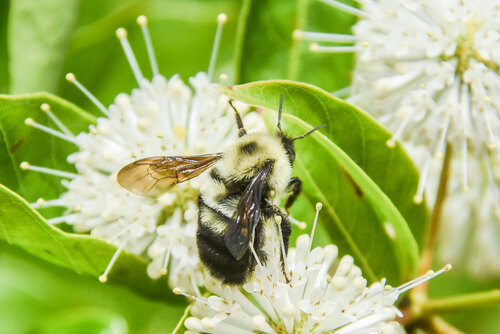
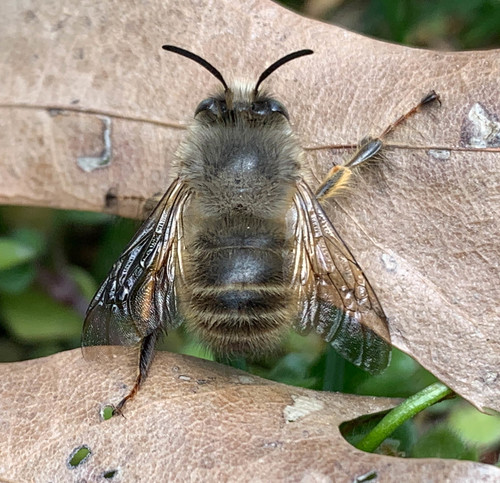
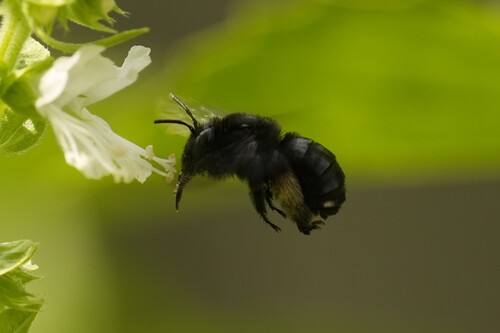
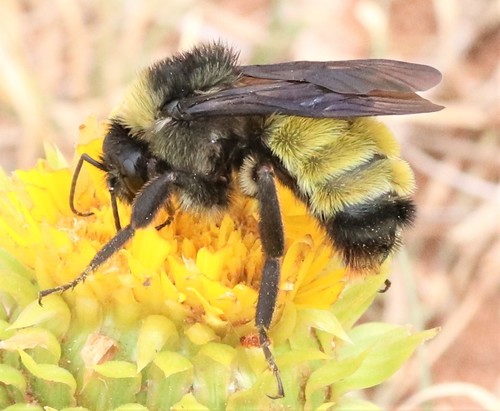
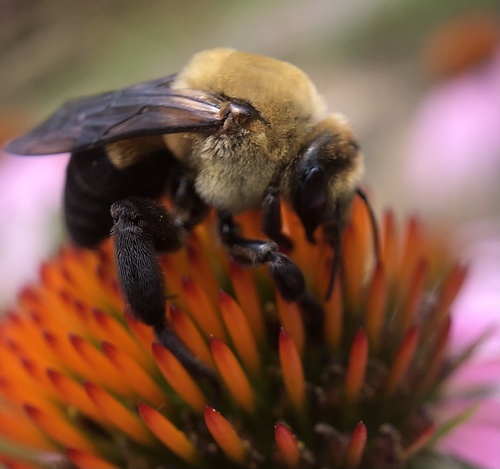
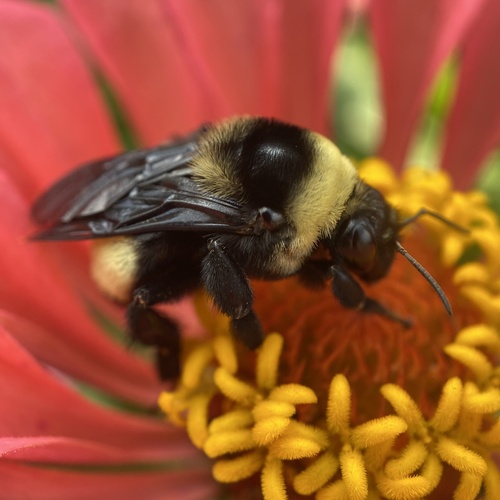
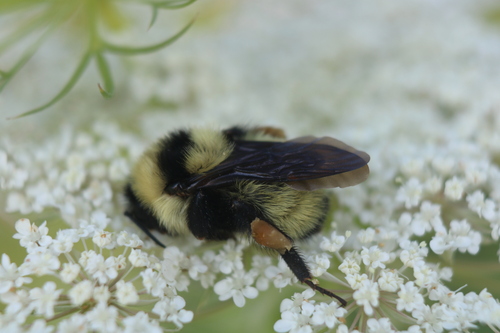
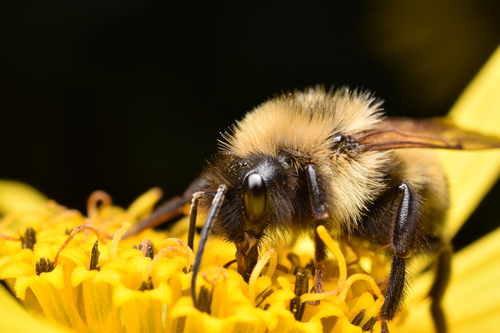
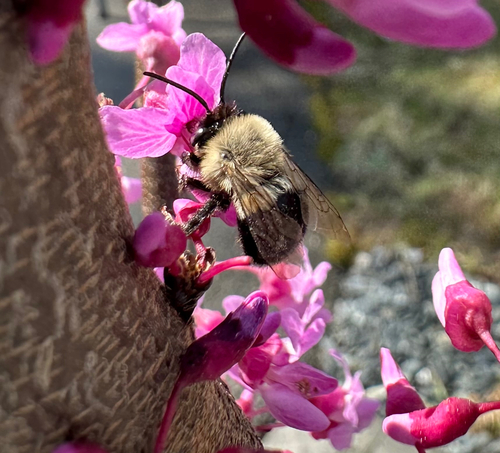
Habropoda laboriosa, the southeastern blueberry bee, is a bee in the family Apidae. It is native to the eastern United States. It is regarded as the most efficient pollinator of southern rabbit-eye blueberries, because the flowers require buzz pollination, and H. laboriosa is one of the few bees that exhibit this behavior. It is active for only a few weeks of the year, while the blueberries are in flower during early spring, when the temperature is warm and humid. H. laboriosa are solitary bees that live alone but nest in close proximity with other nests of their species. They have similar features to bumblebees, but are smaller in size compared to them.

The southeastern blueberry bee was classified by Fabricius in 1804. Southeastern blueberry bees are considered mountain-digger bees which can be characterized into the genus Habropoda; the major plant that it pollinates are blueberry plants (Vaccinium), so the species name, laboriosa, is derived from that characteristic.

H. laboriosa are solitary bees but may be in close proximity to other nests. They dig tunnels in the ground that are a little wider than their bodies, and they may do so in the company... Wikipedia →
Global Distribution

Parks Where Found

# Park Country Daily sighting probability
1 Congaree National Park 🇺🇸 United States
~10%

More parks will be added in future updates.

Cities Where Found

# City Country Daily sighting probability
1 Orlando 🇺🇸 United States
<5%
2 Houston 🇺🇸 United States
<5%
3 New York City 🇺🇸 United States
<5%
4 Washington 🇺🇸 United States
<5%

Before you go

What are the chances of seeing a Blueberry Digger Bee in Washington?

Rare

Under 5% of wildlife watchers report a Blueberry Digger Bee sighting in Washington on a given day, based on 5 verified sightings from GBIF citizen-science data. It is the 1649th most-seen of the 1807 insects we can rate there. Over three days the chance rises to about 10%, if each day is a fresh chance.

When is the best time to see a Blueberry Digger Bee in Washington?

Any time of year

In every month with enough records, under 5% of wildlife watchers report a Blueberry Digger Bee in Washington on a given day, so our monthly data shows no clear season.

What time of day is best to see a Blueberry Digger Bee?

Between 2 and 5 pm

Across all the parks we cover, that three-hour window holds the most Blueberry Digger Bee sightings with a recorded time, and about 8 in 10 of them come between 6 am and 6 pm: it is a daytime animal.

Is Washington the best place to see a Blueberry Digger Bee?

Among the best

Of the 4 cities where we can rate Blueberry Digger Bee sightings, Washington ranks 4th at under 5%, level with the leaders once rounded. The best odds are in Orlando (United States, under 5%), Houston (United States, under 5%) and New York City (United States, under 5%).

Which relatives of the Blueberry Digger Bee live in Washington?

Same family: Apidae

The closest relatives of the Blueberry Digger Bee that you can see in Washington (family Apidae, Honey Bees, Bumble Bees, and Allies) are Common Eastern Bumble Bee (about 30%), Eastern Carpenter Bee (about 30%) and Brown-Belted Bumble Bee (about 20%), with each one's daily chance of a sighting.

Where does the Blueberry Digger Bee sighting chance come from?

GBIF citizen-science records

It is estimated from how often the Blueberry Digger Bee is recorded against all the insects logged in Washington (5 verified sightings), calibrated against known sighting rates. Figures are rounded to the nearest 10% because citizen-science data supports honest approximations, not decimals, and months with records from fewer than five people show "—". How it works.

← Back to Washington