About the Oilbird
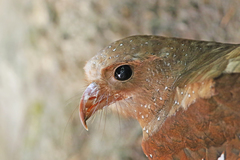
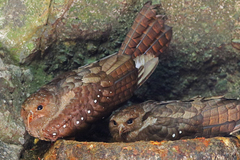
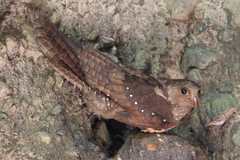
The oilbird (Steatornis caripensis), locally known as the guácharo, is a bird species found in the northern areas of South America including the Caribbean island of Trinidad. It is the only living species in the genus Steatornis, the family Steatornithidae, and the order Steatornithiformes. Nesting in colonies in caves, oilbirds are nocturnal feeders on the fruits of the oil palm and tropical laurels. They are the only nocturnal flying fruit-eating birds in the world (the kākāpō, also nocturnal, is flightless). They forage at night, with specially adapted eyesight. However, they navigate by echolocation in the same way as bats, one of the few birds to do so. They produce a high-pitched clicking sound of around 2 kHz that is audible to humans.
Oilbirds are related to the nightjars, both being in Strisores, and were previously placed alongside nightjars in the order Caprimulgiformes. However, the nightjars and their relatives are insectivores while the oilbird is a specialist frugivore, and it is now deemed sufficiently distinctive to be placed in its own order Steatornithiformes, suborder Steatornithes, and family Steatornithidae.
The specific name caripensis... Wikipedia →