

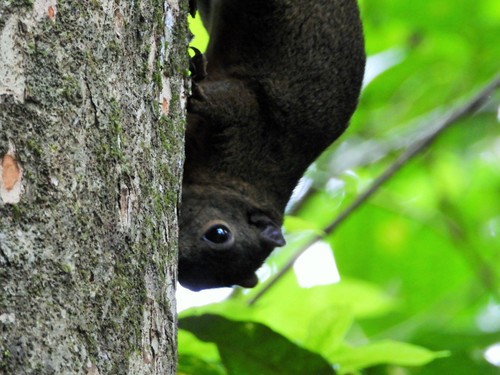


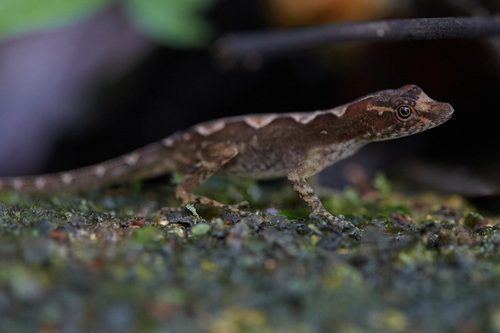


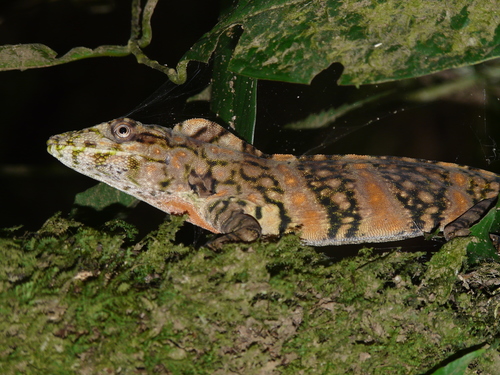


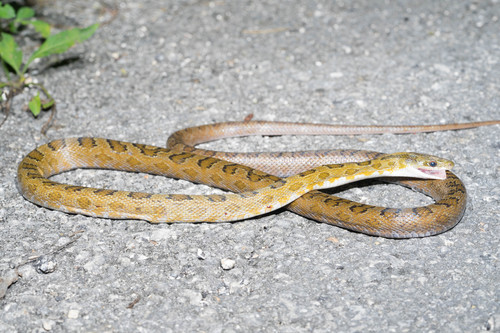


All 4 in 3 days here: ~30%
Monteverde Cloud Forest Reserve
🇨🇷 Costa Rica
Central Highlands, Costa Rica 1205 spp. recorded
Monteverde Cloud Forest Reserve protects 10,500 hectares of pristine cloud forest along the Continental Divide in Costa Rica's Tilarán mountain range — one of the most biodiverse ecosystems on Earth. The reserve shelters over 400 bird species including the iconic Resplendent Quetzal, the endangered Three-wattled Bellbird, and 14 species of hummingbirds that visit feeders at the entrance.
10.304° N 84.800° W
🦜 Nature

704 Species sighted
464,233 Verified sightings From 2019 to 2026
Sep Best month
⭐ Iconic Species
📊 Most Spotted
⭐ Iconic Species
📊 Most Spotted
⭐ Iconic Species
📊 Most Spotted
📊 Most Spotted
📊 Most Spotted
📊 Most Spotted
🌙 Most active after dark
+ 512 more species with insufficient data
Challenges you can complete here


All 2 in 3 days here: ~10%


All 3 in 3 days here: ~10%


All 4 in 3 days here: ~10%
Recent sightings in Monteverde Cloud Forest Reserve
LIVEiNaturalistSighting Calendar
How many species you'd see in a day
68Jan
68Feb
70Mar
71Apr
78May
71Jun
76Jul
77Aug
83Sep
72Oct
72Nov
71Dec
Sighting Zones
Warmer areas are where all species together are recorded most often.
-
Curi-Cancha Refugio de Vida Silvestre
Daily sight. prob.vs avg Central American Agouti~90%+30%
 White-nosed Coati~80%≈
 Central American White-faced Capuchin~70%+30%
 Side-striped palm pit viper~70%≈
 Brown Jay~70%≈
 Variegated Squirrel~60%+30%
 Emerald Swift~60%+20%
 Lesson's Motmot~60%≈
 Lesser Violetear~60%≈
 Southern House Wren~50%≈
 Northern Emerald-Toucanet~50%-10%
 Great-tailed Grackle~50%≈
-
San Luis · Finca Ecológica
Daily sight. prob.vs avg- White-nosed Coati~90%+10%
 Clay-colored Thrush~70%+20%
- Brown Jay~70%≈
- Central American White-faced Capuchin~70%+20%
 Giant Marine Toad~60%+30%
- Lesson's Motmot~50%≈
 Forrer's Grass Frog~50%+40%
- Northern Emerald-Toucanet~50%-10%
 Drab Tree Frog~50%+40%
 Warszewitsch's Frog~50%+10%
- Southern House Wren~50%-10%
- Central American Agouti~50%-10%
-
Refugio de Vida Silvestre Monteverde
Daily sight. prob.vs avg- Side-striped palm pit viper>90%+30%
 Hoffmann's Two-toed Sloth~70%+40%
 Rufous-eyed brook frog~70%+40%
 Pygmy Rain Frog~60%+30%
- Brown Jay~60%-10%
 Keel-billed Toucan~50%+10%
- Lesson's Motmot~50%-10%
- Warszewitsch's Frog~50%+10%
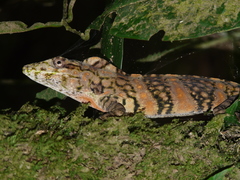 Decorated Anole~40%+30%
 Mantled Howler Monkey~40%+10%
 Mexican Hairy Dwarf Porcupine~40%+20%
- Northern Emerald-Toucanet~40%-20%
-
San Luis
Daily sight. prob.vs avg- White-nosed Coati~80%≈
- Side-striped palm pit viper~80%+10%
- Central American Agouti~70%+10%
- Central American White-faced Capuchin~70%+20%
- Great-tailed Grackle~60%+20%
- Variegated Squirrel~60%+20%
- Brown Jay~50%-10%
- Emerald Swift~50%+10%
- Decorated Anole~40%+20%
- Rufous-eyed brook frog~40%+10%
- Clay-colored Thrush~40%-10%
- Keel-billed Toucan~30%-10%
-
Monteverde Cloud Forest Biological Preserve
Daily sight. prob.vs avg- White-nosed Coati~90%+10%
- Side-striped palm pit viper~80%+10%
 Resplendent Quetzal~70%+30%
- Hoffmann's Two-toed Sloth~60%+20%
- Mantled Howler Monkey~60%+30%
 Common Chlorospingus~50%≈
 Purple-throated Mountain-gem~50%-10%
- Northern Emerald-Toucanet~40%-20%
 Slate-throated Redstart~40%-10%
- Central American Agouti~40%-20%
 Golden-groined Robber Frog~40%+20%
- Lesser Violetear~40%-20%
🏕️ Experience
Essentials
Entrance
Paid
Tourism
High
Typical stay
2–3
daysTrails
Hard
World Heritage
No
Climate
Temp °C Rain mm
JanFebMarAprMayJunJulAugSepOctNovDec
0.0 Good
Wallace's Line Score
How good is this park for seeing wildlife? 🦜
Biodiversity
ExcellentHow rich is the wildlife?
4.7
Species by taxon
🦅 Birds 742
🐒 Mammals 225
🦎 Reptiles 141
🐸 Amphibians 97
1205 Total Species
828 Global average across 316 parks
42 Threatened 95 Endemic
🔭
Sighting
Very goodHow likely to see animals?
3.3
🎯
Top-12 Avg Probability
59% 📊
Coverage (224 species at ≥5% of 1205 in the inventory)
19% 🔀
Taxon variety in top 12 (9 bird, 2 mammal, 1 reptile)
54% 🔭
Species per 10 outings (distinct species a visitor would meet over 10 outings — effort held equal across parks)
139 🌟
Iconic-group species (≥15%) (every species from the 19 iconic groups — monkeys, cats, toucans, macaws, sloths, crocodilians… — not just the 4 highlighted above)
14 ⭐
High-prob species (>40%)
23 🏕️
Experience
GoodHow easy and pleasant is the visit?
2.9
Climate Mixed Medium
Entrance Paid Low
Tourism High Low
Trails Hard Low
World Heritage No —
What visitors say
I spotted a Central American Agouti at the Coati Treehouse, and while in the reserve we got a fleeting glimpse of a Geoffroy’s Spider Monkey in the treetops, a White-Nosed Coati just off the side of the trail, and most notably a lone Collared Peccary in a secluded section of the reserve.
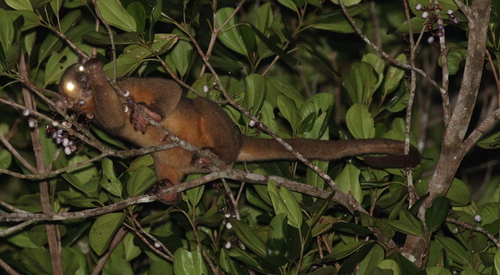
We saw several animals including kinkajou (also known as a honey bear, a small rainforest-dwelling mammal), porcupine, and armadillo; some sleeping birds; a green viper; and several impressive bugs.
We saw venomous snakes, a colourful toucan, multiple birds (many of whom looked like headless puff balls as they were sleeping), and even a sleeping howler monkey with her baby.
One evening we took a night walk in the rain forest where our guide disclosed hidden creatures we never would have observed such as tarantulas, scorpions, kinkajous, palm pit vipers above our heads, opossums, sleeping Mot Mots, sloths, walking sticks, leaf cutter ants and numerous frogs.
Before you go
What animals can you see in Monteverde Cloud Forest Reserve?
1,205 species
Monteverde Cloud Forest Reserve has 1,205 recorded vertebrate species. The ones wildlife watchers report most often on a given day are White-nosed Coati (about 80%), Side-striped palm pit viper (about 70%), Brown Jay (about 70%), Central American Agouti (about 60%) and Lesser Violetear (about 60%). Among amphibians, the most-seen is Warszewitsch's Frog (about 30%).
When is the best time to visit Monteverde Cloud Forest Reserve for wildlife?
November to August
In those months the park's 12 most-seen species average about 60% on a given day, against about 50% in September and October.
Can you see a Resplendent Quetzal in Monteverde Cloud Forest Reserve?
Yes
About 30% of wildlife watchers report a Resplendent Quetzal sighting in Monteverde Cloud Forest Reserve on a given day, based on 4,759 verified sightings from GBIF citizen-science data from 2019 to 2026. The best time is February–April and June–August (about 40%).
Can you see a Three-wattled Bellbird in Monteverde Cloud Forest Reserve?
Yes
About 20% of wildlife watchers report a Three-wattled Bellbird sighting in Monteverde Cloud Forest Reserve on a given day, based on 2,993 verified sightings from GBIF citizen-science data from 2019 to 2026. The best time is June (about 60%).
Can you see a Northern Emerald-Toucanet in Monteverde Cloud Forest Reserve?
Yes
About 60% of wildlife watchers report a Northern Emerald-Toucanet sighting in Monteverde Cloud Forest Reserve on a given day, based on 9,188 verified sightings from GBIF citizen-science data from 2019 to 2026. The best time is March to May (about 70%).
Can you see a White-nosed Coati in Monteverde Cloud Forest Reserve?
Yes
About 80% of wildlife watchers report a White-nosed Coati sighting in Monteverde Cloud Forest Reserve on a given day, based on 1,048 verified sightings from GBIF citizen-science data from 2019 to 2026. The best time is June–July, October and December–April (about 80%).
Where in Monteverde Cloud Forest Reserve is wildlife easiest to see?
Around Curi-Cancha Refugio de Vida Silvestre
The richest sighting zone is around Curi-Cancha Refugio de Vida Silvestre, followed by San Luis · Finca Ecológica and Refugio de Vida Silvestre Monteverde, ranked by how many of the park's headline animals visitors can expect to see in each. See the zones on the map.
Is Monteverde Cloud Forest Reserve good for wildlife watching?
3.6 out of 5
On the Wallace's Line Score, Monteverde Cloud Forest Reserve rates 3.6/5: 165th of 316 parks worldwide and 23rd in Central America. 31 of its species are reported by about 40% or more of wildlife watchers on a given day.