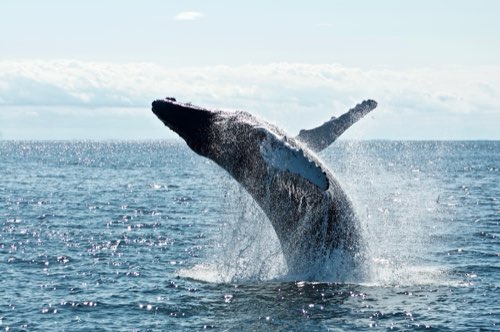




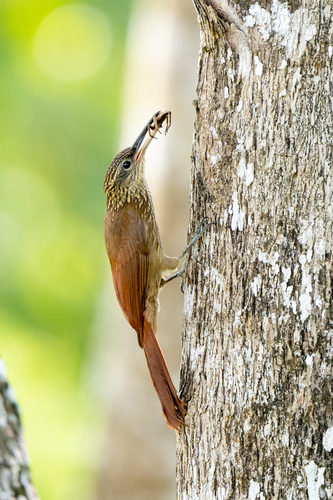


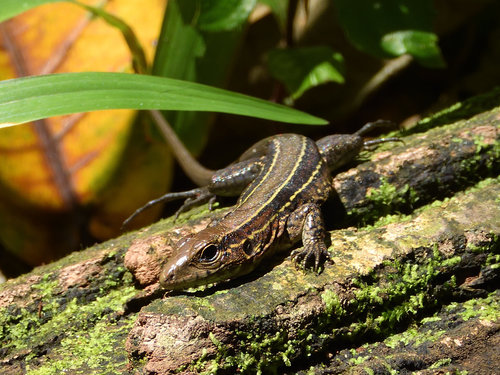


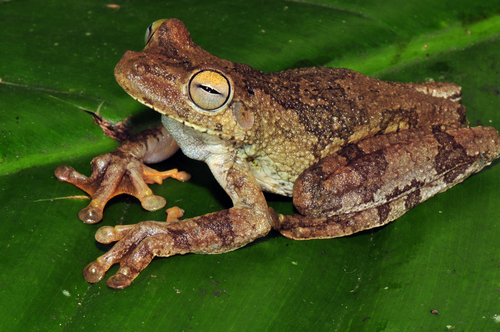


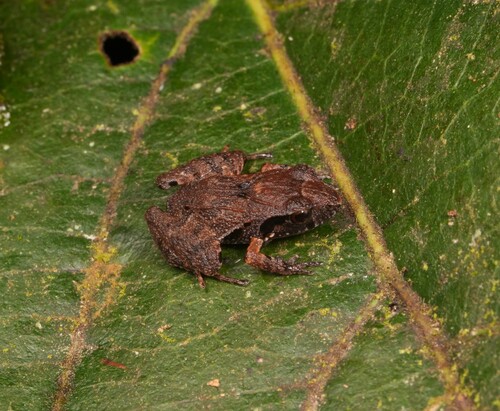




All 4 in 3 days here: ~80%
Corcovado National Park
🇨🇷 Costa Rica
Osa Peninsula, Costa Rica 1068 spp. recorded
Called “the most biologically intense place on Earth” by National Geographic, Corcovado protects the last major Pacific coastal rainforest in Central America. It is the only park in Costa Rica where all four monkey species coexist alongside jaguars, tapirs, and the largest wild scarlet macaw population in the country. One of the few remaining places where jaguars and pumas share territory.
8.508° N 83.542° W
🦜 Nature

592 Species sighted
119,464 Verified sightings From 2019 to 2026
Feb Best month
⭐ Iconic Species
📊 Most Spotted
⭐ Iconic Species
📊 Most Spotted
⭐ Iconic Species
📊 Most Spotted
📊 Most Spotted
📊 Most Spotted
📊 Most Spotted
🌙 Most active after dark
+ 553 more species with insufficient data
Challenges you can complete here
All 4 in 3 days here: ~60%


All 2 in 3 days here: ~40%

All 4 in 3 days here: ~40%
Recent sightings in Corcovado National Park
LIVEiNaturalistSighting Calendar
How many species you'd see in a day
66Jan
74Feb
73Mar
61Apr
62May
60Jun
66Jul
55Aug
56Sep
47Oct
53Nov
69Dec
* Sirena station (the main sector) typically closes in October due to heavy rains, adverse trail conditions, and annual maintenance. Other sectors like San Pedrillo and La Leona remain open with reduced services.
Sighting Zones
Warmer areas are where all species together are recorded most often.
-
Sector Sirena
Daily sight. prob.vs avg White-nosed Coati~80%+10%
 Collared Peccary~80%+30%
 Northern Tamandua~80%+10%
 Mantled Howler Monkey~70%+20%
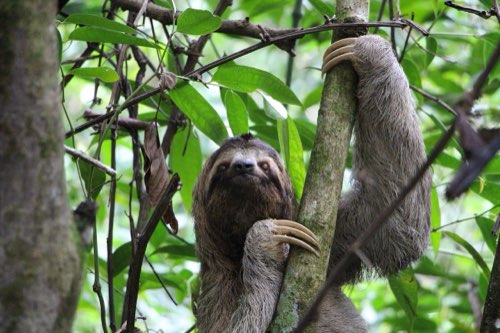
 Brown-throated Sloth~70%+30%
 Osa Anole~70%+10%
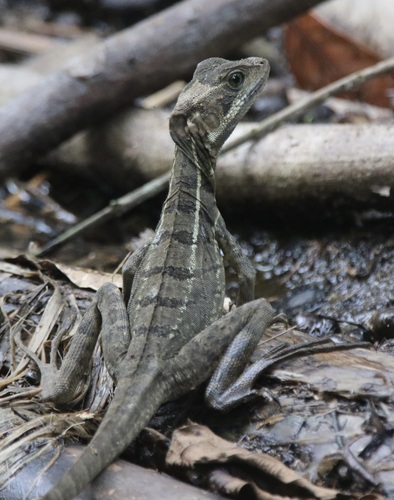
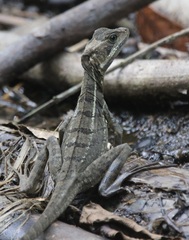 Common Basilisk~70%≈
 Common Caiman~60%+20%
 Chestnut-backed Antbird~60%≈
 Black Spiny-tailed Iguana~60%+20%
 Central American Agouti~50%+20%
 Common Black-Hawk~50%+10%
-
La Leona station
Daily sight. prob.vs avg- White-nosed Coati~80%≈
 Scarlet Macaw~70%≈
 Green and Black Dart-poison Frog~60%+30%
- Northern Tamandua~60%≈
 Central American White-faced Capuchin~60%+20%
 Central American Spider Monkey~60%-10%
 Baird's Tapir~60%-20%
- Osa Anole~60%≈
- Common Basilisk~60%-10%
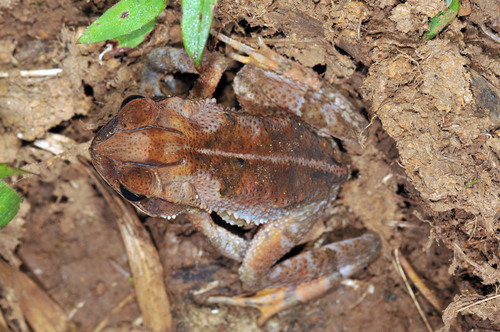
 Giant Marine Toad~50%+10%
 Central American Squirrel Monkey~50%-10%
- Common Black-Hawk~50%+10%
-
Danta Corcovado Lodge
Daily sight. prob.vs avg- Osa Anole~70%+10%
- Common Basilisk~70%≈
 Savage's Thin-toed Frog~60%+30%
- Scarlet Macaw~60%-10%
 Red-eyed Treefrog~60%+30%
 Black-mandibled Toucan~50%-10%
- Giant Marine Toad~50%+10%
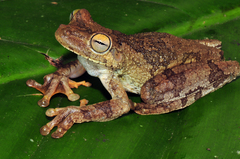 Rosenberg's Gladiator Frog~50%+20%
 Green Iguana~40%+20%
 Scarlet-rumped Tanager~40%-10%
- Central American Squirrel Monkey~40%-10%
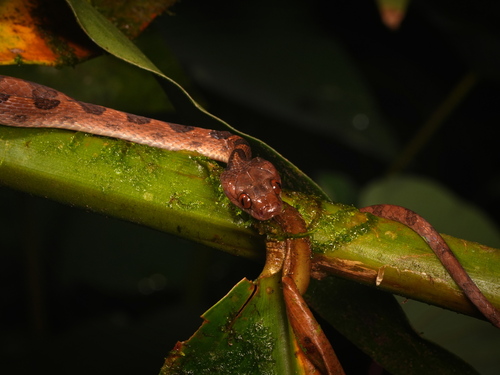
 Fer-de-lance~40%≈
-
San Pedrillo
Daily sight. prob.vs avg -
Laguna Peje Perrito
Daily sight. prob.vs avg- Central American Spider Monkey~70%≈
- Scarlet Macaw~60%-10%
- Common Basilisk~60%-10%
 Black Vulture~60%≈
- Baird's Tapir~50%-20%
- Central American White-faced Capuchin~50%+10%
- Central American Squirrel Monkey~50%≈
- White-nosed Coati~50%-20%
- Giant Marine Toad~50%+10%
- Black Spiny-tailed Iguana~50%+10%
- Rosenberg's Gladiator Frog~50%+10%
- Common Black-Hawk~40%≈

🏕️ Experience
Essentials
Entrance
Paid
Tourism
High
Typical stay
2–3
daysTrails
Moderate
World Heritage
No
Climate
Temp °C Rain mm
JanFebMarAprMayJunJulAugSepOctNovDec
0.0 Excellent
Wallace's Line Score
How good is this park for seeing wildlife? 🦜
Biodiversity
Very goodHow rich is the wildlife?
4.3
Species by taxon
🦅 Birds 661
🐒 Mammals 208
🦎 Reptiles 122
🐸 Amphibians 77
1068 Total Species
828 Global average across 316 parks
37 Threatened 66 Endemic
🔭
Sighting
ExcellentHow likely to see animals?
4.3
🎯
Top-12 Avg Probability
63% 📊
Coverage (293 species at ≥5% of 1068 in the inventory)
27% 🔀
Taxon variety in top 12 (5 mammal, 5 bird, 2 reptile)
83% 🔭
Species per 10 outings (distinct species a visitor would meet over 10 outings — effort held equal across parks)
165 🌟
Iconic-group species (≥15%) (every species from the 19 iconic groups — monkeys, cats, toucans, macaws, sloths, crocodilians… — not just the 4 highlighted above)
34 ⭐
High-prob species (>40%)
28 🏕️
Experience
GoodHow easy and pleasant is the visit?
3.3
Climate Mixed Medium
Entrance Paid Low
Tourism High Low
Trails Moderate Medium
World Heritage No —
What visitors say
Within 1km, we had seen three of Costa Rica’s four species of monkey: the agile spider monkey, the hear-it-before-you-see-it howler monkey, and the cute capuchin monkey (also referred to as carablanca, or white-faced monkey, in Central America).
Every day we saw toucans, Aracaris, chachalacas (forest chickens), hummingbirds, countless tanagers, parrots and the amazing scarlet macaws.
Then we head out on the trail – initially in the direction where the guide saw tapirs yesterday and a puma a few days ago.
The birds were everywhere mot mots, jacamars, curacaos, a trogon, and euphonias to start and we even saw some bats in a hollow tree..
Before you go
What animals can you see in Corcovado National Park?
1,068 species
Corcovado National Park has 1,068 recorded vertebrate species. The ones wildlife watchers report most often on a given day are White-nosed Coati (about 70%), Baird's Tapir (about 70%), Scarlet Macaw (about 70%), Central American Spider Monkey (about 70%) and Black-mandibled Toucan (about 60%). Among reptiles, the most-seen is Common Basilisk (about 60%); among amphibians, Giant Marine Toad (about 40%).
When is the best time to visit Corcovado National Park for wildlife?
February and June
In those months the park's 12 most-seen species average about 70% on a given day, against about 50% in October.
Can you see a Central American Spider Monkey in Corcovado National Park?
Yes
About 70% of wildlife watchers report a Central American Spider Monkey sighting in Corcovado National Park on a given day, based on 862 verified sightings from GBIF citizen-science data from 2019 to 2026. The best time is May–September and December–March (about 70%).
Can you see a Baird's Tapir in Corcovado National Park?
Yes
About 70% of wildlife watchers report a Baird's Tapir sighting in Corcovado National Park on a given day, based on 649 verified sightings from GBIF citizen-science data from 2019 to 2026. The best time is April to June (about 80%).
Can you see a Scarlet Macaw in Corcovado National Park?
Yes
About 70% of wildlife watchers report a Scarlet Macaw sighting in Corcovado National Park on a given day, based on 3,112 verified sightings from GBIF citizen-science data from 2019 to 2026. The best time is March and April (about 80%).
Can you see a Central American Squirrel Monkey in Corcovado National Park?
Yes
About 60% of wildlife watchers report a Central American Squirrel Monkey sighting in Corcovado National Park on a given day, based on 488 verified sightings from GBIF citizen-science data from 2019 to 2026. The best time is May (about 70%).
Where in Corcovado National Park is wildlife easiest to see?
Around Sector Sirena
The richest sighting zone is around Sector Sirena, followed by La Leona station and Danta Corcovado Lodge, ranked by how many of the park's headline animals visitors can expect to see in each. See the zones on the map.
Is Corcovado National Park good for wildlife watching?
4.3 out of 5
On the Wallace's Line Score, Corcovado National Park rates 4.3/5: 69th of 316 parks worldwide and 7th in Central America. 39 of its species are reported by about 40% or more of wildlife watchers on a given day.