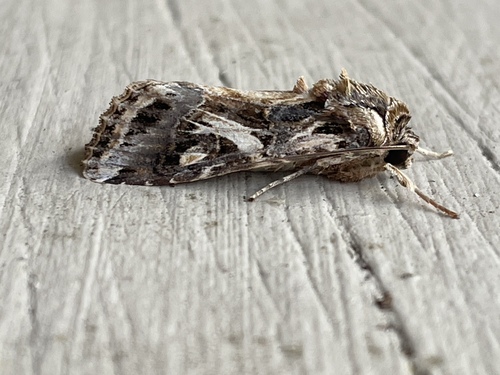
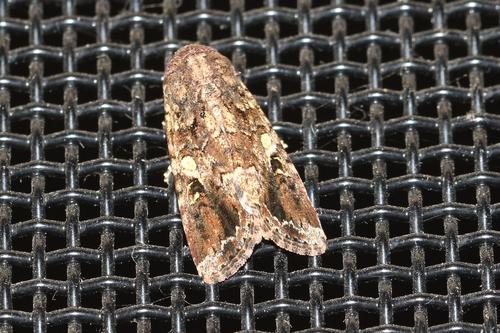
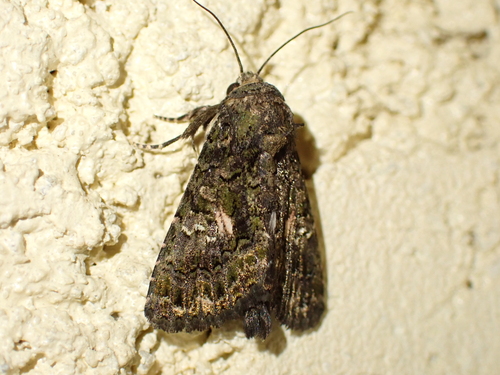
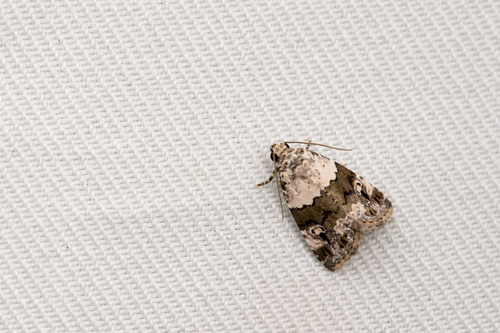
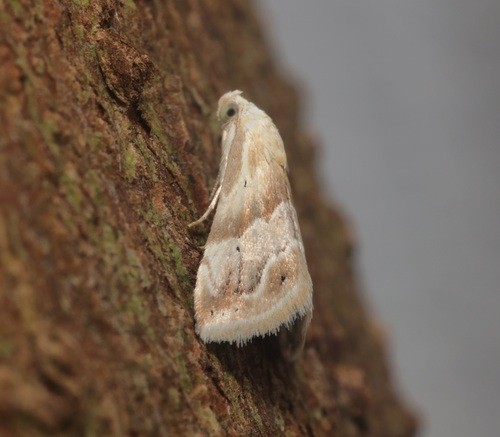
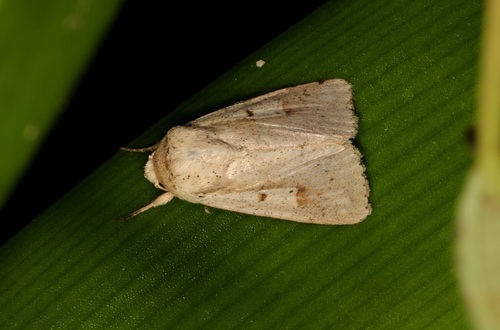
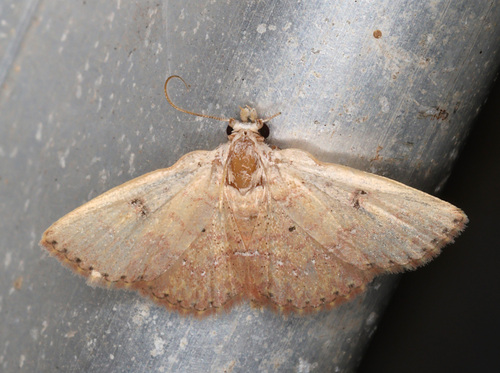
African Armyworm Moth

African Armyworm Moth

Spodoptera exempta

Daily sighting probability ~10% · With luck
at Daintree National Park

In 3 days ~20% in a week ~40%

8 Verified sightings at Daintree National Park From 2019 to 2026
8 In 1 park
February Best month
🌙 Nocturnal When it's spotted

About the African Armyworm Moth

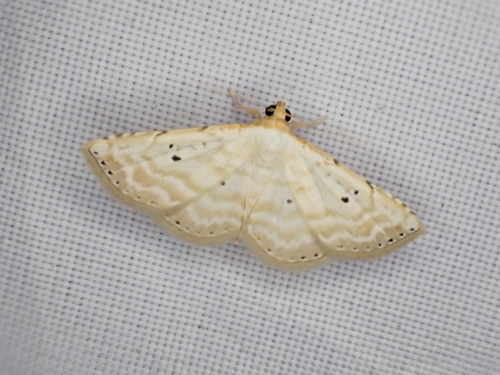
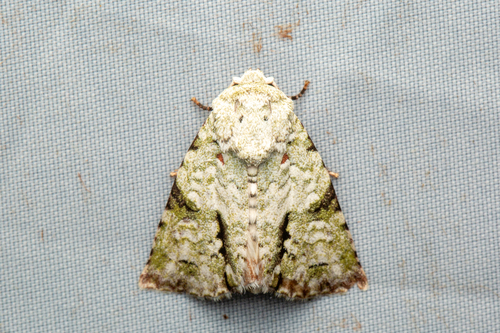
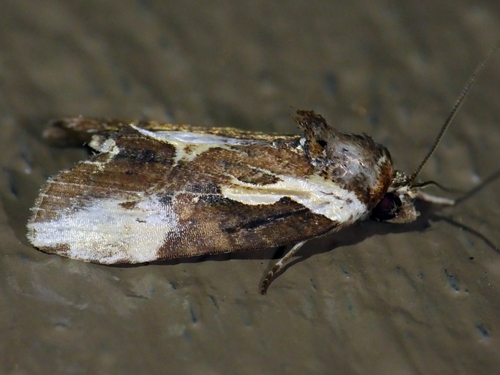
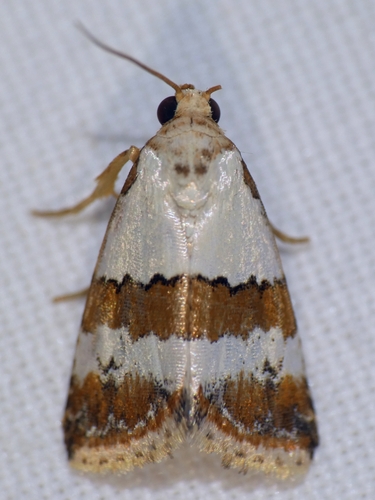
The African armyworm (Spodoptera exempta), also called okalombo, kommandowurm, or nutgrass armyworm, is a species of moth of the family Noctuidae. The larvae often exhibit marching behavior when traveling to feeding sites, leading to the common name "armyworm". The caterpillars exhibit density-dependent polyphenism where larvae raised in isolation are green, while those raised in groups are black. These phases are termed solitaria and gregaria, respectively. Gregaria caterpillars are considered very deleterious pests, capable of destroying entire crops in a matter of weeks. The larvae feed on all types of grasses, early stages of cereal crops (e.g., corn, rice, wheat, millet, sorghum), sugarcane, and occasionally on coconut. The solitaria caterpillars are less active and undergo much slower development. The species is commonly found in Africa, but can also be seen in Yemen, some Pacific islands, and parts of Australia. African armyworm outbreaks tend to be devastating for farmland and pasture in these areas, with the highest-density outbreaks occurring during the rainy season after periods of prolonged drought. During the long dry seasons ("off-season"), the population densities are very low and no outbreaks are seen. Wikipedia →

Global Distribution

Parks Where Found

# Park Country Daily sighting probability
1 Daintree National Park 🇦🇺 Australia
~10%

More parks will be added in future updates.

Before you go

What are the chances of seeing an African Armyworm Moth in Daintree National Park?

With luck

About 10% of wildlife watchers report an African Armyworm Moth sighting in Daintree National Park on a given day, based on 8 verified sightings from GBIF citizen-science data from 2019 to 2026. It is the 511th most-seen of the 856 insects we can rate there. Over three days the chance rises to about 20%, and over a week to about 40%, if each day is a fresh chance.

When is the best time to see an African Armyworm Moth in Daintree National Park?

January and February

In those months about 20% of wildlife watchers report an African Armyworm Moth in Daintree National Park on a given day, against under 5% in March–April, June, August–September and December, the lowest months. Those are among Daintree National Park's wettest months, with about 310 mm of rain a month against 50 mm in September.

What time of day is best to see an African Armyworm Moth?

Between 8 and 11 pm

Across all the parks we cover, that three-hour window holds the most African Armyworm Moth sightings with a recorded time, and nearly all of them come between 6 pm and 6 am: it is mostly seen at night.

Where else can you see an African Armyworm Moth?

Only Daintree National Park, in our data

Daintree National Park is the only park on Wallace's Line with enough records to rate African Armyworm Moth sightings: about 10% of wildlife watchers there report one on a given day.

Which relatives of the African Armyworm Moth live in Daintree National Park?

Same genus: Spodoptera

The closest relatives of the African Armyworm Moth that you can see in Daintree National Park (genus Spodoptera, Armyworm Moths) are Oriental Leafworm Moth (about 10%), Lawn Armyworm Moth (about 10%) and Lily Caterpillar Moth (about 10%), with each one's daily chance of a sighting.

Where does the African Armyworm Moth sighting chance come from?

GBIF citizen-science records

It is estimated from how often the African Armyworm Moth is recorded against all the insects logged in Daintree National Park (8 verified sightings from 2019 to 2026), calibrated against known sighting rates. Figures are rounded to the nearest 10% because citizen-science data supports honest approximations, not decimals, and months with records from fewer than five people show "—". How it works.

← Back to Daintree National Park