Giant Petaltail

Giant Petaltail

Petalura ingentissima

Daily sighting probability ~10% · With luck
at Daintree National Park

In 3 days ~20% in a week ~40%

12 Verified sightings at Daintree National Park From 2019 to 2026
12 In 1 park
January Best month
☀️ Diurnal When it's spotted

About the Giant Petaltail

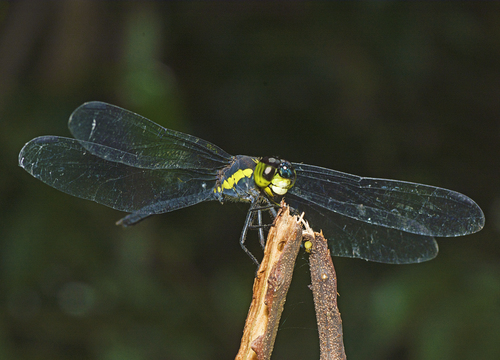
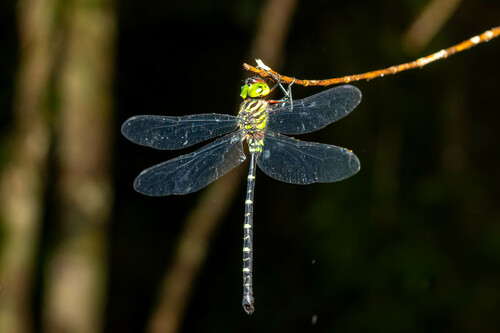
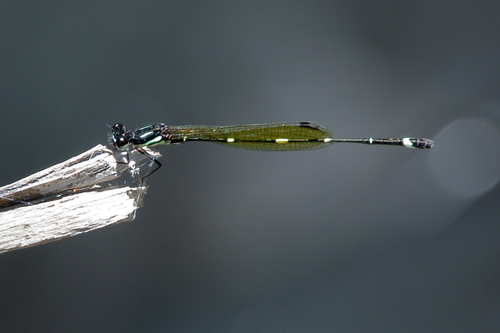
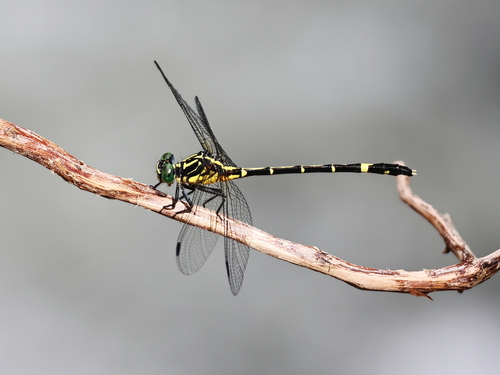
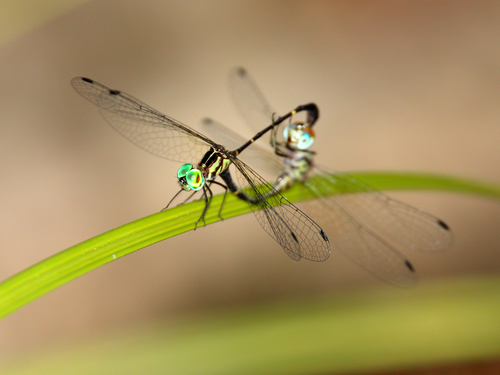
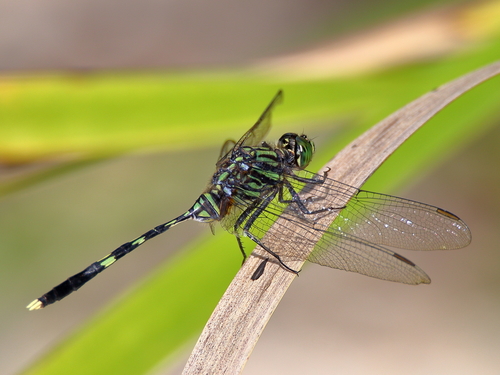
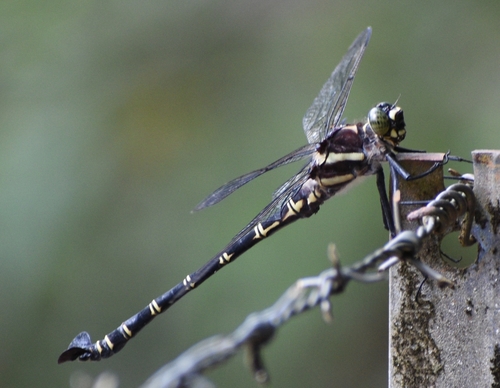
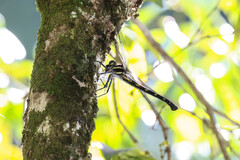
Petalura ingentissima, the giant petaltail, has been described as the world's largest dragonfly, with a wingspan of 160 mm. It is found in Queensland, Australia. Dr R.J. Tillyard described the giant petaltail in 1908. Its species name is derived from the Latin adjective ingens "huge". It is one of five species in the Australian genus Petalura.

A large, heavily built dragonfly, the giant petaltail has a black body with some yellow markings. The female's wingspan can be 158–162 mm and body length 125 mm, the largest dragonfly species in overall dimensions although members of the genus Tetracanthagyna can have longer wings and Chlorogomphus papilio a larger wing area.

Measuring 5.9–6.3 cm long, the larvae are unusual in that they live in burrows along the river margin and hunt passing prey. The genus name Petalura is derived from the Greek πέταλον (petalon, "leaf") and οὐρά (oura, "tail"), referring to the leaf-shaped appendages.

The species name ingentissima is the superlative form of the Latin ingens ("enormous"), referring to the species being much larger than Petalura gigantea. List of Odonata species of Australia Wikipedia →
Global Distribution

Parks Where Found

# Park Country Daily sighting probability
1 Daintree National Park 🇦🇺 Australia
~10%

More parks will be added in future updates.

Before you go

What are the chances of seeing a Giant Petaltail in Daintree National Park?

With luck

About 10% of wildlife watchers report a Giant Petaltail sighting in Daintree National Park on a given day, based on 12 verified sightings from GBIF citizen-science data from 2019 to 2026. It is the 566th most-seen of the 856 insects we can rate there. Over three days the chance rises to about 20%, and over a week to about 40%, if each day is a fresh chance.

When is the best time to see a Giant Petaltail in Daintree National Park?

January

In that month about 30% of wildlife watchers report a Giant Petaltail in Daintree National Park on a given day, against under 5% in March to November, the lowest months. That is one of Daintree National Park's wettest months, with about 380 mm of rain against 50 mm in September.

What time of day is best to see a Giant Petaltail?

Between 9 am and noon

Across all the parks we cover, that three-hour window holds the most Giant Petaltail sightings with a recorded time, and about 8 in 10 of them come between 6 am and 6 pm: it is a daytime animal.

Where else can you see a Giant Petaltail?

Only Daintree National Park, in our data

Daintree National Park is the only park on Wallace's Line with enough records to rate Giant Petaltail sightings: about 10% of wildlife watchers there report one on a given day.

Which relatives of the Giant Petaltail live in Daintree National Park?

Same order: Odonata

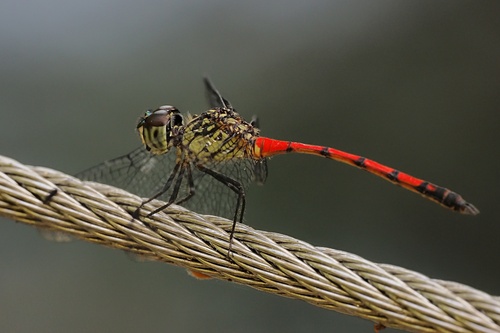
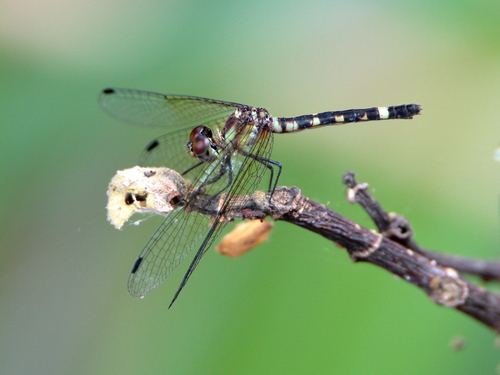
The closest relatives of the Giant Petaltail that you can see in Daintree National Park (order Odonata, Dragonflies and Damselflies) are Fiery Skimmer (about 30%), Painted Grasshawk (about 30%) and Tropical Rockmaster (about 20%), with each one's daily chance of a sighting.

Where does the Giant Petaltail sighting chance come from?

GBIF citizen-science records

It is estimated from how often the Giant Petaltail is recorded against all the insects logged in Daintree National Park (12 verified sightings from 2019 to 2026), calibrated against known sighting rates. Figures are rounded to the nearest 10% because citizen-science data supports honest approximations, not decimals, and months with records from fewer than five people show "—". How it works.

← Back to Daintree National Park