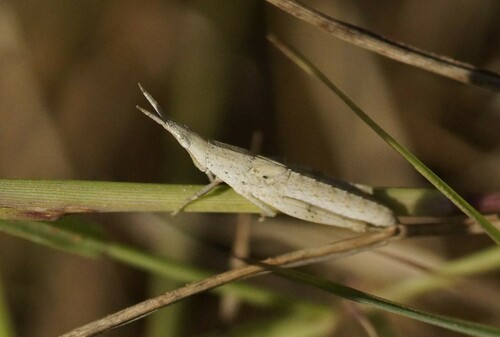
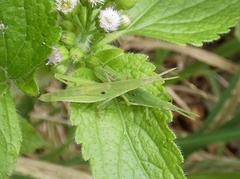
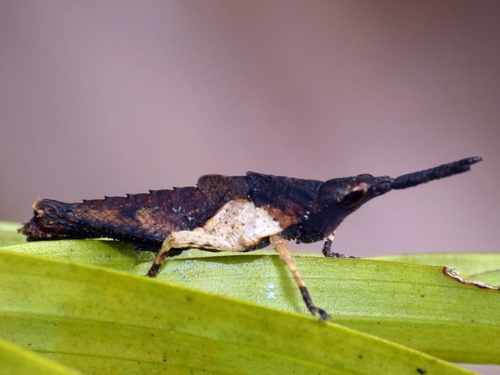
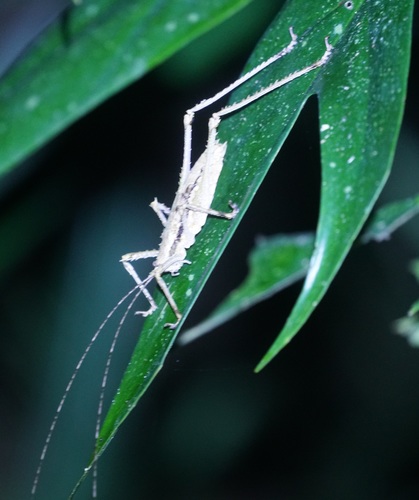
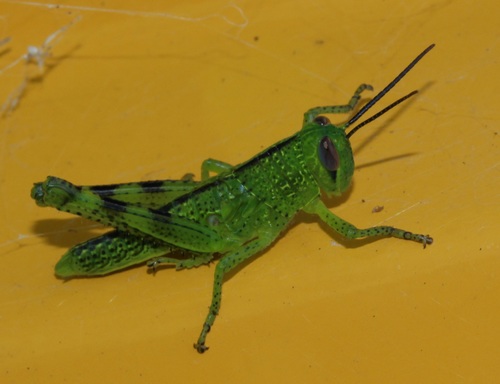
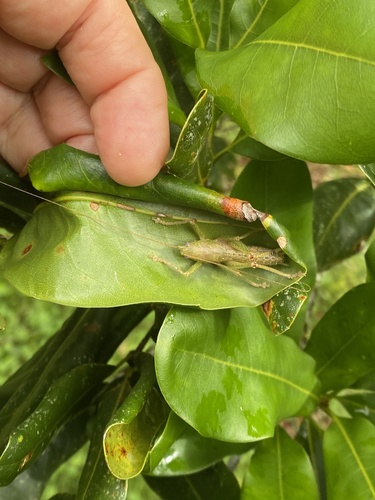
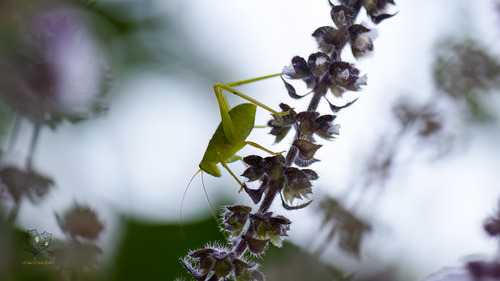
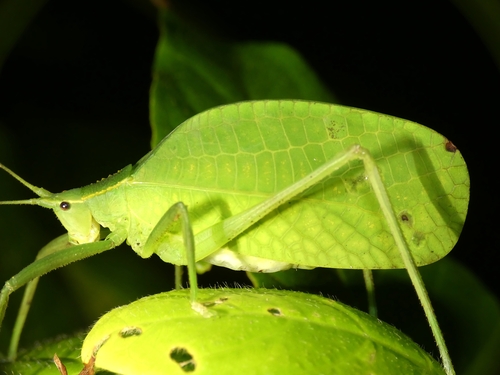
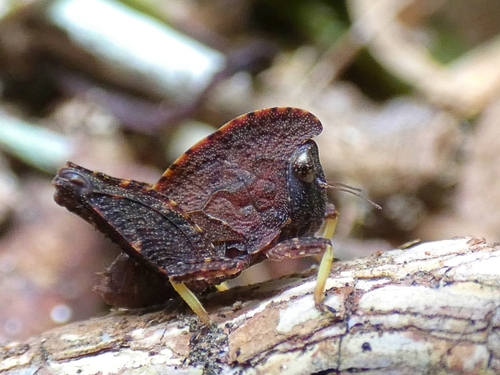
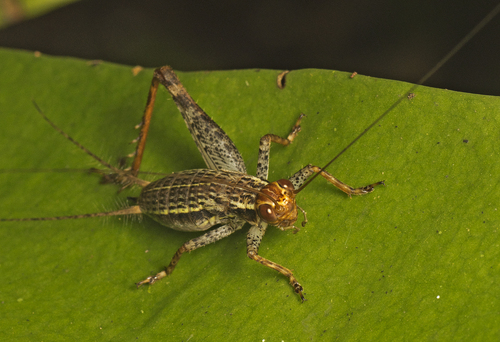
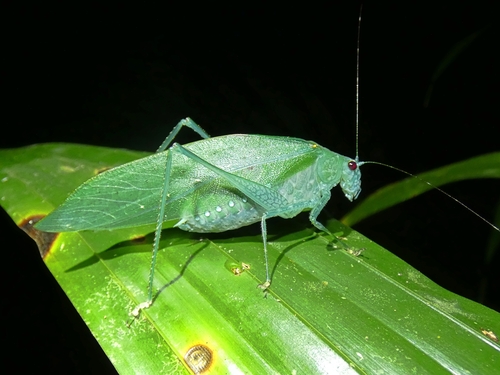
Northern Grass Pyrgomorph

Northern Grass Pyrgomorph

Atractomorpha similis

Daily sighting probability ~10% · With luck
at Daintree National Park

In 3 days ~20% in a week ~50%

11 Verified sightings at Daintree National Park From 2019 to 2026
11 In 1 park
August Best month
☀️🌙 Day & Night When it's spotted

About the Northern Grass Pyrgomorph

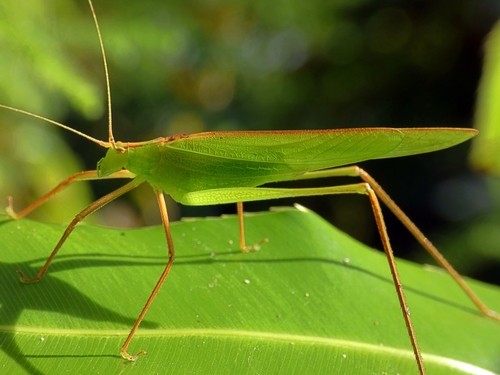
Atractomorpha similis, commonly known as the northern grass pyrgomorph, is a species of grasshopper in the genus Atractomorpha. It occurs in Australia. Atractomorpha similis is a member of the genus Atractomorpha, which is part of family Pyrgomorphidae. First described by Bolívar in 1884, it was long classified as a southern variant of A. crenaticeps. However, in 1960 Banerjee and Kevan distinguished it on morphological grounds. Synonyms include A. australiana and A. dentifrons.

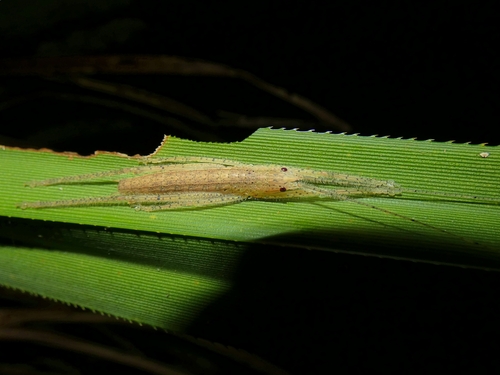
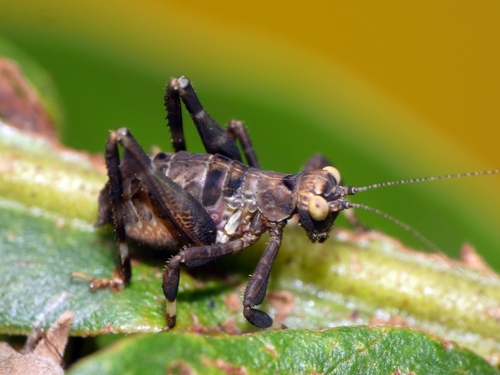
Atractomorpha similis averages 40 millimetres (1.6 in) in length. The species' compact body is tapered at the head and abdomen. This grasshopper relies on camouflage to avoid predators, rarely attempting escape. Atractomorpha similis (as with other members of its genus) is depauperate in heterochromatin, though the total amount of that DNA varies between populations. The species is highly polymorphic in its chromosomes, each of which exists in 10 to 50 morphs. Males from Australia carry between one and ten extra copies of chromosome A9, with one being the most common in natural populations.

Atractomorpha similis is a tropical and temperate grasshopper... Wikipedia →

Global Distribution

Parks Where Found

# Park Country Daily sighting probability
1 Daintree National Park 🇦🇺 Australia
~10%

More parks will be added in future updates.

Cities Where Found

# City Country Daily sighting probability
1 Brisbane 🇦🇺 Australia
<5%

Before you go

What are the chances of seeing a Northern Grass Pyrgomorph in Daintree National Park?

With luck

About 10% of wildlife watchers report a Northern Grass Pyrgomorph sighting in Daintree National Park on a given day, based on 11 verified sightings from GBIF citizen-science data from 2019 to 2026. It is the 376th most-seen of the 856 insects we can rate there. Over three days the chance rises to about 20%, and over a week to about 50%, if each day is a fresh chance.

When is the best time to see a Northern Grass Pyrgomorph in Daintree National Park?

August

In that month about 20% of wildlife watchers report a Northern Grass Pyrgomorph in Daintree National Park on a given day, against under 5% in March and September–December, the lowest months. That is one of Daintree National Park's driest months, with about 60 mm of rain against 380 mm in January.

What time of day is best to see a Northern Grass Pyrgomorph?

Between 8 and 11 am

Across all the parks we cover, that three-hour window holds the most Northern Grass Pyrgomorph sightings with a recorded time, and about half of them come between 6 am and 6 pm: it is seen both by day and at night.

Where else can you see a Northern Grass Pyrgomorph?

Only Daintree National Park, in our data

Daintree National Park is the only park on Wallace's Line with enough records to rate Northern Grass Pyrgomorph sightings: about 10% of wildlife watchers there report one on a given day.

Where does the Northern Grass Pyrgomorph sighting chance come from?

GBIF citizen-science records

It is estimated from how often the Northern Grass Pyrgomorph is recorded against all the insects logged in Daintree National Park (11 verified sightings from 2019 to 2026), calibrated against known sighting rates. Figures are rounded to the nearest 10% because citizen-science data supports honest approximations, not decimals, and months with records from fewer than five people show "—". How it works.

← Back to Daintree National Park