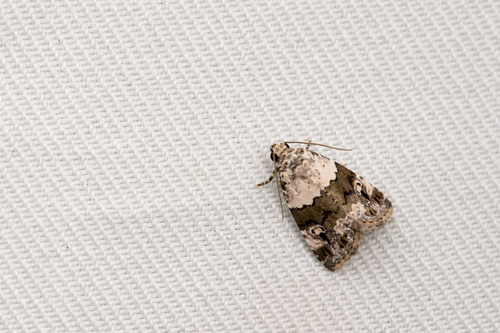
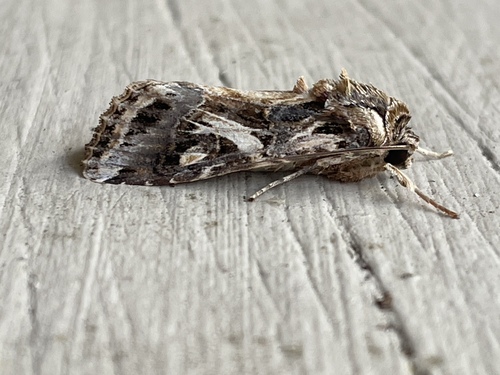
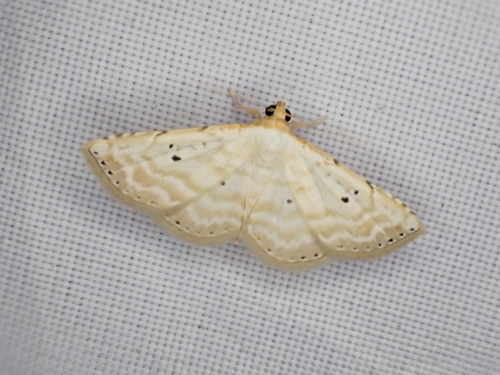
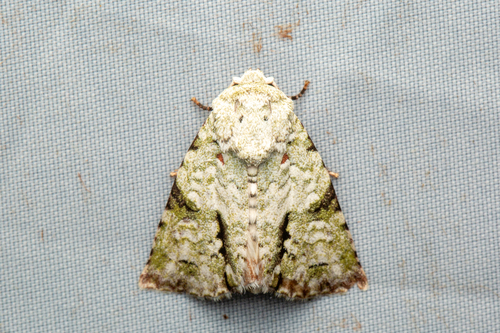
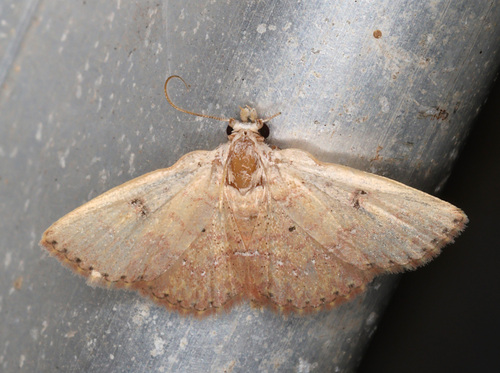
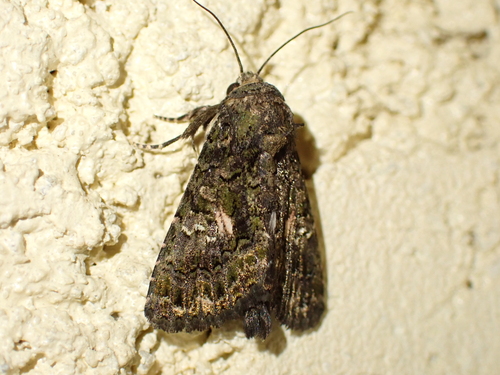
Oriental Eight-Spot

Oriental Eight-Spot

Amyna axis

Daily sighting probability ~10% · With luck
at Daintree National Park

In 3 days ~20% in a week ~30%

5 Verified sightings at Daintree National Park From 2019 to 2026
12 In all 2 parks
May Best month
🌙 Nocturnal When it's spotted

About the Oriental Eight-Spot

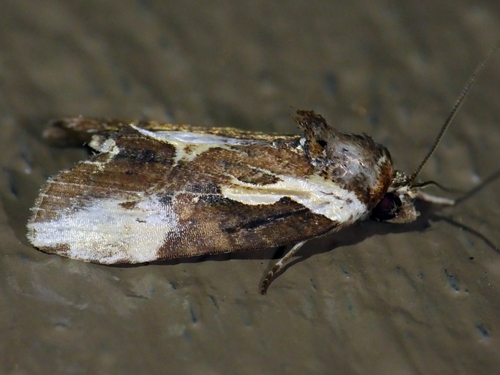
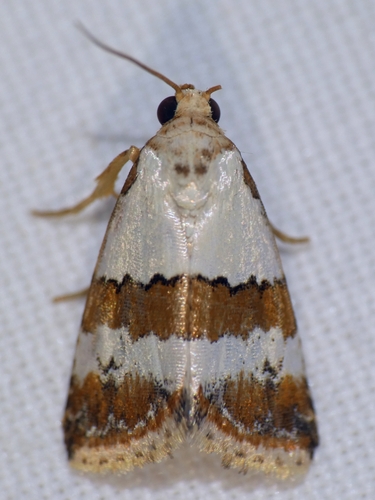
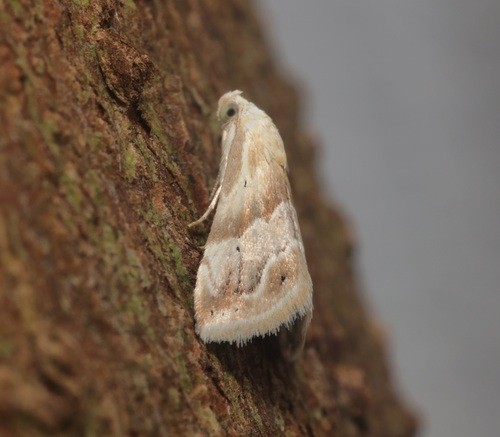
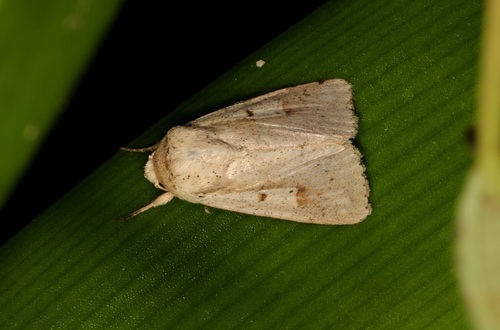
Amyna axis, the oriental eight-spot, is a moth of the family Noctuidae. The species was first described by Achille Guenée in 1852. It occurs in Africa, temperate Asia, Australia and the Cook Islands. The New World population of Amyna axis was determined to be a separate species, Amyna stricta, in 2015.

The moth migrates north each year in late summer and fall. The larvae feed on Amaranthus, Croton, Celosia, Digera, Helianthus, Chenopodium, Spinacia, Ipomoea, Ricinus, Arachis, Crotalaria, Medicago, Phaseolus, Hibiscus, Cardiospermum, Solanum, Corchorus and Parasponia species.

It is an irregular minor pest of mung beans (Vigna radiata), black-eyed peas (Vigna unguiclata), lucerne (Medicago sativa) and soy beans (Glycine max). Its prevalence may be under reported due to the resemblance of the caterpillar with those of Chrysoieixis species.

The larvae are thin bodied and have faint white stripes and two pairs of ventral prolegs. At low densities of groups, caterpillars are pale green. Among caterpillars at high densities, there are higher frequencies of melanistic phenotypes. The degree of blackening varied widely, ranging from individuals... Wikipedia →
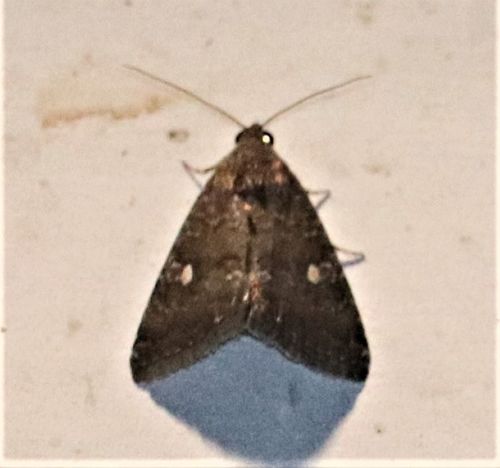
Global Distribution

Parks Where Found

# Park Country Daily sighting probability
1 Daintree National Park 🇦🇺 Australia
~10%
2 Kruger National Park 🇿🇦 South Africa
<5%

Cities Where Found

# City Country Daily sighting probability
1 Durban 🇿🇦 South Africa
<5%
2 Tokyo 🇯🇵 Japan
<5%

Before you go

What are the chances of seeing an Oriental Eight-Spot in Daintree National Park?

With luck

About 10% of wildlife watchers report an Oriental Eight-Spot sighting in Daintree National Park on a given day, based on 5 verified sightings from GBIF citizen-science data from 2019 to 2026. It is the 745th most-seen of the 856 insects we can rate there. Over three days the chance rises to about 20%, and over a week to about 30%, if each day is a fresh chance.

When is the best time to see an Oriental Eight-Spot in Daintree National Park?

January–February and April–May

In those months about 10% of wildlife watchers report an Oriental Eight-Spot in Daintree National Park on a given day, against under 5% in March and June–December, the lowest months. Those are among Daintree National Park's wettest months, with about 220 mm of rain a month against 50 mm in September.

What time of day is best to see an Oriental Eight-Spot?

Between 7 and 10 pm

Across all the parks we cover, that three-hour window holds the most Oriental Eight-Spot sightings with a recorded time, and nearly all of them come between 6 pm and 6 am: it is mostly seen at night.

Is Daintree National Park the best place to see an Oriental Eight-Spot?

Yes

Of the 2 parks where we can rate Oriental Eight-Spot sightings, Daintree National Park has the highest daily chance: about 10%. Next come Kruger National Park (South Africa, under 5%).

Which relatives of the Oriental Eight-Spot live in Daintree National Park?

Same family: Noctuidae

The closest relatives of the Oriental Eight-Spot that you can see in Daintree National Park (family Noctuidae, Cutworm Moths and Allies) are The Sorcerer (about 10%), Maliattha signifera (about 10%) and Oriental Leafworm Moth (about 10%), with each one's daily chance of a sighting.

Where does the Oriental Eight-Spot sighting chance come from?

GBIF citizen-science records

It is estimated from how often the Oriental Eight-Spot is recorded against all the insects logged in Daintree National Park (5 verified sightings from 2019 to 2026), calibrated against known sighting rates. Figures are rounded to the nearest 10% because citizen-science data supports honest approximations, not decimals, and months with records from fewer than five people show "—". How it works.

← Back to Daintree National Park