
Western Black Horse Fly

Western Black Horse Fly

Tabanus punctifer

Daily sighting probability ~40% · Likely
at Death Valley National Park

In 3 days ~70% in a week >90%

72 Verified sightings at Death Valley National Park From 2019 to 2026
80 In all 2 parks
June Best month
☀️ Diurnal When it's spotted

About the Western Black Horse Fly

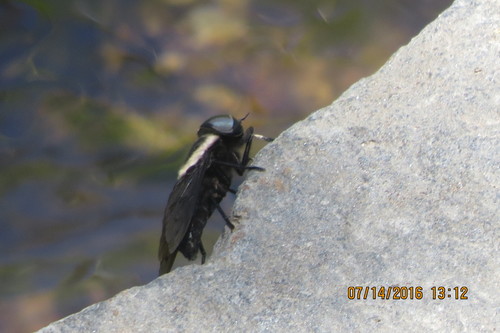
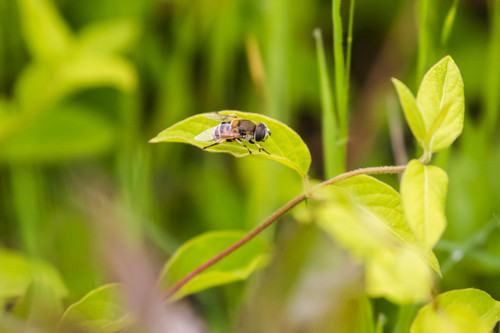
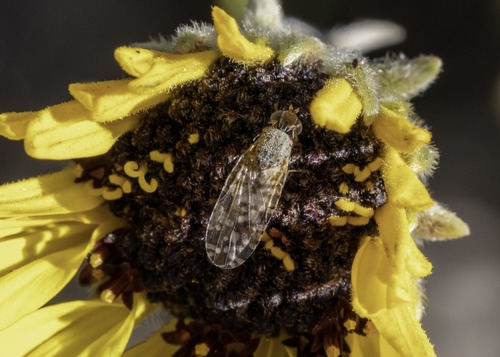
Tabanus punctifer, commonly known as the western horse fly, is a species of horse fly in the family Tabanidae. This species of horse fly is approximately 20.5 mm (0.8 in) long. They are typically found throughout the southern and western parts of the United States. They can be found between Utah and Mexico, and between California and Texas. The thorax is covered with long hairs that give it a creamy white color, while the abdomen is completely black. Much like other horse fly species, the Tabanus punctifer female requires a blood meal for the development of their eggs. Females will bite horses, livestock, and humans, making them vectors of disease for pathogens and parasites.

Canada, United States and Mexico. Wikipedia →

Global Distribution

Parks Where Found

# Park Country Daily sighting probability
1 Death Valley National Park 🇺🇸 United States
~40%
2 Saguaro National Park 🇺🇸 United States
<5%

Cities Where Found

# City Country Daily sighting probability
1 Salt Lake City 🇺🇸 United States
~10%
2 Sacramento 🇺🇸 United States
<5%
3 Denver 🇺🇸 United States
<5%
4 Phoenix 🇺🇸 United States
<5%
5 San Francisco 🇺🇸 United States
<5%
6 Los Angeles 🇺🇸 United States
<5%

Before you go

What are the chances of seeing a Western Black Horse Fly in Death Valley National Park?

Likely

About 40% of wildlife watchers report a Western Black Horse Fly sighting in Death Valley National Park on a given day, based on 72 verified sightings from GBIF citizen-science data from 2019 to 2026. It is the 9th most-seen of the 108 insects we can rate there. Over three days the chance rises to about 70%, and over a week to over 90%, if each day is a fresh chance.

When is the best time to see a Western Black Horse Fly in Death Valley National Park?

June

In that month about 50% of wildlife watchers report a Western Black Horse Fly in Death Valley National Park on a given day, against under 5% in August and November–February, the lowest months. That is one of Death Valley National Park's driest months, with about 5 mm of rain against 30 mm in March.

What time of day is best to see a Western Black Horse Fly?

Between 11 am and 2 pm

Across all the parks we cover, that three-hour window holds the most Western Black Horse Fly sightings with a recorded time, and about 9 in 10 of them come between 6 am and 6 pm: it is a daytime animal.

Is Death Valley National Park the best place to see a Western Black Horse Fly?

Yes

Of the 2 parks where we can rate Western Black Horse Fly sightings, Death Valley National Park has the highest daily chance: about 40%. Next come Saguaro National Park (United States, under 5%).

Where does the Western Black Horse Fly sighting chance come from?

GBIF citizen-science records

It is estimated from how often the Western Black Horse Fly is recorded against all the insects logged in Death Valley National Park (72 verified sightings from 2019 to 2026), calibrated against known sighting rates. Figures are rounded to the nearest 10% because citizen-science data supports honest approximations, not decimals, and months with records from fewer than five people show "—". How it works.

← Back to Death Valley National Park