Death Valley National Park
🇺🇸 United States
North America, United States 671 spp. recorded
Death Valley National Park is a vast desert reserve in the western United States, defined by salt flats, gravel fans, and eroded mountain ranges. Across these arid basins and sparse scrublands, resilient wildlife adapts to extreme heat by restricting activity to cooler hours and shaded rocky crevices.
36.648° N 117.233° W
🦜 Nature

365 Species sighted
33,243 Verified sightings From 2019 to 2026
Sep Best month
⭐ Iconic Species


📊 Most Spotted





⭐ Iconic Species
📊 Most Spotted





📊 Most Spotted


⭐ Iconic Species
📊 Most Spotted




📊 Most Spotted


📊 Most Spotted
⭐ Iconic Species
🌙 Most active after dark





+ 415 more species with insufficient data
Recent sightings in Death Valley National Park
LIVEiNaturalistSighting Calendar
How many species you'd see in a day
31Jan
40Feb
45Mar
50Apr
57May
47Jun
34Jul
38Aug
60Sep
58Oct
43Nov
29Dec
Sighting Zones
Warmer areas are where all species together are recorded most often.
-
Crystal Boardwalk
Daily sight. prob.vs avg -
Point of Rocks Spring
Daily sight. prob.vs avg Common Side-blotched Lizard>90%+10%
 Yellow-backed Spiny Lizard~70%+30%
 Woodhouse's Toad~70%+50%
 Zebra-tailed Lizard~60%-10%
 Desert Cottontail~60%+30%
 White-tailed Antelope Squirrel~60%+30%
 American Bullfrog~50%+40%
 Western Whiptail~50%+10%
 Black-tailed Jackrabbit~40%+10%
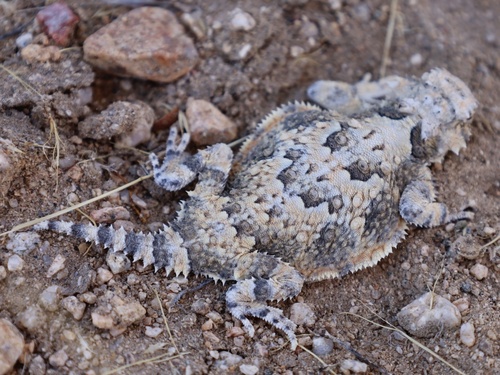
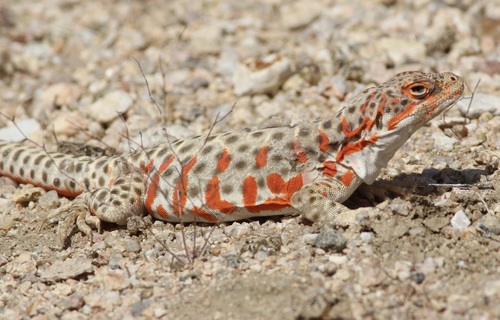
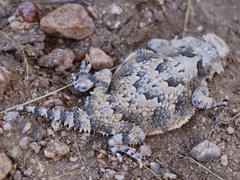 Desert Horned Lizard~40%-10%
 Coyote~30%-40%
 Bighorn Sheep~30%-20%
-
Mesquite Flat Sand Dunes
-
Furnace Creek Ranch · The Ranch at Death Valley
Daily sight. prob.vs avg -
Badwater
Daily sight. prob.vs avg






🏕️ Experience
Essentials
Entrance
Paid
Tourism
High
Typical stay
1–2
daysTrails
Moderate
World Heritage
No
Climate
Temp °C Rain mm
JanFebMarAprMayJunJulAugSepOctNovDec
0.0 Good
Wallace's Line Score
How good is this park for seeing wildlife? 🦜
Biodiversity
ExcellentHow rich is the wildlife?
4.7
Species by taxon
🦅 Birds 479
🐒 Mammals 114
🦎 Reptiles 65
🐸 Amphibians 13
671 Total Species
828 Global average across 316 parks
28 Threatened 27 Endemic
🔭
Sighting
Very goodHow likely to see animals?
3.4
🎯
Top-12 Avg Probability
67% 📊
Coverage (177 species at ≥5% of 671 in the inventory)
26% 🔀
Taxon variety in top 12 (6 bird, 5 reptile, 1 mammal)
76% 🔭
Species per 10 outings (distinct species a visitor would meet over 10 outings — effort held equal across parks)
108 🌟
Iconic-group species (≥15%) (every species from the 19 iconic groups — monkeys, cats, toucans, macaws, sloths, crocodilians… — not just the 4 highlighted above)
6 ⭐
High-prob species (>40%)
23 🏕️
Experience
GoodHow easy and pleasant is the visit?
3.3
Climate Mixed Medium
Entrance Paid Low
Tourism High Low
Trails Moderate Medium
World Heritage No —
What visitors say
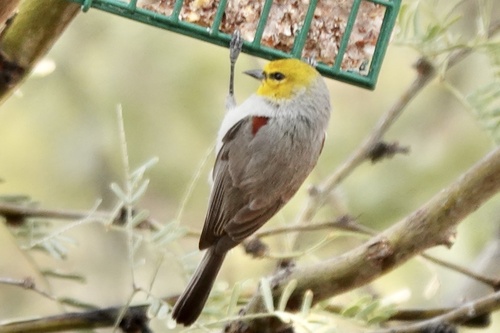
Expand image Verdin Across one of the two main ponds, we spotted what looked like a small squat Say's Phoebe from afar, but we scrutinized the fella--more precisely, gal--to pieces because we already knew that a Vermilion Flycatcher had been reported.
I finally really realized how much I had missed not being there for a full decade on Day 3 of my visit, when I got to Keane Wonder Mine and saw a pair of chuckwallas getting ready to do the "muskrat love." I'd seen chuckwallas, or a lone male, once before, 20 years ago — at Keane Wonder Mine.
The 3.3-mile trail was beautiful, challenging and fun – a Death Valley must-do hike that we would rate five-out-of-five boots!
It was dark when we got to Death Valley, and the dark in that park is VERY DARK.
Before you go
What animals can you see in Death Valley National Park?
671 species
Death Valley National Park has 671 recorded vertebrate species. The ones wildlife watchers report most often on a given day are Common Side-blotched Lizard (about 90%), Common Raven (about 80%), Zebra-tailed Lizard (about 80%), Coyote (about 70%) and Common Chuckwalla (about 70%). Among amphibians, the most-seen is Western Toad (about 40%).
When is the best time to visit Death Valley National Park for wildlife?
March to May
In those months the park's 12 most-seen species average about 70% on a given day, against about 40% in December.
Can you see a Common Chuckwalla in Death Valley National Park?
Yes
About 70% of wildlife watchers report a Common Chuckwalla sighting in Death Valley National Park on a given day, based on 296 verified sightings from GBIF citizen-science data from 2019 to 2026. The best time is February to April (about 80%).
Can you see a Sidewinder in Death Valley National Park?
Yes
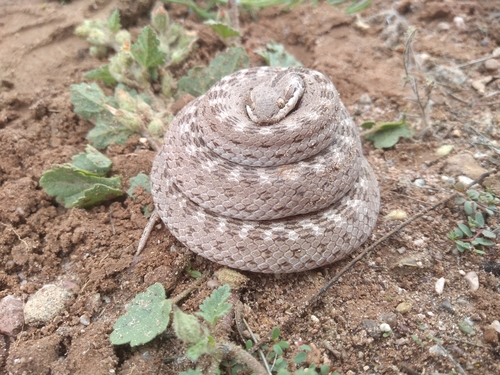
About 40% of wildlife watchers report a Sidewinder sighting in Death Valley National Park on a given day, based on 99 verified sightings from GBIF citizen-science data from 2019 to 2026. The best time is July (about 80%).
Can you see a Coyote in Death Valley National Park?
Yes
About 70% of wildlife watchers report a Coyote sighting in Death Valley National Park on a given day, based on 261 verified sightings from GBIF citizen-science data from 2019 to 2026. The best time is July to January (about 80%).
Where in Death Valley National Park is wildlife easiest to see?
Around Crystal Boardwalk
The richest sighting zone is around Crystal Boardwalk, followed by Point of Rocks Spring and Mesquite Flat Sand Dunes, ranked by how many of the park's headline animals visitors can expect to see in each. See the zones on the map.
Is Death Valley National Park good for wildlife watching?
3.7 out of 5
On the Wallace's Line Score, Death Valley National Park rates 3.7/5: 156th of 316 parks worldwide and 14th in North America. 30 of its species are reported by about 40% or more of wildlife watchers on a given day.


