Phoebus Apollo

Phoebus Apollo

Parnassius phoebus

Daily sighting probability ~10% · With luck
at Denali National Park

In 3 days ~40% in a week ~60%

10 Verified sightings at Denali National Park From 2019 to 2026
100 In all 4 parks
August Best month
☀️ Diurnal When it's spotted

About the Phoebus Apollo

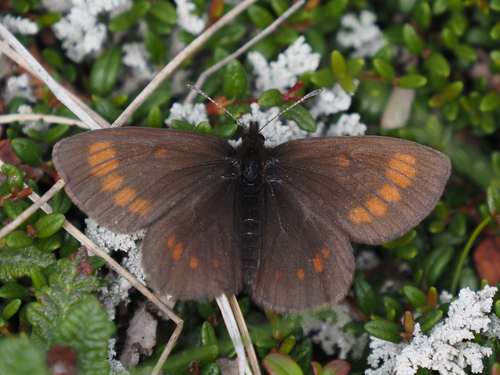
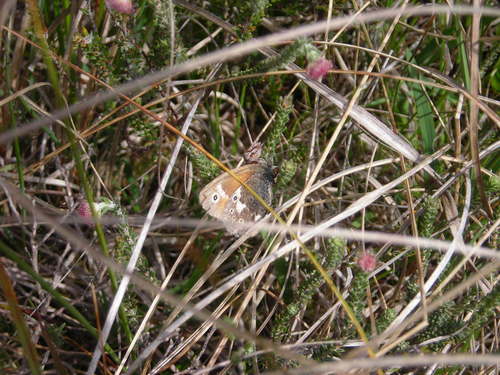
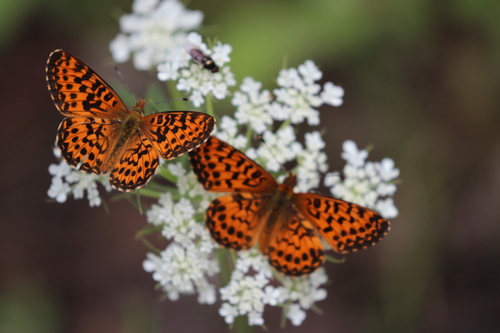
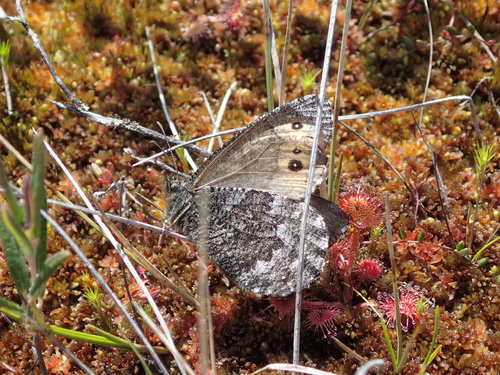
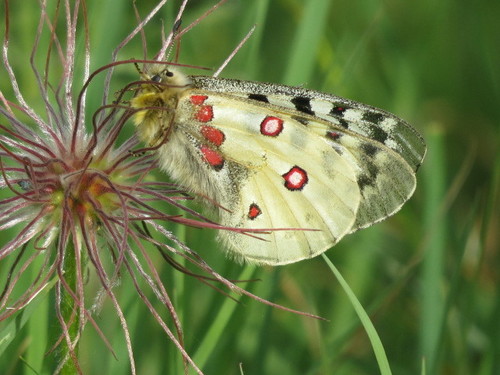
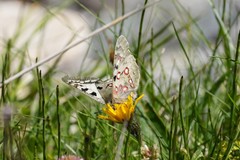
Parnassius phoebus, known as the Phoebus Apollo or small Apollo, is a butterfly species of the swallowtail butterfly family, Papilionidae, found in the Palearctic and North America. P. phoebus is found in the Alps, Urals, Siberia, Kazakhstan, Mongolia, China, Alaska and Canada south into the northern United States.

Male: the costal spots of forewing usually without red, the anterior one sometimes with white pupil; submarginal band faint and abbreviated or interrupted; no spot at hind margin; hindwing with red ocelli which are usually small, and sometimes with a submarginal row of feebly marked black spots; the veins often marked with well-defined elongate black punctures.

Female: with better defined and more extended markings; vitreous margin of forewing separated from the submarginal band by large white uniform spots; the second costal spots often pupilled red, connected with one another by black scaling, on disc sometimes blackish shadows; on hindwing a greyish vitreous marginal band, distinct submarginal half-moons, which are contiguous, forming a band, two larger red ocelli, the posterior one occasionally with white pupil; anal spots sometimes intensified and... Wikipedia →
Global Distribution

Parks Where Found

# Park Country Daily sighting probability
1 Hohe Tauern National Park 🇦🇹 Austria
~40%
2 Vanoise National Park 🇫🇷 France
~20%
3 Denali National Park 🇺🇸 United States
~10%
4 Mercantour National Park 🇫🇷 France
~10%

Before you go

What are the chances of seeing a Phoebus Apollo in Denali National Park?

With luck

About 10% of wildlife watchers report a Phoebus Apollo sighting in Denali National Park on a given day, based on 10 verified sightings from GBIF citizen-science data from 2019 to 2026. It is the 19th most-seen of the 36 insects we can rate there. Over three days the chance rises to about 40%, and over a week to about 60%, if each day is a fresh chance.

When is the best time to see a Phoebus Apollo in Denali National Park?

July and August

In those months about 20% of wildlife watchers report a Phoebus Apollo in Denali National Park on a given day, against under 5% in March–June and September–October, the lowest months. Those are among Denali National Park's wettest months, with about 170 mm of rain a month against 45 mm in April. November to February have too few records to rate.

What time of day is best to see a Phoebus Apollo?

Between 10 am and 1 pm

Across all the parks we cover, that three-hour window holds the most Phoebus Apollo sightings with a recorded time, and nearly all of them come between 6 am and 6 pm: it is a daytime animal.

Is Denali National Park the best place to see a Phoebus Apollo?

3rd of 4

Of the 4 parks where we can rate Phoebus Apollo sightings, Denali National Park ranks 3rd at about 10%. The best odds are in Hohe Tauern National Park (Austria, about 40%) and Vanoise National Park (France, about 20%).

Which relatives of the Phoebus Apollo live in Denali National Park?

Same family: Papilionidae

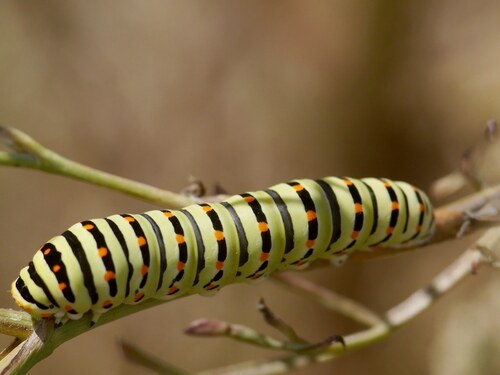
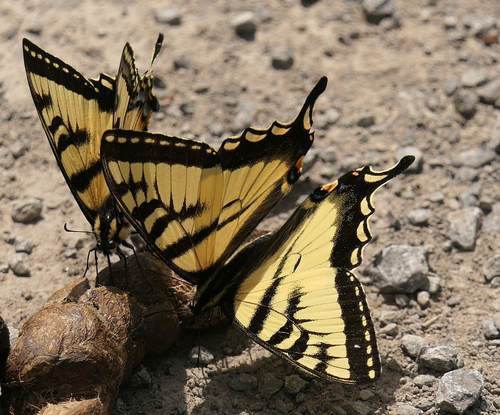
The closest relatives of the Phoebus Apollo that you can see in Denali National Park (family Papilionidae, Swallowtails and Parnassians) are Old World Swallowtail (about 10%) and Canadian Tiger Swallowtail (about 10%), with each one's daily chance of a sighting.

Where does the Phoebus Apollo sighting chance come from?

GBIF citizen-science records

It is estimated from how often the Phoebus Apollo is recorded against all the insects logged in Denali National Park (10 verified sightings from 2019 to 2026), calibrated against known sighting rates. Figures are rounded to the nearest 10% because citizen-science data supports honest approximations, not decimals, and months with records from fewer than five people show "—". How it works.

← Back to Denali National Park