





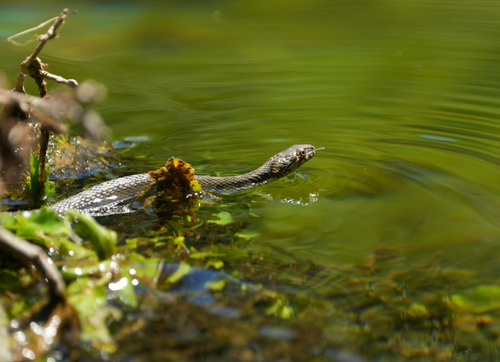


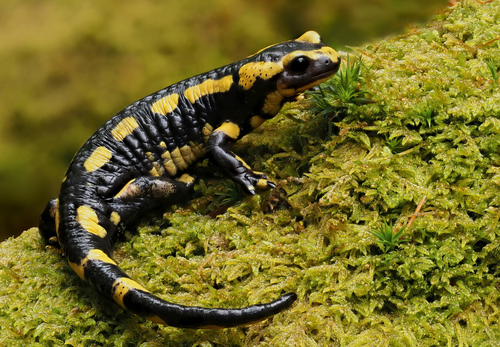


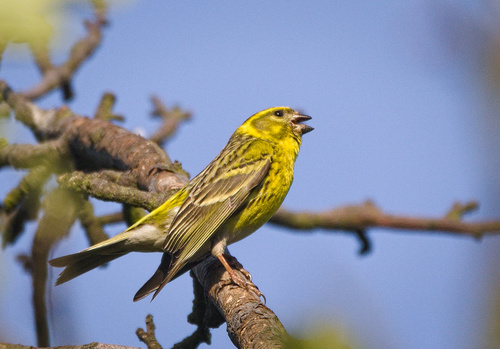




All 3 in 3 days here: >90%
Mercantour National Park
🇫🇷 France
Western Europe, France 491 spp. recorded
Mercantour National Park is a protected mountain reserve in the French Alps, stretching along the Italian border through dramatic granite peaks and deep alpine valleys. Pine forests, open meadows, and rocky ridges define the terrain, crossed by traditional footpaths that wind past high glacial lakes.
44.054° N 7.443° E
🦜 Nature

188 Species sighted
6,928 Verified sightings From 2019 to 2026
Jul Best month
⭐ Iconic Species
📊 Most Spotted
⭐ Iconic Species
📊 Most Spotted
📊 Most Spotted
📊 Most Spotted
📊 Most Spotted
📊 Most Spotted
+ 375 more species with insufficient data
Challenges you can complete here
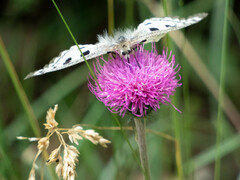
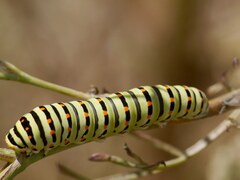
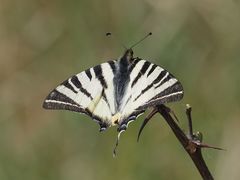
All 3 in 3 days here: ~20%


All 5 in 3 days here: ~10%

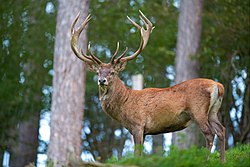


All 4 in 3 days here: ~10%
Recent sightings in Mercantour National Park
LIVEiNaturalistSighting Calendar
How many species you'd see in a day
15Jan
35Feb
18Mar
36Apr
50May
92Jun
102Jul
81Aug
67Sep
54Oct
34Nov
25Dec
Sighting Zones
Warmer areas are where all species together are recorded most often.
-
Isola 2000
Daily sight. prob.vs avg -
Cime de la Bonette





🏕️ Experience
Essentials
Entrance
Free
Tourism
High
Typical stay
1–2
daysTrails
Hard
World Heritage
No
Climate
Temp °C Rain mm
JanFebMarAprMayJunJulAugSepOctNovDec
0.0 Good
Wallace's Line Score
How good is this park for seeing wildlife? 🦜
Biodiversity
GoodHow rich is the wildlife?
3.6
Species by taxon
🦅 Birds 328
🐒 Mammals 104
🦎 Reptiles 37
🐸 Amphibians 22
491 Total Species
828 Global average across 316 parks
29 Threatened 11 Endemic
🔭
Sighting
GoodHow likely to see animals?
3.1
🎯
Top-12 Avg Probability
64% 📊
Coverage (143 species at ≥5% of 491 in the inventory)
29% 🔀
Taxon variety in top 12 (6 bird, 3 mammal, 2 amphibian, 1 reptile)
87% 🔭
Species per 10 outings (distinct species a visitor would meet over 10 outings — effort held equal across parks)
75 🌟
Iconic-group species (≥15%) (every species from the 19 iconic groups — monkeys, cats, toucans, macaws, sloths, crocodilians… — not just the 4 highlighted above)
6 ⭐
High-prob species (>40%)
19 🏕️
Experience
GoodHow easy and pleasant is the visit?
2.8
Climate Harsh Low
Entrance Free High
Tourism High Low
Trails Hard Low
World Heritage No —
What visitors say
Marmots grazed peacefully, sometimes not even running away when they saw us.
On a day hike in Argentina with nine-month-old Heron on Joce’s back, we came across a remote alpine hut that served mini-pizzas and lemon meringue pie, and we’ve been craving a return to something similar every summer since.
Sure, the petroglyphs tugged at my curiosity, but honestly, I was just as eager to spot wildlife—marmots, chamois, maybe even an ibex if I got lucky.
I will take you on a half-day sightseeing trek to get a close look at the native wildlife of the French Alps in the Mercantour National Park!
Before you go
What animals can you see in Mercantour National Park?
491 species
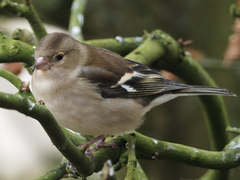
Mercantour National Park has 491 recorded vertebrate species. The ones wildlife watchers report most often on a given day are Northern Chamois (about 80%), Alpine Marmot (about 80%), Alpine Ibex (about 80%), European Common Frog (about 80%) and Chaffinch (about 70%). Among reptiles, the most-seen is Common Wall Lizard (about 50%).
When is the best time to visit Mercantour National Park for wildlife?
June to August
In those months the park's 12 most-seen species average about 70% on a given day, against about 40% in December and January.
Can you see a Northern Chamois in Mercantour National Park?
Yes
About 80% of wildlife watchers report a Northern Chamois sighting in Mercantour National Park on a given day, based on 424 verified sightings from GBIF citizen-science data from 2019 to 2026. The best time is February–March, June, August and November–December (about 90%).
Can you see an Alpine Ibex in Mercantour National Park?
Yes
About 80% of wildlife watchers report an Alpine Ibex sighting in Mercantour National Park on a given day, based on 346 verified sightings from GBIF citizen-science data from 2019 to 2026. The best time is August and September (about 90%).
Can you see an Alpine Marmot in Mercantour National Park?
Yes
About 80% of wildlife watchers report an Alpine Marmot sighting in Mercantour National Park on a given day, based on 345 verified sightings from GBIF citizen-science data from 2019 to 2026. The best time is June to September (about 90%).
Can you see a Gray Wolf in Mercantour National Park?
With luck
About 10% of wildlife watchers report a Gray Wolf sighting in Mercantour National Park on a given day, based on 36 verified sightings from GBIF citizen-science data from 2019 to 2026. The best time is May, August–September and November–February (about 20%). Sightings take luck and time in the field.
Where in Mercantour National Park is wildlife easiest to see?
Around Camping Sotto il Faggio
The richest sighting zone is around Camping Sotto il Faggio, followed by Collet du Guérin and Isola 2000, ranked by how many of the park's headline animals visitors can expect to see in each. See the zones on the map.
Is Mercantour National Park good for wildlife watching?
3.3 out of 5
On the Wallace's Line Score, Mercantour National Park rates 3.3/5: 252nd of 316 parks worldwide and 9th in Europe. 23 of its species are reported by about 40% or more of wildlife watchers on a given day.