Black Oystercatcher

Black Oystercatcher

Haematopus bachmani

Silhouette: terngirl · PhyloPic

Daily sighting probability <5% · Rare
at El Vizcaíno Biosphere Reserve

In 3 days ~10% in a week ~30%

58 Verified sightings at El Vizcaíno Biosphere Reserve From 2019 to 2026
5,924 In all 8 parks
May Best month
☀️ Diurnal When it's spotted

About the Black Oystercatcher

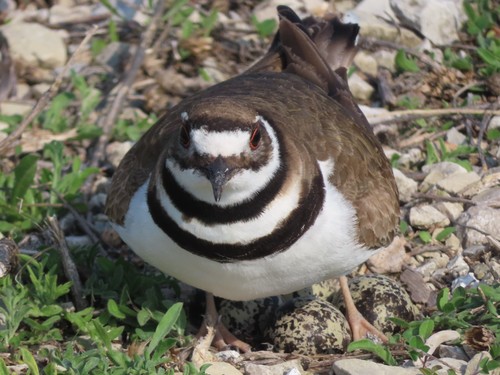
The black oystercatcher (Haematopus bachmani) is a conspicuous black bird found on the shoreline of western North America, ranging from the Aleutian Islands of Alaska to the coast of the Baja California peninsula. It is the only representative of the oystercatcher family (Haematopodidae) over most of its range, overlapping slightly with the American oystercatcher (H. palliatus) on the coast of Baja California. Within its range it is most commonly referred to as the black oystercatcher, although this name is also used locally for the blackish oystercatcher and the African oystercatcher. Its scientific name was derived by John James Audubon from that of his friend John Bachman.

Although the species is not considered threatened, its global population is estimated between 8,900–11,000. It is a species of high conservation concern throughout its range (U.S., Canadian, Alaskan, and Northern & Southern Pacific Shorebird Conservation Plans), a keystone indicator species along the north Pacific shoreline, a management indicator species in the Chugach National Forest, and a U.S. Fish & Wildlife Service focal species for priority conservation action.

The black oystercatcher... Wikipedia →

Sounds

Call1:10

Canada · 2019

© Barry Edmonston · XC469350 · CC BY-NC-SA 4.0

Song0:12

United States · 2026

© Manuel Grosselet · XC1090700 · CC BY-NC-SA 4.0

Flight call0:13

United States · 2015

© Paul Marvin · XC282104 · CC BY-NC-SA 4.0

Global Distribution

Parks Where Found

# Park Country Daily sighting probability
1 Pacific Rim National Park Reserve 🇨🇦 Canada
~40%
2 Kenai Fjords National Park 🇺🇸 United States
~30%
3 Channel Islands National Park 🇺🇸 United States
~30%
4 Olympic National Park 🇺🇸 United States
~20%
5 Great Bear Rainforest 🇨🇦 Canada
~20%
6 Redwood National Park 🇺🇸 United States
~10%
7 Katmai National Park 🇺🇸 United States
~10%
8 El Vizcaíno Biosphere Reserve 🇲🇽 Mexico
<5%

Cities Where Found

# City Country Daily sighting probability
1 San Francisco 🇺🇸 United States
~10%
2 San Diego 🇺🇸 United States
~10%
3 Los Angeles 🇺🇸 United States
<5%
4 Vancouver 🇨🇦 Canada
<5%
5 Seattle 🇺🇸 United States
<5%

Zoos & Centres Where Found

# Zoo / Centre Country
1 Lisbon Oceanarium 🇵🇹 Portugal In captivity
2 Bronx Zoo 🇺🇸 United States In captivity
3 Woodland Park Zoo 🇺🇸 United States In captivity
4 Oregon Coast Aquarium 🇺🇸 United States In captivity
5 Alaska SeaLife Center 🇺🇸 United States In captivity
6 Monterey Bay Aquarium 🇺🇸 United States In captivity
7 Seattle Aquarium 🇺🇸 United States In captivity
8 Seattle Marine Aquarium 🇺🇸 United States In captivity

Before you go

What are the chances of seeing a Black Oystercatcher in El Vizcaíno Biosphere Reserve?

Rare

Under 5% of wildlife watchers report a Black Oystercatcher sighting in El Vizcaíno Biosphere Reserve on a given day, based on 58 verified sightings from GBIF citizen-science data from 2019 to 2026. It is the 142nd most-seen of the 237 birds we can rate there. Over three days the chance rises to about 10%, and over a week to about 30%, if each day is a fresh chance.

When is the best time to see a Black Oystercatcher in El Vizcaíno Biosphere Reserve?

May

In that month about 20% of wildlife watchers report a Black Oystercatcher in El Vizcaíno Biosphere Reserve on a given day, against under 5% in February–March, June–August and December, the lowest months.

What time of day is best to see a Black Oystercatcher?

Between 9 am and noon

Across all the parks we cover, that three-hour window holds the most Black Oystercatcher sightings with a recorded time, and about 9 in 10 of them come between 6 am and 6 pm: it is a daytime animal.

Where does the Black Oystercatcher sighting chance come from?

GBIF citizen-science records

It is estimated from how often the Black Oystercatcher is recorded against all the birds logged in El Vizcaíno Biosphere Reserve (58 verified sightings from 2019 to 2026), calibrated against known sighting rates. Figures are rounded to the nearest 10% because citizen-science data supports honest approximations, not decimals, and months with records from fewer than five people show "—". How it works.

← Back to El Vizcaíno Biosphere Reserve