Cape Gopher Snake

Cape Gopher Snake

Pituophis vertebralis

Silhouette: Alex Slavenko · PhyloPic

LCLeast ConcernNTVUENCR Endemic
Daily sighting probability ~20% · Possible
at El Vizcaíno Biosphere Reserve

In 3 days ~40% in a week ~70%

10 Verified sightings at El Vizcaíno Biosphere Reserve From 2019 to 2026
10 In 1 park
November Best month
☀️ Diurnal When it's spotted

About the Cape Gopher Snake

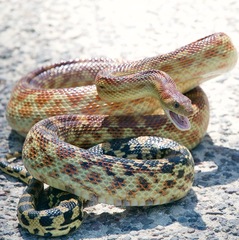
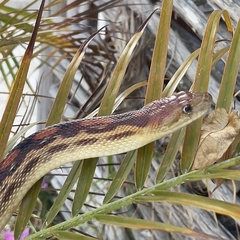
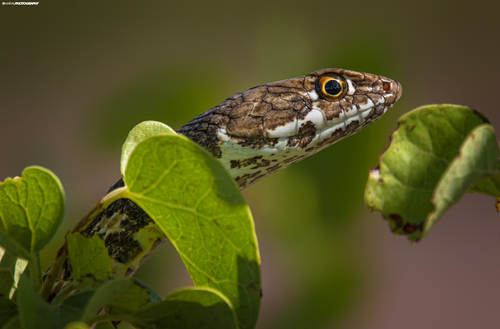
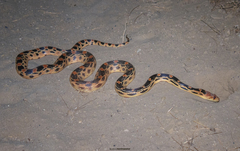
The Cape gopher snake or Baja gopher snake (Pituophis vertebralis) is a species of nonvenomous colubrid snake endemic to extreme southern Baja California Sur, Mexico. They have become increasingly popular companions for people interested in the exotic pet trade, due to their extreme color variations and relatively docile behavior. It was previously considered to be a subspecies of Pituophis catenifer.

There has been controversy whether the Baja Gopher Snake is a lower classification of the Cape Gopher Snake. Some say the Baja Gopher Snake should be in a separate sub-species of Pituophis Vertebralis Bimaris, while Cape Gopher Snakes should remain Pituophis Vertebralis Vertebralis.

Many people mistake the two as the same sub species and have cased some cross-breeding between the two. In captivity the bloodlines are nearly all related and breeding has become especially difficult in terms of keeping the bloodlines alive.

The Cape gopher snake is named after the location of its natural habitat, the Baja California Peninsula. Here, the snake can only be found at high elevations on the southern tip of the peninsula, where temperatures usually remain a mild 78 °F (25.5 °C... Wikipedia →

Global Distribution

Parks Where Found

# Park Country Daily sighting probability
1 El Vizcaíno Biosphere Reserve 🇲🇽 Mexico
~20%

More parks will be added in future updates.

Before you go

What are the chances of seeing a Cape Gopher Snake in El Vizcaíno Biosphere Reserve?

Possible

About 20% of wildlife watchers report a Cape Gopher Snake sighting in El Vizcaíno Biosphere Reserve on a given day, based on 10 verified sightings from GBIF citizen-science data from 2019 to 2026. It is the 8th most-seen of the 20 reptiles we can rate there. Over three days the chance rises to about 40%, and over a week to about 70%, if each day is a fresh chance.

When is the best time to see a Cape Gopher Snake in El Vizcaíno Biosphere Reserve?

November

In that month about 40% of wildlife watchers report a Cape Gopher Snake in El Vizcaíno Biosphere Reserve on a given day, against under 5% in May–June, August–October and December–January, the lowest months.

What time of day is best to see a Cape Gopher Snake?

Between 9 am and noon

Across all the parks we cover, that three-hour window holds the most Cape Gopher Snake sightings with a recorded time, and about 8 in 10 of them come between 6 am and 6 pm: it is a daytime animal.

Where else can you see a Cape Gopher Snake?

Only El Vizcaíno Biosphere Reserve, in our data

El Vizcaíno Biosphere Reserve is the only park on Wallace's Line with enough records to rate Cape Gopher Snake sightings: about 20% of wildlife watchers there report one on a given day.

Which relatives of the Cape Gopher Snake live in El Vizcaíno Biosphere Reserve?

Same family: Colubridae

The closest relatives of the Cape Gopher Snake that you can see in El Vizcaíno Biosphere Reserve (family Colubridae, Colubrid Snakes) are Baja California Coachwhip (about 20%), Western Patch-nosed Snake (about 20%) and Variable Sand Snake (about 10%), with each one's daily chance of a sighting.

Where does the Cape Gopher Snake sighting chance come from?

GBIF citizen-science records

It is estimated from how often the Cape Gopher Snake is recorded against all the reptiles logged in El Vizcaíno Biosphere Reserve (10 verified sightings from 2019 to 2026), calibrated against known sighting rates. Figures are rounded to the nearest 10% because citizen-science data supports honest approximations, not decimals, and months with records from fewer than five people show "—". How it works.

← Back to El Vizcaíno Biosphere Reserve