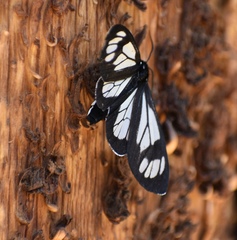
Police Car Moth

Police Car Moth

Gnophaela vermiculata

Daily sighting probability ~40% · Likely
at Elk Island National Park

In 3 days ~80% in a week >90%

70 Verified sightings at Elk Island National Park From 2019 to 2026
547 In all 7 parks
July Best month
☀️ Diurnal When it's spotted

About the Police Car Moth

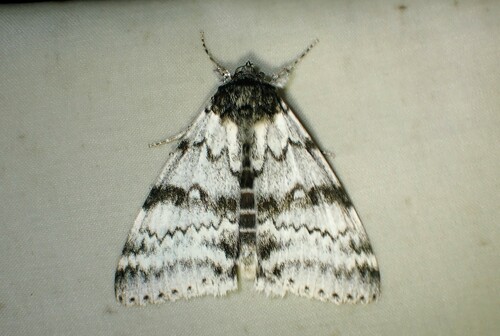
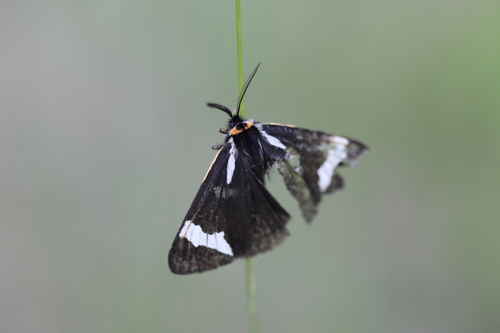
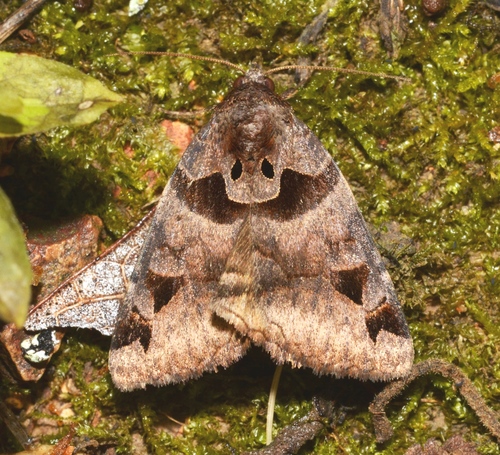
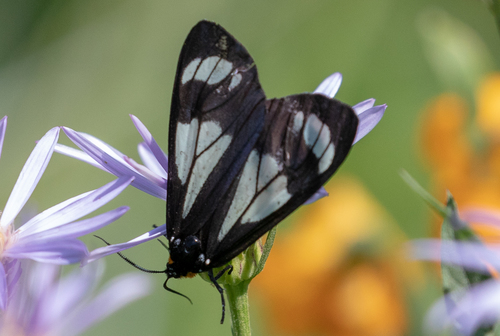
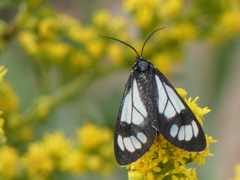
Gnophaela vermiculata, sometimes known as the police-car moth or green lattice, is a moth of the family Erebidae. The species was first described by Augustus Radcliffe Grote in 1864. It is found in the Rocky Mountain region of the United States and in western parts of North America, from British Columbia to California, east to New Mexico and north to Alberta Manitoba.

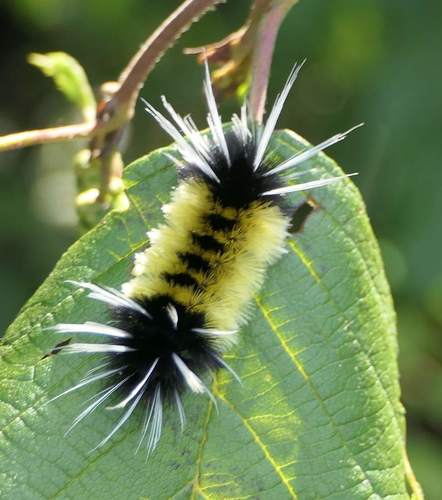
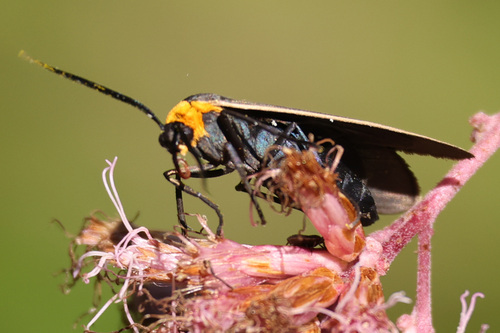
The wingspan is about 54 millimetres (2.1 in). Adults are on wing in late summer and fly during the day. There is one generation per year. The larva is born with yellower patches but eventually grows into the adult coloring. As larvae, they feed on Mertensia, Lithospermum and Hackelia species. Adults feed on nectar of various herbaceous flowers, including Cirsium and Solidago.

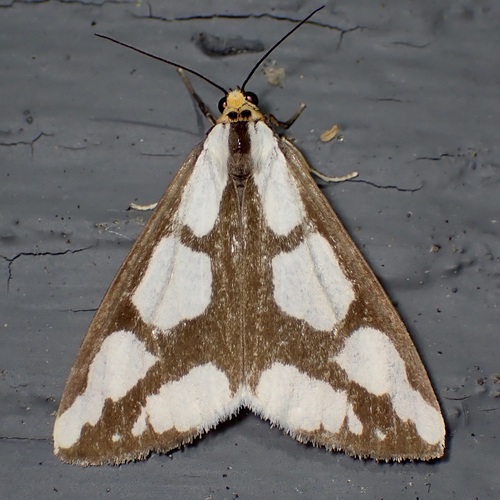
It can be confused with Gnophaela latipennis because of the similarity in their pattern. The latter species has smaller pale areas on its wings and more rounded forewing margins. Cotinis (June 19, 2013). "Species Gnophaela vermiculata - Police Car Moth - Hodges#8037". BugGuide. Retrieved September 6, 2019.

Robinson, E. & Schmidt, B. C. "Species Details Gnophaela vermiculata". University of Alberta Museums. E.H. Strickland Entomological... Wikipedia →
Global Distribution

Parks Where Found

# Park Country Daily sighting probability
1 Elk Island National Park 🇨🇦 Canada
~40%
2 Rocky Mountain National Park 🇺🇸 United States
~30%
3 Glacier National Park 🇺🇸 United States
~20%
4 Jasper National Park 🇨🇦 Canada
~20%
5 Banff National Park 🇨🇦 Canada
~20%
6 Yellowstone National Park 🇺🇸 United States
~20%
7 Grand Teton National Park 🇺🇸 United States
~10%

Cities Where Found

# City Country Daily sighting probability
1 Calgary 🇨🇦 Canada
~10%
2 Edmonton 🇨🇦 Canada
~10%
3 Salt Lake City 🇺🇸 United States
<5%

Before you go

What are the chances of seeing a Police Car Moth in Elk Island National Park?

Likely

About 40% of wildlife watchers report a Police Car Moth sighting in Elk Island National Park on a given day, based on 70 verified sightings from GBIF citizen-science data from 2019 to 2026. It is the 8th most-seen of the 112 insects we can rate there. Over three days the chance rises to about 80%, and over a week to over 90%, if each day is a fresh chance.

When is the best time to see a Police Car Moth in Elk Island National Park?

July

In that month about 70% of wildlife watchers report a Police Car Moth in Elk Island National Park on a given day, against under 5% in September to April, the lowest months. That is one of Elk Island National Park's wettest months, with about 110 mm of rain against 20 mm in December.

What time of day is best to see a Police Car Moth?

Between 11 am and 2 pm

Across all the parks we cover, that three-hour window holds the most Police Car Moth sightings with a recorded time, and about 9 in 10 of them come between 6 am and 6 pm: it is a daytime animal.

Is Elk Island National Park the best place to see a Police Car Moth?

Yes

Of the 7 parks where we can rate Police Car Moth sightings, Elk Island National Park has the highest daily chance: about 40%. Next come Rocky Mountain National Park (United States, about 30%) and Glacier National Park (United States, about 20%).

Which relatives of the Police Car Moth live in Elk Island National Park?

Same family: Erebidae

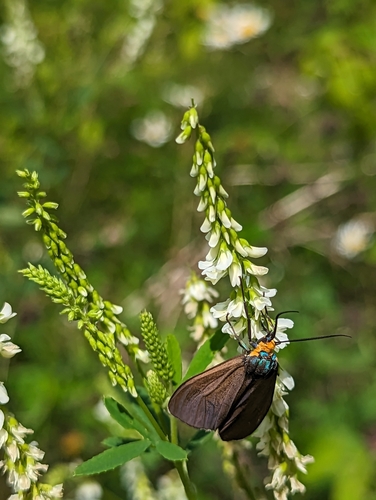
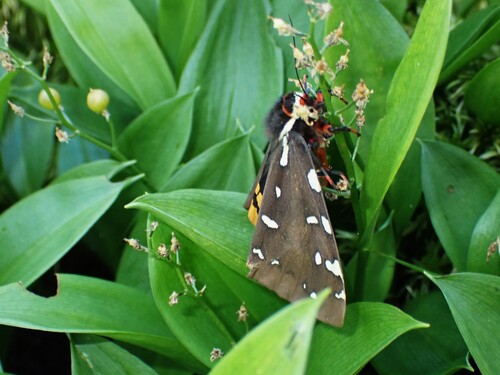
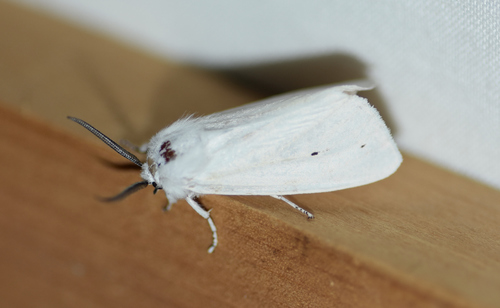
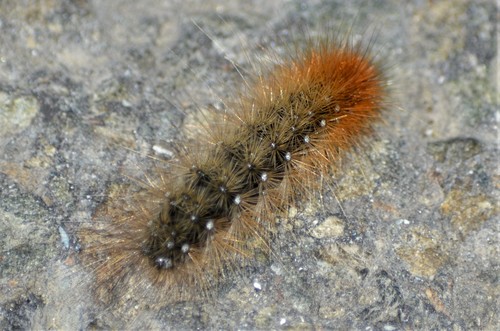
The closest relatives of the Police Car Moth that you can see in Elk Island National Park (family Erebidae, Underwing, Tiger, Tussock, and Allied Moths) are Virginia Ctenucha Moth (about 50%), Isabella Tiger Moth (about 40%) and St. Lawrence Tiger Moth (about 20%), with each one's daily chance of a sighting.

Where does the Police Car Moth sighting chance come from?

GBIF citizen-science records

It is estimated from how often the Police Car Moth is recorded against all the insects logged in Elk Island National Park (70 verified sightings from 2019 to 2026), calibrated against known sighting rates. Figures are rounded to the nearest 10% because citizen-science data supports honest approximations, not decimals, and months with records from fewer than five people show "—". How it works.

← Back to Elk Island National Park