Black-fronted Tern

Black-fronted Tern

Chlidonias albostriatus

Silhouette: Andy Wilson · PhyloPic

LCNTVUENEndangeredCR Endemic
Daily sighting probability ~30% · Possible
at Fiordland National Park

In 3 days ~60% in a week ~90%

616 Verified sightings at Fiordland National Park From 2019 to 2026
1,177 In all 5 parks
October Best month
☀️ Diurnal When it's spotted

About the Black-fronted Tern

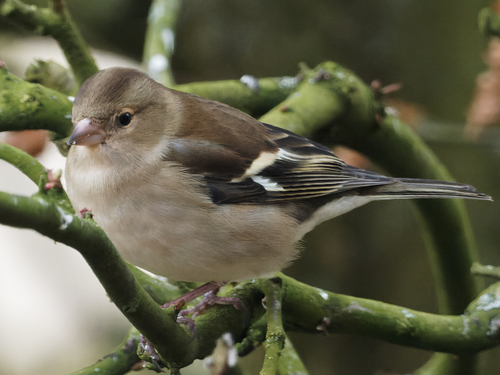
The black-fronted tern (Chlidonias albostriatus), sea martin, ploughboy, or tarapiroe (Māori), is a medium-small tern endemic to New Zealand. Black-fronted terns can be found in coastal habitats from the southern tip of the North Island to the eastern South Island as well as Stewart Island. Their breeding range is restricted to the South Island, where they will form breeding colonies on braided river islands.

The species is globally and nationally endangered, due to its small and declining national population. Black-fronted terns are vulnerable to a range of threats, including predation by introduced mammals, habitat loss (land use changes and weed encroachment), resource abstraction (gravel and water), human disturbance, and climate change.

German naturalist Johann Reinhold Forster described the black-fronted tern from a specimen collected at Queen Charlotte Sound, Marlborough in 1832, giving it the binomial name Sterna antarctica, which had already been used for the Antarctic tern by French naturalist René Lesson the previous year.

The first valid description of the species was by George Robert Gray in 1845, when it was described as Hydrochelidon albostriata. Its specific... Wikipedia →

Sounds

Call0:24

New Zealand · 2025

© craig wilson · XC1054237 · CC BY 4.0

Alarm call0:41

New Zealand · 2018

© Romuald Mikusek · XC403126 · CC BY-NC-SA 4.0

Call0:33

New Zealand · 2004

© Patrik Åberg · XC33751 · CC BY-NC-SA 3.0

Global Distribution

Parks Where Found

# Park Country Daily sighting probability
1 Aoraki Mount Cook National Park 🇳🇿 New Zealand
~60%
2 Fiordland National Park 🇳🇿 New Zealand
~30%
3 Arthur's Pass National Park 🇳🇿 New Zealand
~20%
4 Rakiura National Park 🇳🇿 New Zealand
~10%
5 Abel Tasman National Park 🇳🇿 New Zealand
<5%

Before you go

What are the chances of seeing a Black-fronted Tern in Fiordland National Park?

Possible

About 30% of wildlife watchers report a Black-fronted Tern sighting in Fiordland National Park on a given day, based on 616 verified sightings from GBIF citizen-science data from 2019 to 2026. It is the 28th most-seen of the 94 birds we can rate there. Over three days the chance rises to about 60%, and over a week to about 90%, if each day is a fresh chance.

When is the best time to see a Black-fronted Tern in Fiordland National Park?

October

In that month about 50% of wildlife watchers report a Black-fronted Tern in Fiordland National Park on a given day, against under 5% in March and April, the lowest months.

What time of day is best to see a Black-fronted Tern?

Between 11 am and 2 pm

Across all the parks we cover, that three-hour window holds the most Black-fronted Tern sightings with a recorded time, and about 9 in 10 of them come between 6 am and 6 pm: it is a daytime animal.

Is Fiordland National Park the best place to see a Black-fronted Tern?

2nd of 5

Of the 5 parks where we can rate Black-fronted Tern sightings, Fiordland National Park ranks 2nd at about 30%. The best odds are in Aoraki Mount Cook National Park (New Zealand, about 60%).

Which relatives of the Black-fronted Tern live in Fiordland National Park?

Same family: Laridae

The closest relatives of the Black-fronted Tern that you can see in Fiordland National Park (family Laridae, Gulls, Terns, and Skimmers) are Dominican Gull (about 60%), Black-billed Gull (about 40%) and Silver Gull (about 20%), with each one's daily chance of a sighting.

Where does the Black-fronted Tern sighting chance come from?

GBIF citizen-science records

It is estimated from how often the Black-fronted Tern is recorded against all the birds logged in Fiordland National Park (616 verified sightings from 2019 to 2026), calibrated against known sighting rates. Figures are rounded to the nearest 10% because citizen-science data supports honest approximations, not decimals, and months with records from fewer than five people show "—". How it works.

← Back to Fiordland National Park