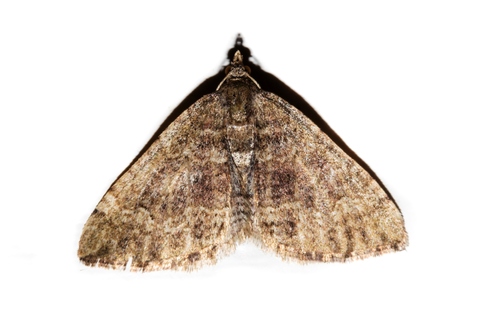
Black Mountain Ringlet

Black Mountain Ringlet

Percnodaimon merula

Endemic
Daily sighting probability ~10% · With luck
at Fiordland National Park

In 3 days ~20% in a week ~40%

6 Verified sightings at Fiordland National Park From 2019 to 2026
46 In all 3 parks
February Best month
☀️ Diurnal When it's spotted

About the Black Mountain Ringlet

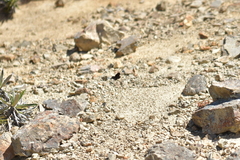
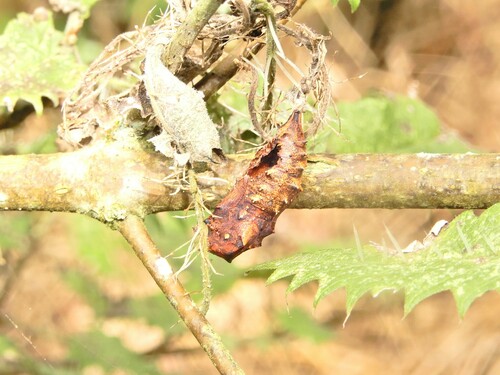
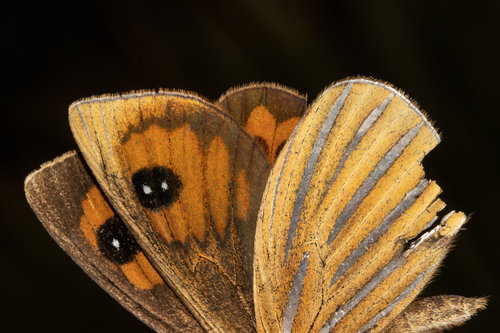
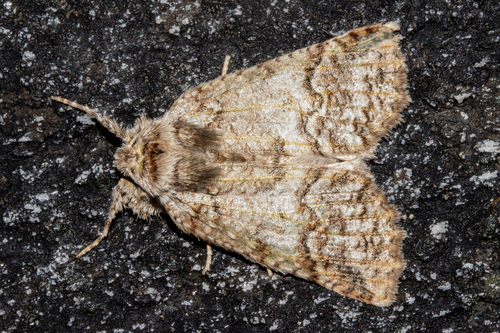
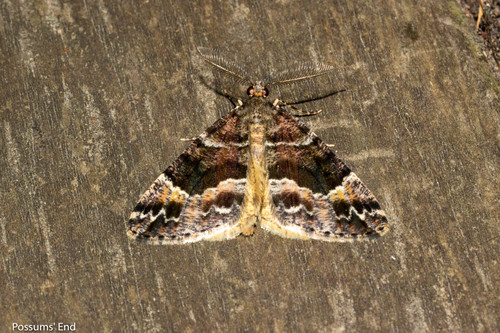
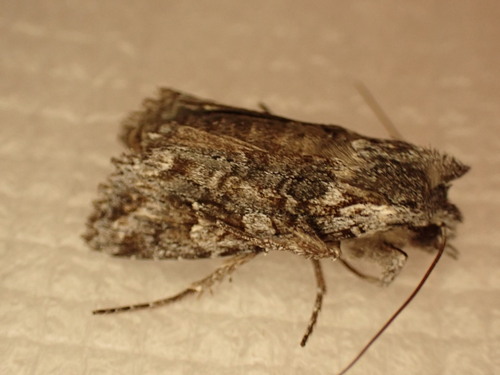
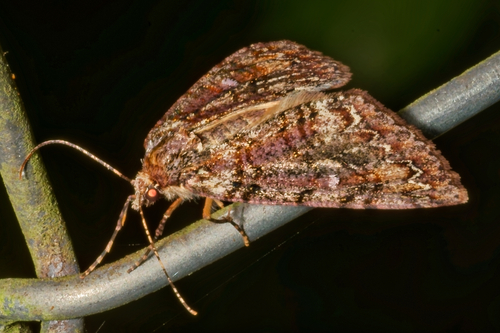
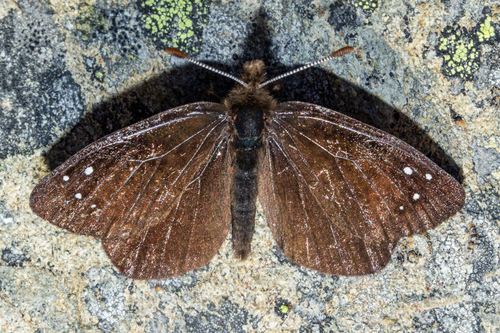
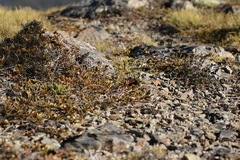
Percnodaimon merula, the black mountain ringlet, is a satyrid butterfly in the family Nymphalidae. It is currently the only recognised species in the monotypic genus Percnodaimon, endemic to New Zealand, although there may be other undescribed species in the genus. The black mountain ringlet is notable for living exclusively in rocky areas of New Zealand's Southern Alps, usually above 1200 m. Its eggs are laid on rocks, its larvae feed on mountain Poa species, and it pupates under a stone. It has distinctive dark velvety wings and a zig-zag flight pattern over the scree slopes on which it lives.

This species has had a complicated taxonomic history. It was originally described as Erebia pluto by Richard W. Fereday in 1872 from the Craigieburn Range in the South Island, and was moved to the new genus Percnodaimon by Butler in 1876. It was known as Percnodaimon pluto for many years, and Wise in 1967 regarded this as the correct name for the species, but was eventually synonymised with P. merula, under which name it is usually referred to today.

Most sources consider Percnodaimon monotypic, but in 2012 mitochondrial gene sequencing by Hamish Patrick for his Lincoln University... Wikipedia →
Global Distribution

Parks Where Found

# Park Country Daily sighting probability
1 Arthur's Pass National Park 🇳🇿 New Zealand
~30%
2 Aoraki Mount Cook National Park 🇳🇿 New Zealand
~20%
3 Fiordland National Park 🇳🇿 New Zealand
~10%

Closest Relatives at Fiordland National Park

Before you go

What are the chances of seeing a Black Mountain Ringlet in Fiordland National Park?

With luck

About 10% of wildlife watchers report a Black Mountain Ringlet sighting in Fiordland National Park on a given day, based on 6 verified sightings from GBIF citizen-science data from 2019 to 2026. It is the 147th most-seen of the 201 insects we can rate there. Over three days the chance rises to about 20%, and over a week to about 40%, if each day is a fresh chance.

When is the best time to see a Black Mountain Ringlet in Fiordland National Park?

January to March

In those months about 10% of wildlife watchers report a Black Mountain Ringlet in Fiordland National Park on a given day, against under 5% in April to December, the lowest months.

What time of day is best to see a Black Mountain Ringlet?

Between 11 am and 2 pm

Across all the parks we cover, that three-hour window holds the most Black Mountain Ringlet sightings with a recorded time, and about 9 in 10 of them come between 6 am and 6 pm: it is a daytime animal.

Is Fiordland National Park the best place to see a Black Mountain Ringlet?

3rd of 3

Of the 3 parks where we can rate Black Mountain Ringlet sightings, Fiordland National Park ranks 3rd at about 10%. The best odds are in Arthur's Pass National Park (New Zealand, about 30%) and Aoraki Mount Cook National Park (New Zealand, about 20%).

Which relatives of the Black Mountain Ringlet live in Fiordland National Park?

Same family: Nymphalidae

The closest relatives of the Black Mountain Ringlet that you can see in Fiordland National Park (family Nymphalidae, Brush-footed Butterflies) are New Zealand Red Admiral (about 20%) and Common Tussock Butterfly (about 10%), with each one's daily chance of a sighting.

Where does the Black Mountain Ringlet sighting chance come from?

GBIF citizen-science records

It is estimated from how often the Black Mountain Ringlet is recorded against all the insects logged in Fiordland National Park (6 verified sightings from 2019 to 2026), calibrated against known sighting rates. Figures are rounded to the nearest 10% because citizen-science data supports honest approximations, not decimals, and months with records from fewer than five people show "—". How it works.

← Back to Fiordland National Park