Yellow-footed Antechinus

Yellow-footed Antechinus

Antechinus flavipes

Silhouette: Robbi Bishop-Taylor · PhyloPic

LCLeast ConcernNTVUENCR Endemic
Daily sighting probability ~10% · With luck
at Grampians National Park

In 3 days ~40% in a week ~60%

11 Verified sightings at Grampians National Park From 2019 to 2026
11 In 1 park
February Best month
☀️🌙 Day & Night When it's spotted

About the Yellow-footed Antechinus

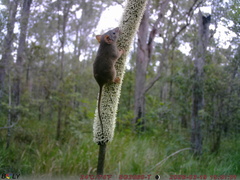
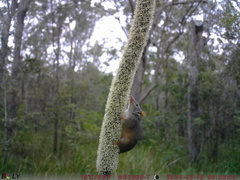
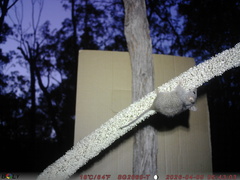
The yellow-footed antechinus (Antechinus flavipes), also known as the mardo, is a shrew-like marsupial found in Australia. One notable feature of the species is its sexual behavior. The male yellow-footed antechinus engages in such frenzied mating that its immune system becomes compromised, resulting in stress-related death before it is one year old.

The yellow-footed antechinus was described in 1838 by George Robert Waterhouse, referring to a specimen that was collected north of the Hunter River in New South Wales. The author tentatively placed the new species with the genus Phascogale, based on similar dentition by reference to a description but without a skull for a closer comparison. The specific epithet flavipes means "yellow-footed." The species has occasionally been combined with the Antechinus stuartii (brown antechinus).

A member of the family Dasyuridae, the yellow-footed antechinus is the most widespread of all the members of its genus, Antechinus. Three subspecies of the yellow-footed antechinus are recognised: Antechinus flavipes flavipes Waterhouse 1838, found in southeastern Queensland, New South Wales, Victoria and South Australia

Antechinus flavipes... Wikipedia →

Sounds

Recording0:05

Australia · 2019

© Scott W. Gavins · iNaturalist · CC BY-NC 4.0

Global Distribution

Parks Where Found

# Park Country Daily sighting probability
1 Grampians National Park 🇦🇺 Australia
~10%

More parks will be added in future updates.

Cities Where Found

# City Country Daily sighting probability
1 Brisbane 🇦🇺 Australia
<5%

Closest Relatives at Grampians National Park

No species of the same family or order lives in Grampians National Park, so these are its closest relatives here: other mammals.

Before you go

What are the chances of seeing a Yellow-footed Antechinus in Grampians National Park?

With luck

About 10% of wildlife watchers report a Yellow-footed Antechinus sighting in Grampians National Park on a given day, based on 11 verified sightings from GBIF citizen-science data from 2019 to 2026. It is the 11th most-seen of the 13 mammals we can rate there. Over three days the chance rises to about 40%, and over a week to about 60%, if each day is a fresh chance.

When is the best time to see a Yellow-footed Antechinus in Grampians National Park?

February and May

In those months about 30% of wildlife watchers report a Yellow-footed Antechinus in Grampians National Park on a given day, against under 5% in June–August and October–January, the lowest months.

What time of day is best to see a Yellow-footed Antechinus?

Between 7 and 10 am

Across all the parks we cover, that three-hour window holds the most Yellow-footed Antechinus sightings with a recorded time, and about 6 in 10 of them come between 6 am and 6 pm: it is seen both by day and at night.

Where else can you see a Yellow-footed Antechinus?

Only Grampians National Park, in our data

Grampians National Park is the only park on Wallace's Line with enough records to rate Yellow-footed Antechinus sightings: about 10% of wildlife watchers there report one on a given day.

Where does the Yellow-footed Antechinus sighting chance come from?

GBIF citizen-science records

It is estimated from how often the Yellow-footed Antechinus is recorded against all the mammals logged in Grampians National Park (11 verified sightings from 2019 to 2026), calibrated against known sighting rates. Figures are rounded to the nearest 10% because citizen-science data supports honest approximations, not decimals, and months with records from fewer than five people show "—". How it works.

← Back to Grampians National Park