


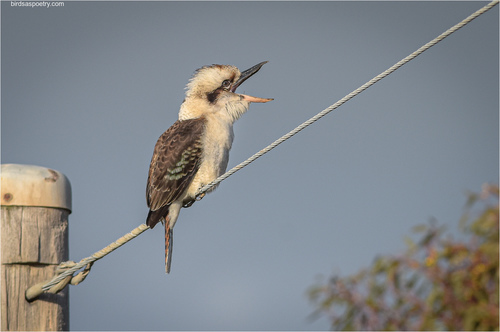

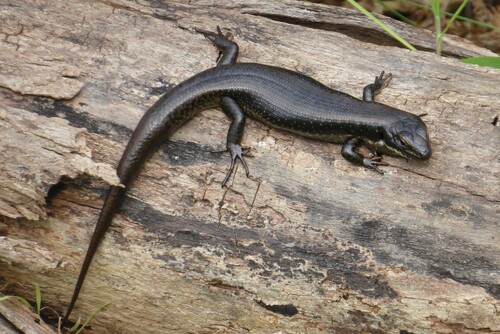


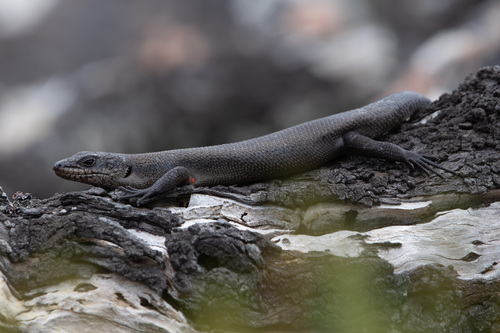


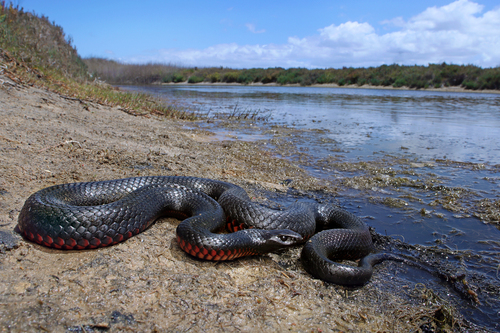


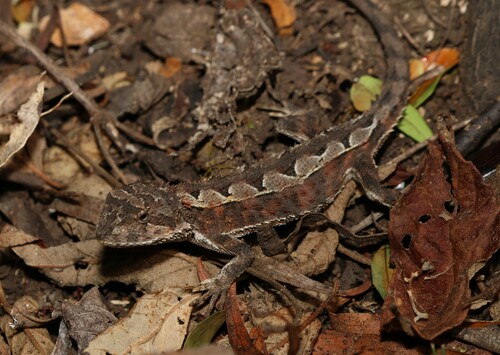
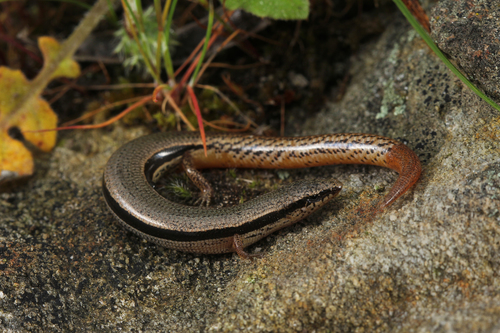

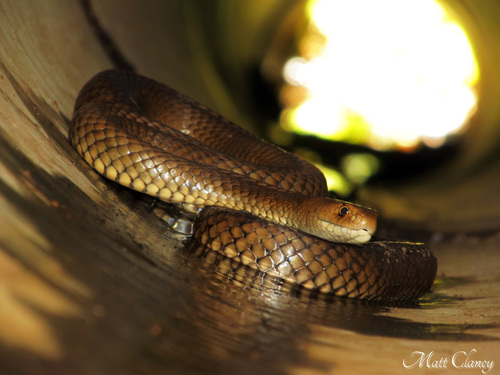


All 4 in 3 days here: ~90%
Grampians National Park
🇦🇺 Australia
Oceania, Australia 553 spp. recorded
Grampians National Park is a rugged expanse of dramatic sandstone ranges and temperate forest located in western Victoria, Australia. Unlike the flat plains nearby, this protected area features ancient, tilted mountain ridges carved by water, creating deep valleys and sheltered gorges that support distinct pockets of native bushland.
-37.172° S 142.343° E
🦜 Nature

261 Species sighted
24,237 Verified sightings From 2019 to 2026
Nov Best month
⭐ Iconic Species
📊 Most Spotted
⭐ Iconic Species
📊 Most Spotted
⭐ Iconic Species
📊 Most Spotted
⭐ Iconic Species
📊 Most Spotted
📊 Most Spotted
📊 Most Spotted
+ 358 more species with insufficient data
Challenges you can complete here
Recent sightings in Grampians National Park
LIVEiNaturalistSighting Calendar
How many species you'd see in a day
50Jan
49Feb
39Mar
39Apr
36May
35Jun
32Jul
34Aug
47Sep
56Oct
64Nov
63Dec
Sighting Zones
Warmer areas are where all species together are recorded most often.
-
Heatherlie Quarry
Daily sight. prob.vs avg Swamp Wallaby~90%+20%
 Black Crevice-skink~90%+30%
 New Holland Honeyeater~80%+20%
 White's Rock-skink~70%+30%
 Jacky Lashtail~60%≈
 Pale-flecked Garden Sunskink~60%+20%
 Shingleback Lizard~60%-10%
 Common Eastern Froglet~60%+30%
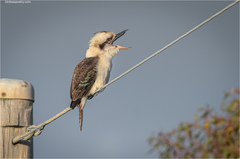 Laughing Kookaburra~60%-10%
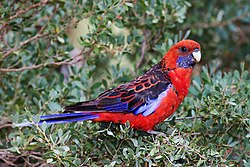 Crimson Rosella~60%-20%
 Superb Fairywren~60%-20%
 White-browed Scrubwren~60%≈
-
Halls Gap
Daily sight. prob.vs avg Eastern Grey Kangaroo>90%+20%
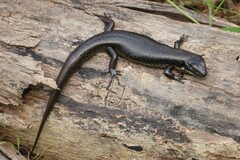 Cool-temperate Water Skink~80%+10%
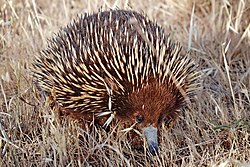 Short-beaked Echidna~80%+20%
- Jacky Lashtail~80%+10%
- Swamp Wallaby~70%≈
- Black Crevice-skink~70%+10%
- Shingleback Lizard~60%-10%
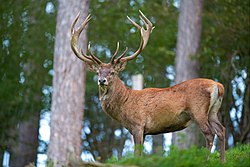 Red Deer~60%+30%
- Crimson Rosella~60%-30%
 Sulphur-crested Cockatoo~60%-20%
- Pale-flecked Garden Sunskink~50%+10%
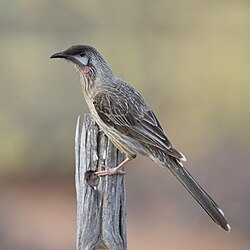 Red Wattlebird~50%-20%
-
MacKenzie Falls
Daily sight. prob.vs avg- Cool-temperate Water Skink~90%+20%
- Eastern Grey Kangaroo~90%+10%
- Swamp Wallaby~90%+20%
 Red-necked Wallaby~90%+30%
- Pale-flecked Garden Sunskink~70%+30%
- Jacky Lashtail~70%≈
- Shingleback Lizard~60%-10%
- Superb Fairywren~60%-20%
- Sulphur-crested Cockatoo~50%-20%
- White-browed Scrubwren~40%-20%
 Australian Magpie~40%-30%
 Grey Fantail~40%-20%
-
Reed Lookout and Balconies
Daily sight. prob.vs avg- Jacky Lashtail~90%+20%
- Black Crevice-skink~90%+30%
- Swamp Wallaby~80%+10%
- Short-beaked Echidna~70%+10%
- White's Rock-skink~70%+20%
- Red-necked Wallaby~60%≈
- Pale-flecked Garden Sunskink~60%+10%
- Shingleback Lizard~60%-20%
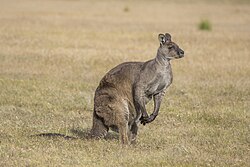 Western Grey Kangaroo~60%+30%
- White-browed Scrubwren~50%-10%
- New Holland Honeyeater~50%-10%
- Grey Fantail~40%-20%
-
North park edge
Daily sight. prob.vs avg

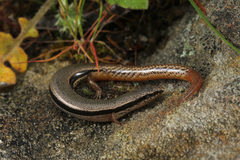


🏕️ Experience
Essentials
Entrance
Free
Tourism
Medium
Typical stay
1–2
daysTrails
Moderate
World Heritage
No
Climate
Temp °C Rain mm
JanFebMarAprMayJunJulAugSepOctNovDec
0.0 Excellent
Wallace's Line Score
How good is this park for seeing wildlife? 🦜
Biodiversity
Very goodHow rich is the wildlife?
4.5
Species by taxon
🦅 Birds 386
🐒 Mammals 72
🦎 Reptiles 80
🐸 Amphibians 15
553 Total Species
828 Global average across 316 parks
35 Threatened 281 Endemic
🔭
Sighting
Very goodHow likely to see animals?
3.6
🎯
Top-12 Avg Probability
72% 📊
Coverage (135 species at ≥5% of 553 in the inventory)
24% 🔀
Taxon variety in top 12 (7 bird, 3 reptile, 2 mammal)
76% 🔭
Species per 10 outings (distinct species a visitor would meet over 10 outings — effort held equal across parks)
85 🌟
Iconic-group species (≥15%) (every species from the 19 iconic groups — monkeys, cats, toucans, macaws, sloths, crocodilians… — not just the 4 highlighted above)
13 ⭐
High-prob species (>40%)
28 🏕️
Experience
Very goodHow easy and pleasant is the visit?
3.5
Climate Mixed Medium
Entrance Free High
Tourism High Low
Trails Moderate Medium
World Heritage No —
What visitors say
At one point, I spotted a large kangaroo in this courtyard, trying to scratch an itch on its back It was one of the most ideal hostels I’ve encountered!
Outside our tiny trailer/AirBNB in Dadswell Bridge Replicate of giant Koala fossil that was found in the 1950s.
We barely ran into any other hikers and even spotted a kangaroo between the rocks.
We saw kangaroos, shingleback lizards and one of the most venomous snakes in Australia, the brown snake.
Before you go
What animals can you see in Grampians National Park?
553 species
Grampians National Park has 553 recorded vertebrate species. The ones wildlife watchers report most often on a given day are Crimson Rosella (about 80%), Superb Fairywren (about 80%), Eastern Grey Kangaroo (about 80%), Shingleback Lizard (about 70%) and Red Wattlebird (about 70%). Among amphibians, the most-seen is Pobblebonk (about 30%).
When is the best time to visit Grampians National Park for wildlife?
October and November
In those months the park's 12 most-seen species average about 80% on a given day, against about 50% in July.
Can you see a Shingleback Lizard in Grampians National Park?
Yes
About 70% of wildlife watchers report a Shingleback Lizard sighting in Grampians National Park on a given day, based on 272 verified sightings from GBIF citizen-science data from 2019 to 2026. The best time is October and November (about 90%).
Can you see an Eastern Grey Kangaroo in Grampians National Park?
Yes
About 80% of wildlife watchers report an Eastern Grey Kangaroo sighting in Grampians National Park on a given day, based on 397 verified sightings from GBIF citizen-science data from 2019 to 2026. The best time is May and June (about 90%).
Can you see a Gang-gang Cockatoo in Grampians National Park?
Yes
About 30% of wildlife watchers report a Gang-gang Cockatoo sighting in Grampians National Park on a given day, based on 468 verified sightings from GBIF citizen-science data from 2019 to 2026. The best time is March and September–January (about 40%).
Where in Grampians National Park is wildlife easiest to see?
Around Heatherlie Quarry
The richest sighting zone is around Heatherlie Quarry, followed by Halls Gap and MacKenzie Falls, ranked by how many of the park's headline animals visitors can expect to see in each. See the zones on the map.
Is Grampians National Park good for wildlife watching?
3.9 out of 5
On the Wallace's Line Score, Grampians National Park rates 3.9/5: 125th of 316 parks worldwide and 6th in Oceania. 31 of its species are reported by about 40% or more of wildlife watchers on a given day.


