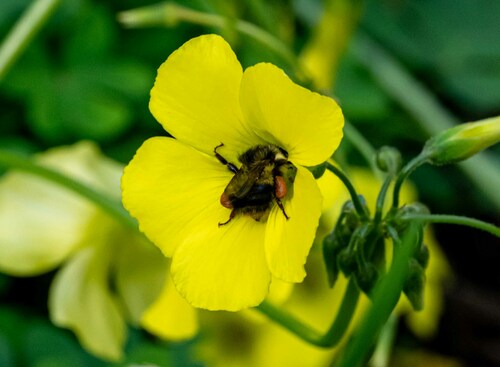
Migratory Grasshopper

Migratory Grasshopper

Melanoplus sanguinipes

Daily sighting probability <5% · Rare
at Great Bear Rainforest

In 3 days ~10% in a week ~30%

9 Verified sightings at Great Bear Rainforest From 2019 to 2026
28 In all 3 parks
August Best month
☀️ Diurnal When it's spotted

About the Migratory Grasshopper

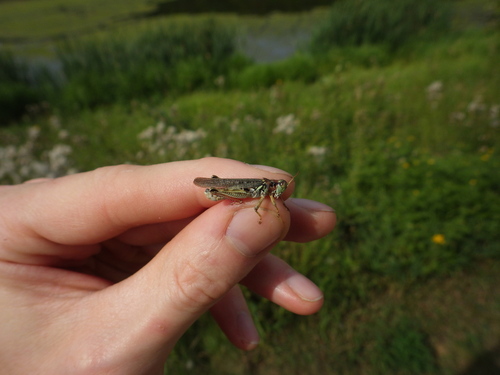
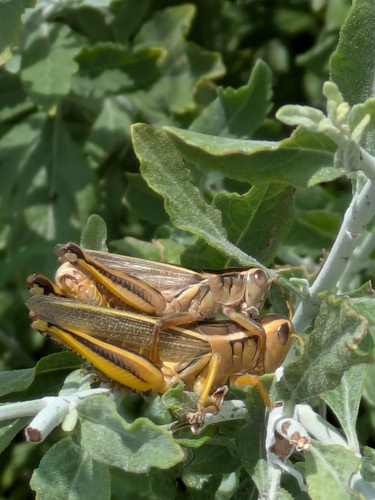
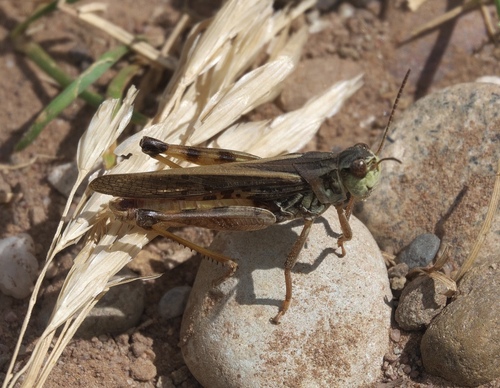
Melanoplus sanguinipes, known generally as migratory grasshopper, is a species of spur-throated grasshopper in the family Acrididae. Other common names include the lesser migratory grasshopper and red-legged grasshopper (which is also the common name of a separate species). It is found in the Caribbean and North America.

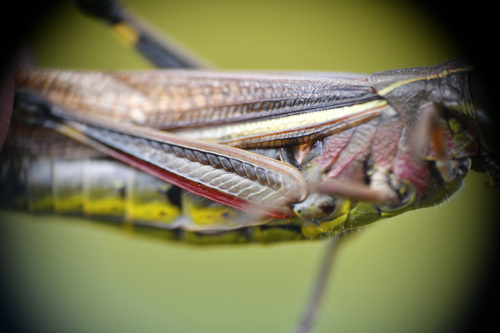
Melanoplus sanguinipes vulturnus Gurney and Brooks, 1959 i g Data sources: i = ITIS, c = Catalogue of Life, g = GBIF, b = Bugguide.net A common and widespread medium grasshopper, varying from 15mm-30mm in length. Females tend to be larger than males. The species is identified by broad, apically-rounded cerci and the color of the hind tibiae: usually a red, orange or pink but occasionally blue, green, or a dull brown.

Bugguide.net. Species Melanoplus sanguinipes - Migratory Grasshopper USDA factsheet. Migratory Grasshopper Melanoplus sanguinipes (Fabricius) Wikipedia →

Global Distribution

Parks Where Found

# Park Country Daily sighting probability
1 Pacific Rim National Park Reserve 🇨🇦 Canada
~10%
2 Yosemite National Park 🇺🇸 United States
~10%
3 Great Bear Rainforest 🇨🇦 Canada
<5%

Cities Where Found

# City Country Daily sighting probability
1 Salt Lake City 🇺🇸 United States
<5%
2 Vancouver 🇨🇦 Canada
<5%
3 Seattle 🇺🇸 United States
<5%
4 Minneapolis [Saint Paul] 🇺🇸 United States
<5%
5 Portland 🇺🇸 United States
<5%

Before you go

What are the chances of seeing a Migratory Grasshopper in Great Bear Rainforest?

Rare

Under 5% of wildlife watchers report a Migratory Grasshopper sighting in Great Bear Rainforest on a given day, based on 9 verified sightings from GBIF citizen-science data from 2019 to 2026. It is the 159th most-seen of the 235 insects we can rate there. Over three days the chance rises to about 10%, and over a week to about 30%, if each day is a fresh chance.

When is the best time to see a Migratory Grasshopper in Great Bear Rainforest?

August

In that month about 10% of wildlife watchers report a Migratory Grasshopper in Great Bear Rainforest on a given day, against under 5% in September to July, the lowest months.

What time of day is best to see a Migratory Grasshopper?

Between 11 am and 2 pm

Across all the parks we cover, that three-hour window holds the most Migratory Grasshopper sightings with a recorded time, and nearly all of them come between 6 am and 6 pm: it is a daytime animal.

Is Great Bear Rainforest the best place to see a Migratory Grasshopper?

3rd of 3

Of the 3 parks where we can rate Migratory Grasshopper sightings, Great Bear Rainforest ranks 3rd at under 5%. The best odds are in Pacific Rim National Park Reserve (Canada, about 10%) and Yosemite National Park (United States, about 10%).

Where does the Migratory Grasshopper sighting chance come from?

GBIF citizen-science records

It is estimated from how often the Migratory Grasshopper is recorded against all the insects logged in Great Bear Rainforest (9 verified sightings from 2019 to 2026), calibrated against known sighting rates. Figures are rounded to the nearest 10% because citizen-science data supports honest approximations, not decimals, and months with records from fewer than five people show "—". How it works.

← Back to Great Bear Rainforest