Southern Saltmarsh Mosquito

Southern Saltmarsh Mosquito

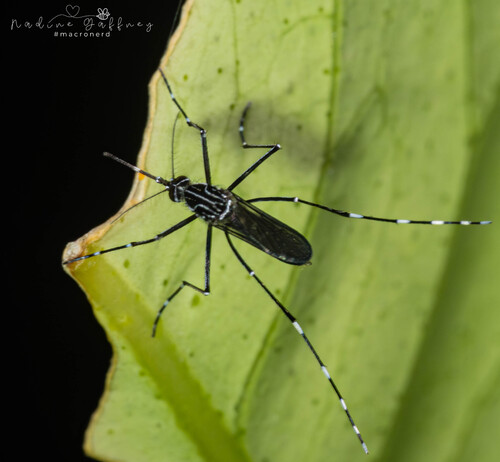
Aedes camptorhynchus

Daily sighting probability ~10% · With luck
at Great Otway National Park

In 3 days ~20% in a week ~40%

17 Verified sightings at Great Otway National Park From 2019 to 2026
17 In 1 park
September Best month
☀️ Diurnal When it's spotted

About the Southern Saltmarsh Mosquito

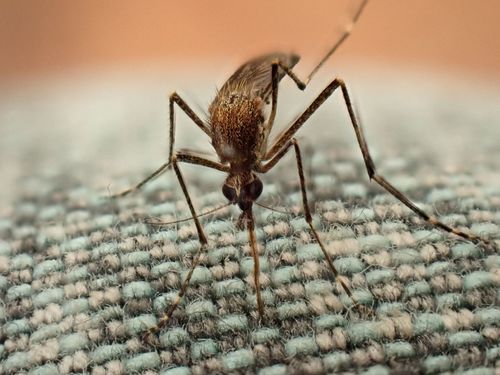
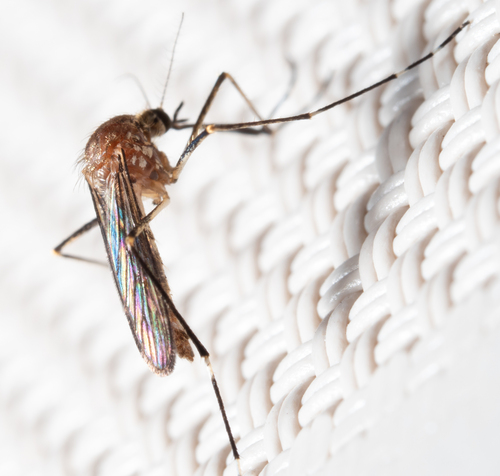
Aedes camptorhynchus, the southern saltmarsh mosquito, is a species of mosquito native to southern Australia. It is responsible for transmitting the Ross River virus, which causes Ross River fever. The mosquito had become established in New Zealand, after it was accidentally transported from Australia to Hawke's Bay, in 1998 from where it dispersed to another 10 localities mainly on the North Island. It was declared to be eradicated in 2010.

Aedes camptorhynchus occurs in New South Wales, South Australia (including Flinders Island), Tasmania (including King Island), Victoria, and Western Australia. It primarily inhabits coastal regions, but can also be found in inland areas where brackish water is present.

Aedes camptorhynchus breeds primarily in brackish swamps, but is also capable of breeding in freshwater conditions. It breeds continuously throughout the year, but is most abundant from late spring to early summer. Aedes camptorhynchus is a major vector of the Ross River virus in coastal areas of southern Australia, and has been demonstrated to be an effective vector of Barmah Forest virus and Murray Valley encephalitis... Wikipedia →
Global Distribution

Parks Where Found

# Park Country Daily sighting probability
1 Great Otway National Park 🇦🇺 Australia
~10%

More parks will be added in future updates.

Cities Where Found

# City Country Daily sighting probability
1 Perth 🇦🇺 Australia
<5%
2 Melbourne 🇦🇺 Australia
<5%

Before you go

What are the chances of seeing a Southern Saltmarsh Mosquito in Great Otway National Park?

With luck

About 10% of wildlife watchers report a Southern Saltmarsh Mosquito sighting in Great Otway National Park on a given day, based on 17 verified sightings from GBIF citizen-science data from 2019 to 2026. It is the 135th most-seen of the 418 insects we can rate there. Over three days the chance rises to about 20%, and over a week to about 40%, if each day is a fresh chance.

When is the best time to see a Southern Saltmarsh Mosquito in Great Otway National Park?

March–April and August–January

In those months about 10% of wildlife watchers report a Southern Saltmarsh Mosquito in Great Otway National Park on a given day, against under 5% in February and May–July, the lowest months.

What time of day is best to see a Southern Saltmarsh Mosquito?

Between 2 and 5 pm

Across all the parks we cover, that three-hour window holds the most Southern Saltmarsh Mosquito sightings with a recorded time, and about 8 in 10 of them come between 6 am and 6 pm: it is a daytime animal.

Where else can you see a Southern Saltmarsh Mosquito?

Only Great Otway National Park, in our data

Great Otway National Park is the only park on Wallace's Line with enough records to rate Southern Saltmarsh Mosquito sightings: about 10% of wildlife watchers there report one on a given day.

Where does the Southern Saltmarsh Mosquito sighting chance come from?

GBIF citizen-science records

It is estimated from how often the Southern Saltmarsh Mosquito is recorded against all the insects logged in Great Otway National Park (17 verified sightings from 2019 to 2026), calibrated against known sighting rates. Figures are rounded to the nearest 10% because citizen-science data supports honest approximations, not decimals, and months with records from fewer than five people show "—". How it works.

← Back to Great Otway National Park