

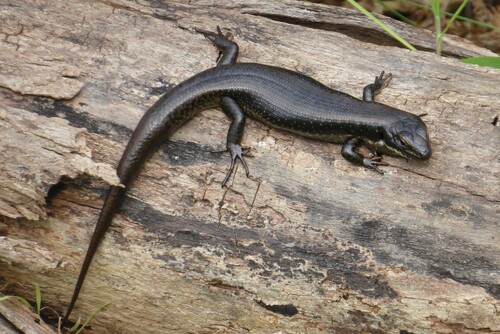


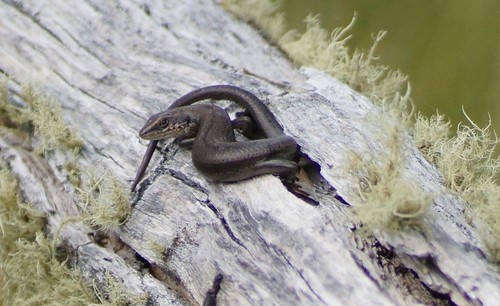

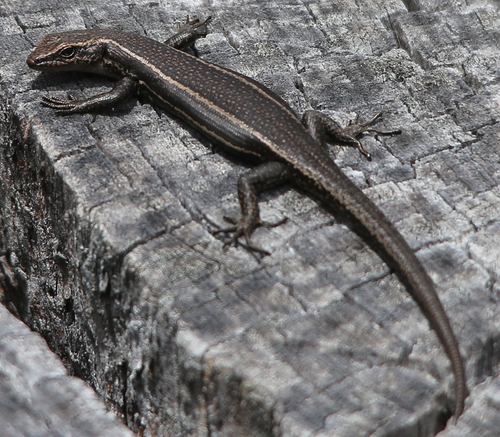
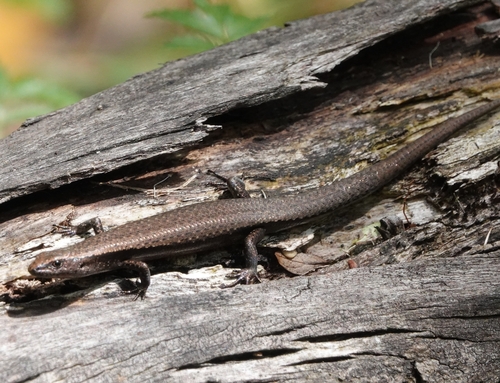


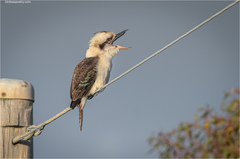
All 4 in 3 days here: ~70%
Great Otway National Park
🇦🇺 Australia
Oceania, Australia 636 spp. recorded
Great Otway National Park is a protected temperate forest stretching along Victoria’s rugged coastline and dense interior hills. Towering eucalyptus trees, cool fern gullies, and cascading waterfalls define this southern Australian landscape, separating it from the drier national parks nearby through its deep, moisture-rich woodland habitats.
-38.591° S 143.743° E
🦜 Nature

293 Species sighted
93,867 Verified sightings From 2019 to 2026
Jan Best month
⭐ Iconic Species
📊 Most Spotted
⭐ Iconic Species
📊 Most Spotted
📊 Most Spotted
⭐ Iconic Species
📊 Most Spotted
⭐ Iconic Species
📊 Most Spotted
📊 Most Spotted
⭐ Iconic Species
🌙 Most active after dark
+ 401 more species with insufficient data


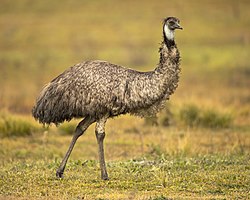
Recent sightings in Great Otway National Park
LIVEiNaturalistSighting Calendar
How many species you'd see in a day
63Jan
53Feb
61Mar
59Apr
45May
39Jun
35Jul
47Aug
52Sep
61Oct
63Nov
58Dec
Sighting Zones
Warmer areas are where all species together are recorded most often.
-
Point Addis
Daily sight. prob.vs avg Jacky Lashtail~80%+60%
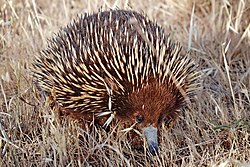 Short-beaked Echidna~80%+40%
 Pale-flecked Garden Sunskink~70%+50%
 Superb Fairywren~70%-20%
 Eastern Grey Kangaroo~60%+10%
 Common Ringtail Possum~50%+30%
 Eastern Tiger Snake~50%+20%
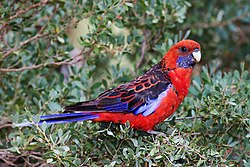 Crimson Rosella~50%-30%
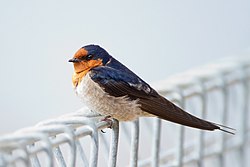 Welcome Swallow~50%-10%
 Brown Thornbill~50%-20%
 Australian Magpie~40%-30%
 Common Brushtail~40%+20%
-
Coogoorah Park
Daily sight. prob.vs avg- Eastern Grey Kangaroo~80%+30%
- Pale-flecked Garden Sunskink~70%+40%
- Superb Fairywren~60%-30%
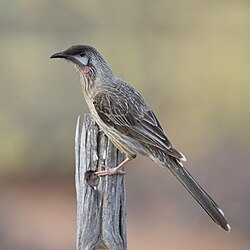 Red Wattlebird~60%-10%
 Blotched Bluetongue~60%+30%
- Welcome Swallow~60%-10%
- Common Ringtail Possum~50%+30%
- Jacky Lashtail~50%+30%
- Short-beaked Echidna~50%+10%
 Sulphur-crested Cockatoo~50%-20%
 New Holland Honeyeater~50%-10%
- Australian Magpie~50%-20%
-
Split Point
Daily sight. prob.vs avg- Eastern Grey Kangaroo~80%+20%
- Short-beaked Echidna~70%+30%
- Jacky Lashtail~70%+40%
- Red Wattlebird~60%-10%
- New Holland Honeyeater~50%≈
 Common Eastern Froglet~50%+40%
- Sulphur-crested Cockatoo~50%-10%
- Australian Magpie~50%-20%
- Superb Fairywren~50%-40%
- Welcome Swallow~40%-20%
 White's Rock-skink~40%+30%
 Afro-Australian Fur Seal~40%+30%
-
Kennett River
Daily sight. prob.vs avg -
Point Roadknight
Daily sight. prob.vs avg- Eastern Grey Kangaroo~90%+40%
- Pale-flecked Garden Sunskink~60%+30%
- Blotched Bluetongue~60%+30%
- Common Ringtail Possum~60%+30%
- Afro-Australian Fur Seal~50%+40%
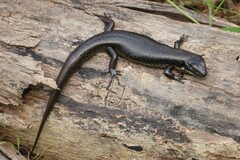 Cool-temperate Water Skink~50%+10%
- Short-beaked Echidna~40%≈
 Pobblebonk~40%+30%
- Welcome Swallow~40%-20%
- Red Wattlebird~40%-30%
- Australian Magpie~30%-40%
- Superb Fairywren~30%-60%


🏕️ Experience
Essentials
Entrance
Free
Tourism
Medium
Typical stay
1–2
daysTrails
Moderate
World Heritage
No
Climate
Temp °C Rain mm
JanFebMarAprMayJunJulAugSepOctNovDec
0.0 Good
Wallace's Line Score
How good is this park for seeing wildlife? 🦜
Biodiversity
ExcellentHow rich is the wildlife?
4.7
Species by taxon
🦅 Birds 447
🐒 Mammals 116
🦎 Reptiles 58
🐸 Amphibians 15
636 Total Species
828 Global average across 316 parks
58 Threatened 244 Endemic
🔭
Sighting
GoodHow likely to see animals?
3.1
🎯
Top-12 Avg Probability
69% 📊
Coverage (151 species at ≥5% of 636 in the inventory)
24% 🔀
Taxon variety in top 12 (11 bird, 1 mammal)
20% 🔭
Species per 10 outings (distinct species a visitor would meet over 10 outings — effort held equal across parks)
92 🌟
Iconic-group species (≥15%) (every species from the 19 iconic groups — monkeys, cats, toucans, macaws, sloths, crocodilians… — not just the 4 highlighted above)
11 ⭐
High-prob species (>40%)
22 🏕️
Experience
GoodHow easy and pleasant is the visit?
3.1
Climate Harsh Low
Entrance Free High
Tourism High Low
Trails Moderate Medium
World Heritage No —
What visitors say
Great Otway, VIC Australia – Not Sew Fancy Travels Molly & JD While talking to a park ranger in Wilson’s Promontory I asked about seeing koalas and was told I wouldn’t see them in the wild there, but there was a nice conservation on Phillips island.
We knew that kangaroos are relatively abundant and somewhat easy to spot all across Australia, but we wanted to see koalas and wombats too.
While we were walking, I kept my eyes peeled for rainforest birds like Bassian Thrushes, Olive Whistlers, and especially the gorgeous Pink Robin, but the mist and thick vegetation made it hard to spot any birds around me.
Driving in the Otways with our two mascots – Potato the Wombat & Pickles the Echidna As we drove along Grey River Road (aka the Kennett River Koala Trail), we spotted our first two koalas chilling high up in the trees.
Before you go
What animals can you see in Great Otway National Park?
636 species
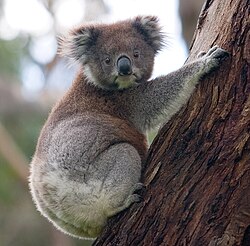
Great Otway National Park has 636 recorded vertebrate species. The ones wildlife watchers report most often on a given day are Superb Fairywren (about 90%), Crimson Rosella (about 80%), Red Wattlebird (about 70%), Brown Thornbill (about 70%) and Koala (about 70%). Among reptiles, the most-seen is Cool-temperate Water Skink (about 40%); among amphibians, Pobblebonk (about 10%).
When is the best time to visit Great Otway National Park for wildlife?
August
In that month the park's 12 most-seen species average about 80% on a given day, against about 60% in February and June–July.
Can you see a Koala in Great Otway National Park?
Yes
About 70% of wildlife watchers report a Koala sighting in Great Otway National Park on a given day, based on 800 verified sightings from GBIF citizen-science data from 2019 to 2026. The best time is August (about 80%).
Can you see a Cool-temperate Water Skink in Great Otway National Park?
Yes
About 40% of wildlife watchers report a Cool-temperate Water Skink sighting in Great Otway National Park on a given day, based on 178 verified sightings from GBIF citizen-science data from 2019 to 2026. The best time is September to March (about 40%).
Can you see a Pobblebonk in Great Otway National Park?
With luck
About 10% of wildlife watchers report a Pobblebonk sighting in Great Otway National Park on a given day, based on 41 verified sightings from GBIF citizen-science data from 2019 to 2026. The best time is September (about 30%). Sightings take luck and time in the field.
Where in Great Otway National Park is wildlife easiest to see?
Around Point Addis
The richest sighting zone is around Point Addis, followed by Coogoorah Park and Split Point, ranked by how many of the park's headline animals visitors can expect to see in each. See the zones on the map.
Is Great Otway National Park good for wildlife watching?
3.5 out of 5
On the Wallace's Line Score, Great Otway National Park rates 3.5/5: 178th of 316 parks worldwide and 12th in Oceania. 26 of its species are reported by about 40% or more of wildlife watchers on a given day.


