Agreeable Tiger Moth

Agreeable Tiger Moth

Spilosoma congrua

Daily sighting probability ~10% · With luck
at Great Smoky Mountains National Park

In 3 days ~40% in a week ~70%

81 Verified sightings at Great Smoky Mountains National Park From 2019 to 2026
114 In all 3 parks
July Best month
☀️🌙 Day & Night When it's spotted

About the Agreeable Tiger Moth

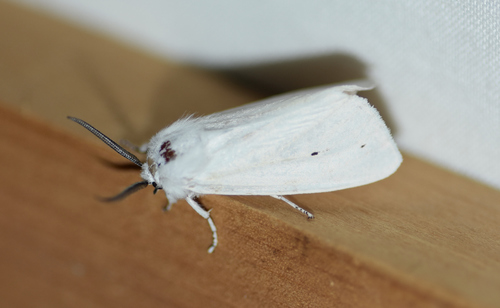
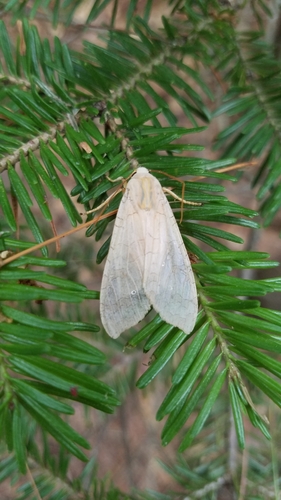
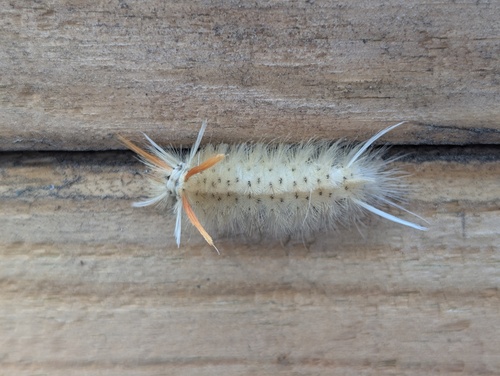
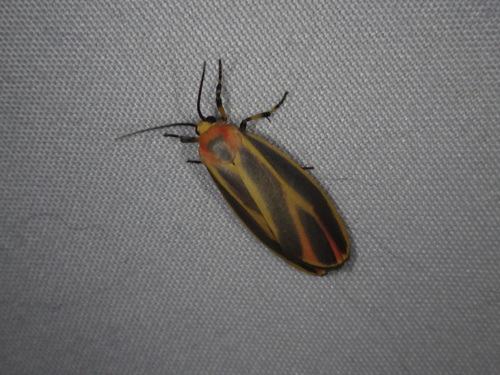
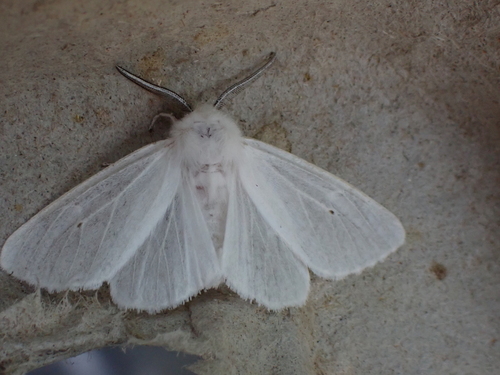
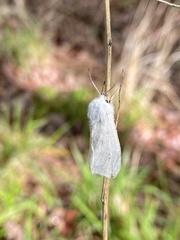
The agreeable tiger moth (Spilosoma congrua) is a medium-sized moth belonging to the family Erebidae, subfamily Arctiinae, commonly known as the tiger moths. It was first described by the British entomologist Francis Walker in 1855 and is one of the most common white tiger moths found in North America. The species is easily recognised by its bright white wings, pronounced black eyes, white abdomen with rows of black spots, and a distinctive orange or yellow "bib" on the thorax just behind the head. These features separate it from its close relatives, the Virginia tiger moth (Spilosoma virginica) and the dubious tiger moth (Spilosoma dubia).

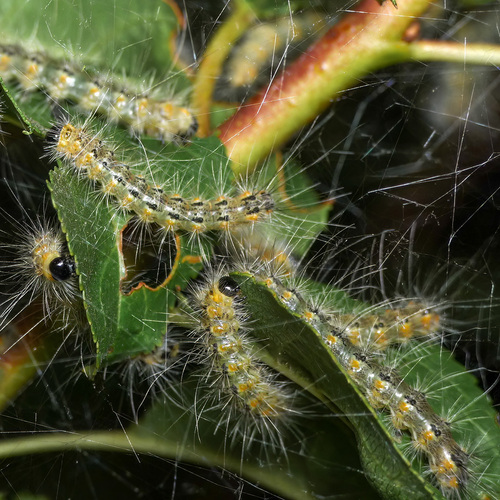
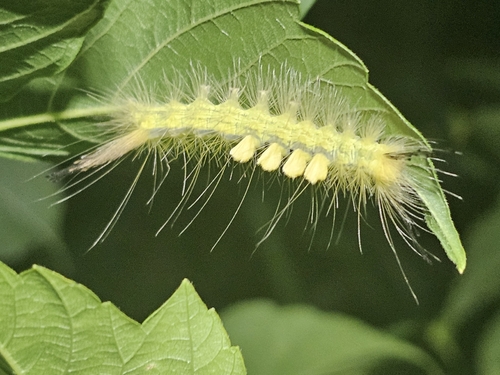
The agreeable tiger moth ranges across most of the contiguous United States, southern Canada, and there is some evidence of disjunct populations in India. It inhabits open woodlands, meadows, fields, roadsides, and suburban gardens. The larvae are generalist feeders, consuming a wide variety of herbaceous plants, including many common weeds and garden vegetables, which sometimes brings the species into mild conflict with agriculture. Adults are nocturnal and are attracted to lights. The species has one to three generations per year depending on latitude and climate. Wikipedia →
Global Distribution

Parks Where Found

# Park Country Daily sighting probability
1 Great Smoky Mountains National Park 🇺🇸 United States
~10%
2 Shenandoah National Park 🇺🇸 United States
~10%
3 Acadia National Park 🇺🇸 United States
<5%

Cities Where Found

# City Country Daily sighting probability
1 Washington 🇺🇸 United States
<5%
2 Boston 🇺🇸 United States
<5%
3 New York City 🇺🇸 United States
<5%

Before you go

What are the chances of seeing an Agreeable Tiger Moth in Great Smoky Mountains National Park?

With luck

About 10% of wildlife watchers report an Agreeable Tiger Moth sighting in Great Smoky Mountains National Park on a given day, based on 81 verified sightings from GBIF citizen-science data from 2019 to 2026. It is the 61st most-seen of the 822 insects we can rate there. Over three days the chance rises to about 40%, and over a week to about 70%, if each day is a fresh chance.

When is the best time to see an Agreeable Tiger Moth in Great Smoky Mountains National Park?

April to July

In those months about 20% of wildlife watchers report an Agreeable Tiger Moth in Great Smoky Mountains National Park on a given day, against under 5% in October to February, the lowest months.

What time of day is best to see an Agreeable Tiger Moth?

Between 8 and 11 pm

Across all the parks we cover, that three-hour window holds the most Agreeable Tiger Moth sightings with a recorded time, and about 6 in 10 of them come between 6 am and 6 pm: it is seen both by day and at night.

Is Great Smoky Mountains National Park the best place to see an Agreeable Tiger Moth?

Yes

Of the 3 parks where we can rate Agreeable Tiger Moth sightings, Great Smoky Mountains National Park has the highest daily chance: about 10%. Next come Shenandoah National Park (United States, about 10%) and Acadia National Park (United States, under 5%).

Where does the Agreeable Tiger Moth sighting chance come from?

GBIF citizen-science records

It is estimated from how often the Agreeable Tiger Moth is recorded against all the insects logged in Great Smoky Mountains National Park (81 verified sightings from 2019 to 2026), calibrated against known sighting rates. Figures are rounded to the nearest 10% because citizen-science data supports honest approximations, not decimals, and months with records from fewer than five people show "—". How it works.

← Back to Great Smoky Mountains National Park