Empis snoddyi

Empis snoddyi

Empis snoddyi

Daily sighting probability ~10% · With luck
at Great Smoky Mountains National Park

In 3 days ~10% in a week ~30%

12 Verified sightings at Great Smoky Mountains National Park From 2019 to 2026
12 In 1 park
June Best month
☀️ Diurnal When it's spotted

About the Empis snoddyi

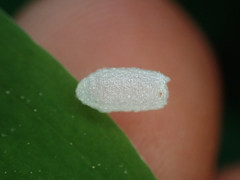
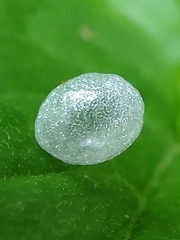
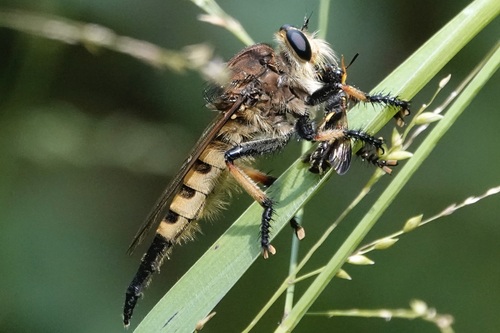
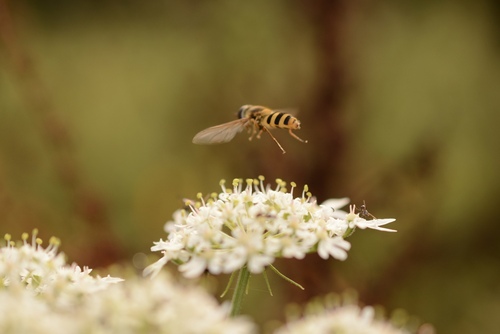
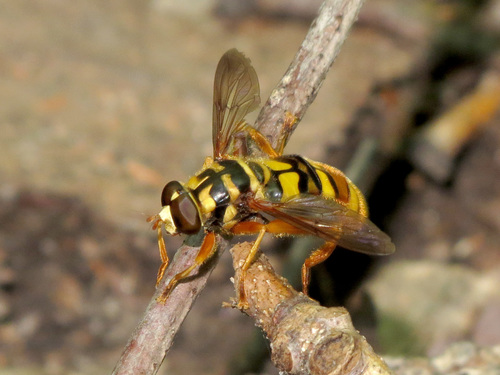
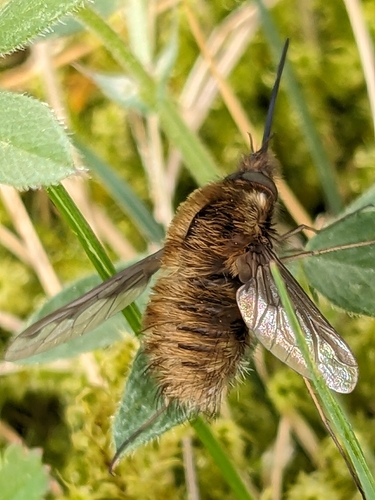
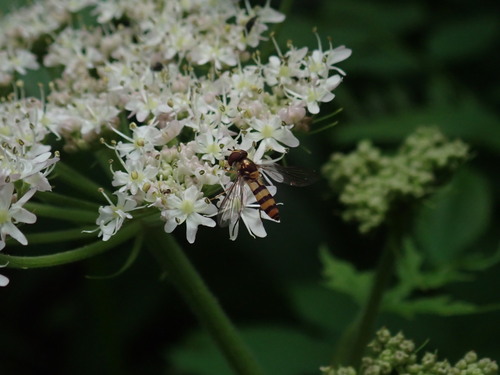
Empis snoddyi is a species of dance flies in the family Empididae. It is present in the United States, specifically mountainous areas from southern Virginia to northern Georgia. These flies are known for their distinctive mating ritual in which the males offer the females a large empty sack filled with hundreds of silk bubbles.

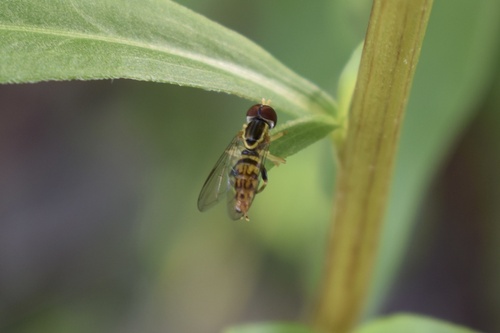
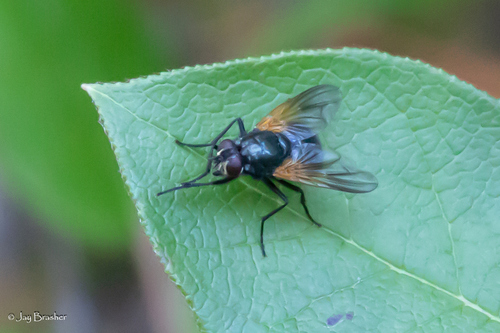
The thorax and head are darkly colored with grey frosted areas. Eyes are nearly holoptic, meaning that they almost meet in the middle of the head, but there is a slight separation. Legs are yellow with a dark ring where the femur ends. Wings are semi-clear with brown veins throughout. Males and females look quite similar. Two differences are that the separation between the eyes is usually wider in males, and the bristles on the upper part of the leg are shorter in males.

Empis snoddyi flies have evolved a mating ritual in which males provide an empty sack filled with silk bubbles as nuptial gifts to females. Other species of Empididae provide nuptial gifts in the form of prey, wrapped prey, or sacks filled with prey, so it is likely that the empty balloons provided by Empis snoddyi relic related to these nutritious nuptial gifts... Wikipedia →


Global Distribution

Parks Where Found

# Park Country Daily sighting probability
1 Great Smoky Mountains National Park 🇺🇸 United States
~10%

More parks will be added in future updates.

Before you go

What are the chances of seeing an Empis snoddyi in Great Smoky Mountains National Park?

With luck

About 10% of wildlife watchers report an Empis snoddyi sighting in Great Smoky Mountains National Park on a given day, based on 12 verified sightings from GBIF citizen-science data from 2019 to 2026. It is the 379th most-seen of the 822 insects we can rate there. Over three days the chance rises to about 10%, and over a week to about 30%, if each day is a fresh chance.

When is the best time to see an Empis snoddyi in Great Smoky Mountains National Park?

June

In that month about 10% of wildlife watchers report an Empis snoddyi in Great Smoky Mountains National Park on a given day, against under 5% in July to May, the lowest months.

What time of day is best to see an Empis snoddyi?

Between 1 and 4 pm

Across all the parks we cover, that three-hour window holds the most Empis snoddyi sightings with a recorded time, and about 8 in 10 of them come between 6 am and 6 pm: it is a daytime animal.

Where else can you see an Empis snoddyi?

Only Great Smoky Mountains National Park, in our data

Great Smoky Mountains National Park is the only park on Wallace's Line with enough records to rate Empis snoddyi sightings: about 10% of wildlife watchers there report one on a given day.

Which relatives of the Empis snoddyi live in Great Smoky Mountains National Park?

Same order: Diptera

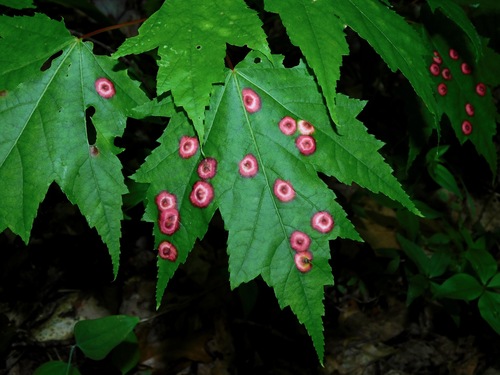
The closest relatives of the Empis snoddyi that you can see in Great Smoky Mountains National Park (order Diptera, Flies) are Eastern Calligrapher (about 20%), Margined Calligrapher (about 10%) and Ocellate Gall Midge (about 10%), with each one's daily chance of a sighting.

Where does the Empis snoddyi sighting chance come from?

GBIF citizen-science records

It is estimated from how often the Empis snoddyi is recorded against all the insects logged in Great Smoky Mountains National Park (12 verified sightings from 2019 to 2026), calibrated against known sighting rates. Figures are rounded to the nearest 10% because citizen-science data supports honest approximations, not decimals, and months with records from fewer than five people show "—". How it works.

← Back to Great Smoky Mountains National Park