Tiger Bee Fly

Tiger Bee Fly

Xenox tigrinus

Daily sighting probability ~10% · With luck
at Great Smoky Mountains National Park

In 3 days ~30% in a week ~50%

41 Verified sightings at Great Smoky Mountains National Park From 2019 to 2026
59 In all 2 parks
July Best month
☀️ Diurnal When it's spotted

About the Tiger Bee Fly

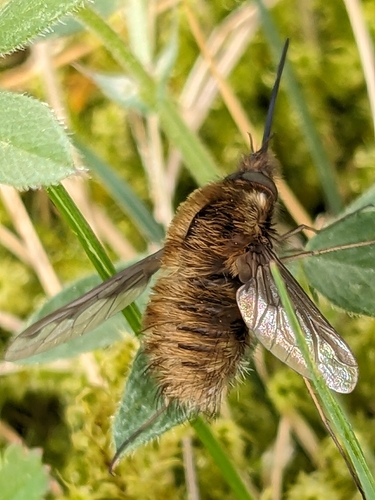
Xenox tigrinus, commonly known as the tiger bee fly, is a species of bee fly in the family Bombyliidae. It is native to eastern North America and is found across the eastern United States and southern Ontario. The species is recognized by its large size and distinctive dark wing markings. Its larvae are parasitoids of carpenter bees, particularly the eastern carpenter bee, Xylocopa virginica.

The species was described by Charles De Geer in 1776 as Nemotelus tigrinus and was later classified as Anthrax tigrinus. It is currently placed in the genus Xenox. The common name and specific epithet tigrinus refer to the species' tiger-like wing pattern.

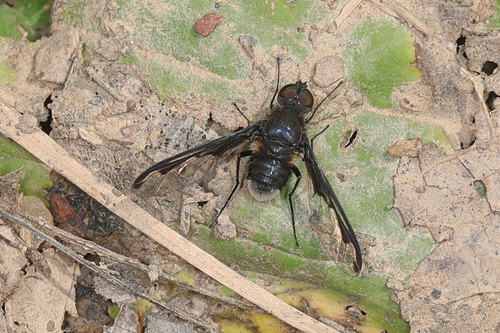
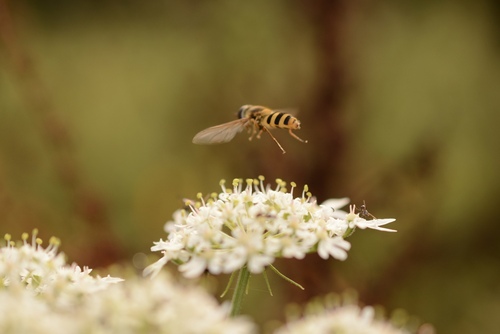
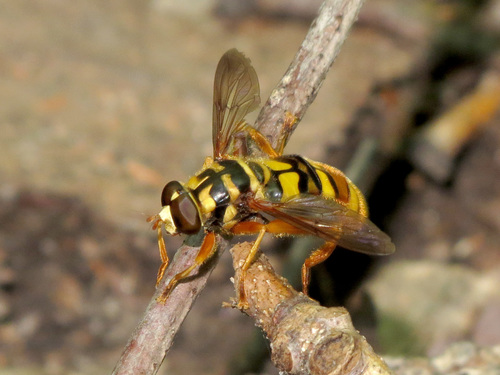
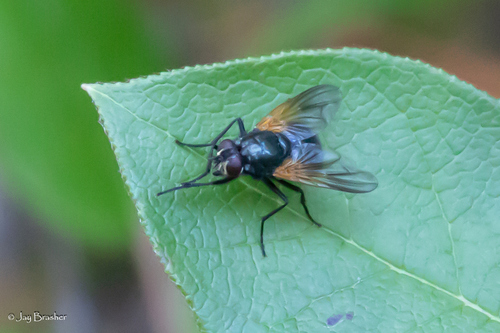
Adults measure approximately 12–19 millimetres (0.47–0.75 in) in body length, excluding the wings, antennae, and legs. The body is predominantly black, while the transparent wings bear bold, irregular black markings that distinguish the species from other bee flies.

The tiger bee fly may initially be mistaken for a large bee because of its size, coloration, and hovering flight. Like other members of the order Diptera, however, it has only one functional pair of wings. Its bee-like appearance may discourage... Wikipedia →

Global Distribution

Parks Where Found

# Park Country Daily sighting probability
1 Great Smoky Mountains National Park 🇺🇸 United States
~10%
2 Shenandoah National Park 🇺🇸 United States
~10%

Cities Where Found

# City Country Daily sighting probability
1 Baltimore 🇺🇸 United States
~20%
2 Philadelphia 🇺🇸 United States
~10%
3 Detroit 🇺🇸 United States
~10%
4 Toronto 🇨🇦 Canada
~10%
5 Washington 🇺🇸 United States
~10%
6 Boston 🇺🇸 United States
~10%
7 New York City 🇺🇸 United States
~10%
8 Chicago 🇺🇸 United States
~10%
9 Houston 🇺🇸 United States
<5%

Before you go

What are the chances of seeing a Tiger Bee Fly in Great Smoky Mountains National Park?

With luck

About 10% of wildlife watchers report a Tiger Bee Fly sighting in Great Smoky Mountains National Park on a given day, based on 41 verified sightings from GBIF citizen-science data from 2019 to 2026. It is the 119th most-seen of the 822 insects we can rate there. Over three days the chance rises to about 30%, and over a week to about 50%, if each day is a fresh chance.

When is the best time to see a Tiger Bee Fly in Great Smoky Mountains National Park?

July

In that month about 20% of wildlife watchers report a Tiger Bee Fly in Great Smoky Mountains National Park on a given day, against under 5% in October to May, the lowest months.

What time of day is best to see a Tiger Bee Fly?

Between 11 am and 2 pm

Across all the parks we cover, that three-hour window holds the most Tiger Bee Fly sightings with a recorded time, and about 9 in 10 of them come between 6 am and 6 pm: it is a daytime animal.

Is Great Smoky Mountains National Park the best place to see a Tiger Bee Fly?

Yes

Of the 2 parks where we can rate Tiger Bee Fly sightings, Great Smoky Mountains National Park has the highest daily chance: about 10%. Next come Shenandoah National Park (United States, about 10%).

Which relatives of the Tiger Bee Fly live in Great Smoky Mountains National Park?

Same family: Bombyliidae

The closest relatives of the Tiger Bee Fly that you can see in Great Smoky Mountains National Park (family Bombyliidae, Bee Flies) are Greater Bee Fly (about 10%), Anthrax argyropygus (about 10%) and Bald Bee Fly (about 10%), with each one's daily chance of a sighting.

Where does the Tiger Bee Fly sighting chance come from?

GBIF citizen-science records

It is estimated from how often the Tiger Bee Fly is recorded against all the insects logged in Great Smoky Mountains National Park (41 verified sightings from 2019 to 2026), calibrated against known sighting rates. Figures are rounded to the nearest 10% because citizen-science data supports honest approximations, not decimals, and months with records from fewer than five people show "—". How it works.

← Back to Great Smoky Mountains National Park