

Yellow Poplar Weevil

Yellow Poplar Weevil

Odontopus calceatus

Daily sighting probability ~10% · With luck
at Great Smoky Mountains National Park

In 3 days ~20% in a week ~30%

13 Verified sightings at Great Smoky Mountains National Park From 2019 to 2026
46 In all 2 parks
June Best month
☀️ Diurnal When it's spotted

About the Yellow Poplar Weevil

Odontopus calceatus is a species of weevil which occurs in much of the eastern and southeastern United States. It is the only species in the genus Odontopus. Its range is as far north as Massachusetts all the way south to the Gulf of Mexico, and from the Atlantic westward to the Mississippi River. Common names include yellow poplar weevil, sassafras mining weevil, tuliptree leafminer, tulip tree weevil, or the magnolia leaf miner.

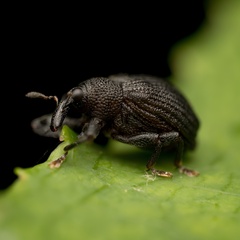
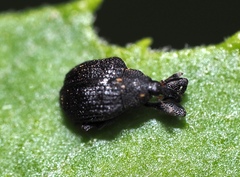
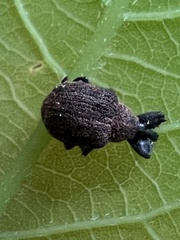
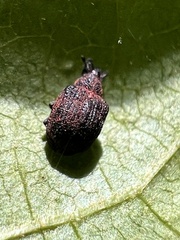
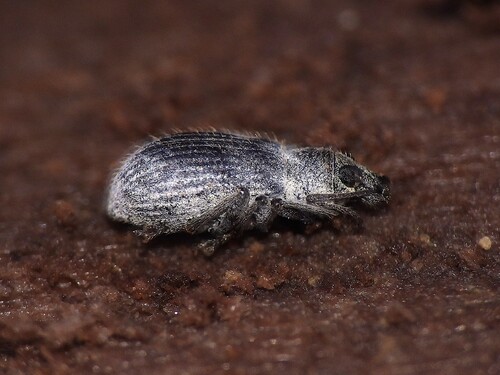
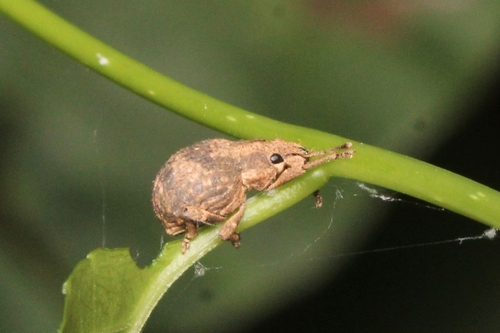
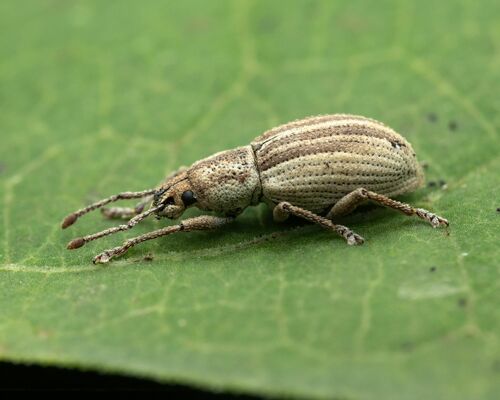
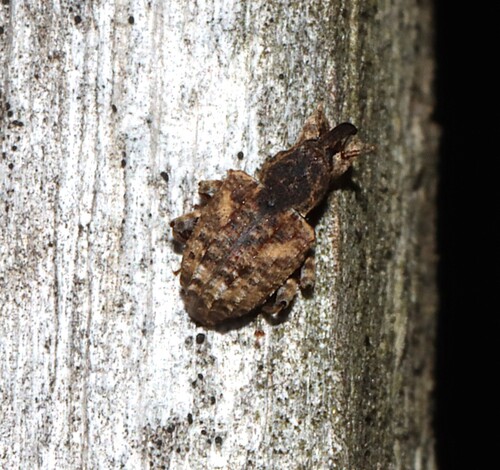
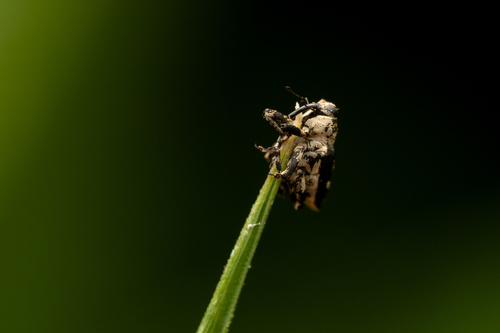
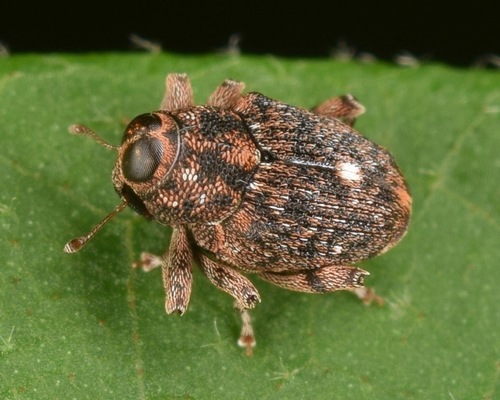
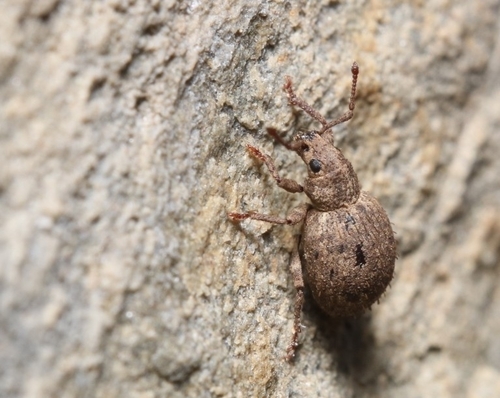
Yellow poplar weevils are small black-snouted beetles and are tick-like in appearance. While in its larval stage, the weevil presents as a white legless grub. Measuring approximately 1⁄16 inch (0.2 cm) long, the adult weevils are normally black or dark brown in coloring. While most weevils are a solid color it has been noted that some southern populations exhibit yellow antenna. Its protruding snout can lead them sometimes to be confused with a tick.

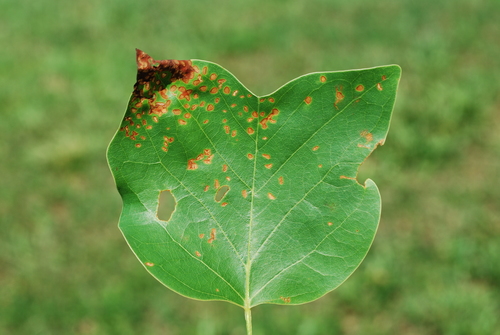
The weevil goes through a single life-cycle each year. Adults pass the winter months in surrounding leaf litter and become active throughout late April and early May. Before leaf buds on yellow-poplar, sassafras, or magnolia trees open, weevils attack the buds and leave their distinctive feeding... Wikipedia →

Global Distribution

Parks Where Found

# Park Country Daily sighting probability
1 Shenandoah National Park 🇺🇸 United States
~10%
2 Great Smoky Mountains National Park 🇺🇸 United States
~10%

Cities Where Found

# City Country Daily sighting probability
1 Washington 🇺🇸 United States
~10%

Before you go

What are the chances of seeing a Yellow Poplar Weevil in Great Smoky Mountains National Park?

With luck

About 10% of wildlife watchers report a Yellow Poplar Weevil sighting in Great Smoky Mountains National Park on a given day, based on 13 verified sightings from GBIF citizen-science data from 2019 to 2026. It is the 334th most-seen of the 822 insects we can rate there. Over three days the chance rises to about 20%, and over a week to about 30%, if each day is a fresh chance.

When is the best time to see a Yellow Poplar Weevil in Great Smoky Mountains National Park?

April to June

In those months about 10% of wildlife watchers report a Yellow Poplar Weevil in Great Smoky Mountains National Park on a given day, against under 5% in July to March, the lowest months.

What time of day is best to see a Yellow Poplar Weevil?

Between 1 and 4 pm

Across all the parks we cover, that three-hour window holds the most Yellow Poplar Weevil sightings with a recorded time, and about 9 in 10 of them come between 6 am and 6 pm: it is a daytime animal.

Is Great Smoky Mountains National Park the best place to see a Yellow Poplar Weevil?

Among the best

Of the 2 parks where we can rate Yellow Poplar Weevil sightings, Great Smoky Mountains National Park ranks 2nd at about 10%, level with the leaders once rounded. The best odds are in Shenandoah National Park (United States, about 10%).

Which relatives of the Yellow Poplar Weevil live in Great Smoky Mountains National Park?

Same family: Curculionidae

The closest relatives of the Yellow Poplar Weevil that you can see in Great Smoky Mountains National Park (family Curculionidae, True Weevils) are Asian Oak Weevil (about 10%) and Two-Banded Japanese Weevil (about 10%), with each one's daily chance of a sighting.

Where does the Yellow Poplar Weevil sighting chance come from?

GBIF citizen-science records

It is estimated from how often the Yellow Poplar Weevil is recorded against all the insects logged in Great Smoky Mountains National Park (13 verified sightings from 2019 to 2026), calibrated against known sighting rates. Figures are rounded to the nearest 10% because citizen-science data supports honest approximations, not decimals, and months with records from fewer than five people show "—". How it works.

← Back to Great Smoky Mountains National Park