

Atlantis Fritillary

Atlantis Fritillary

Speyeria atlantis

Daily sighting probability ~10% · With luck
at Gros Morne National Park

In 3 days ~40% in a week ~60%

10 Verified sightings at Gros Morne National Park From 2019 to 2026
207 In all 9 parks
July Best month
☀️ Diurnal When it's spotted

About the Atlantis Fritillary

Speyeria atlantis, the Atlantis fritillary, is a butterfly of the family Nymphalidae of North America. It is found from the Avalon Peninsula of Newfoundland and Labrador to northern British Columbia, across the northern United States south as far as Colorado and West Virginia. It resides as far north as James Bay. The species is listed as endangered in Connecticut.

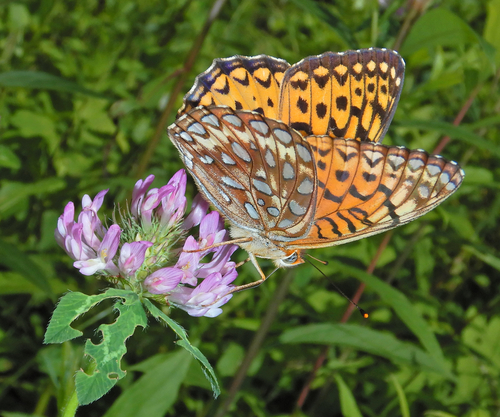
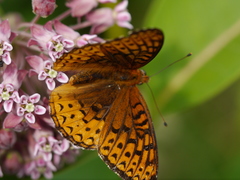
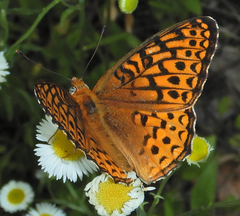
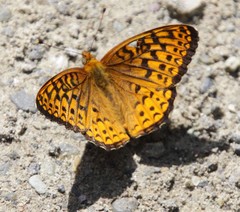
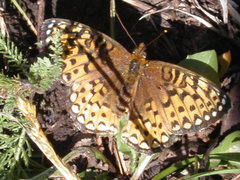
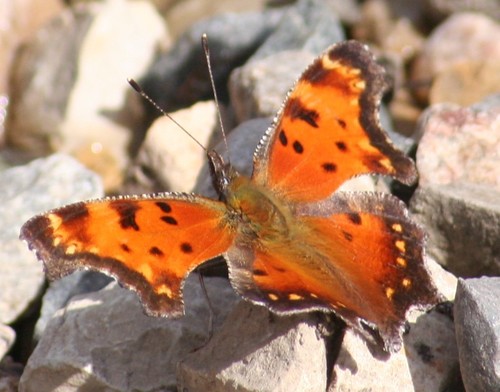
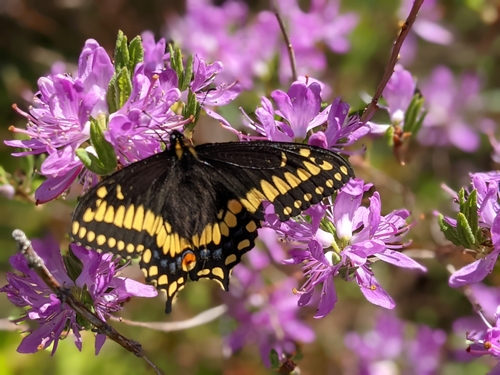
Its upperside is dark orange with many rows of black markings and black wing margins. Its underside is a light brown with many silvery-white spots. Wingspan ranges from 50–64 millimetres (2.0–2.5 in). The larvae are hosted by violets. Adult foods include common milkweed, mint, mountain laurel, crown vetch, burdock, boneset, ox-eye daisy, spiraea, and virgin's bower.

Atlantis fritillaries are sensitive to temperature with population trajectories showing declines in response to climate warming trends. Wikipedia →

Global Distribution

Parks Where Found

# Park Country Daily sighting probability
1 Cape Breton Highlands National Park 🇨🇦 Canada
~20%
2 Elk Island National Park 🇨🇦 Canada
~20%
3 Banff National Park 🇨🇦 Canada
~10%
4 Gros Morne National Park 🇨🇦 Canada
~10%
5 Jasper National Park 🇨🇦 Canada
~10%
6 Acadia National Park 🇺🇸 United States
~10%
7 Grand Canyon National Park 🇺🇸 United States
~10%
8 Glacier National Park 🇺🇸 United States
~10%
9 Rocky Mountain National Park 🇺🇸 United States
~10%

Cities Where Found

# City Country Daily sighting probability
1 Edmonton 🇨🇦 Canada
<5%
2 Calgary 🇨🇦 Canada
<5%

Before you go

What are the chances of seeing an Atlantis Fritillary in Gros Morne National Park?

With luck

About 10% of wildlife watchers report an Atlantis Fritillary sighting in Gros Morne National Park on a given day, based on 10 verified sightings from GBIF citizen-science data from 2019 to 2026. It is the 31st most-seen of the 83 insects we can rate there. Over three days the chance rises to about 40%, and over a week to about 60%, if each day is a fresh chance.

When is the best time to see an Atlantis Fritillary in Gros Morne National Park?

July and August

In those months about 20% of wildlife watchers report an Atlantis Fritillary in Gros Morne National Park on a given day, against under 5% in September to June, the lowest months.

What time of day is best to see an Atlantis Fritillary?

Between 2 and 5 pm

Across all the parks we cover, that three-hour window holds the most Atlantis Fritillary sightings with a recorded time, and nearly all of them come between 6 am and 6 pm: it is a daytime animal.

Which relatives of the Atlantis Fritillary live in Gros Morne National Park?

Same family: Nymphalidae

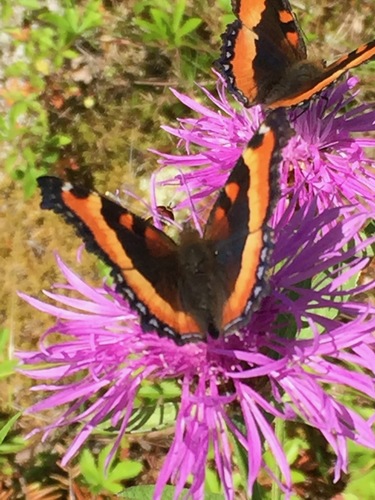
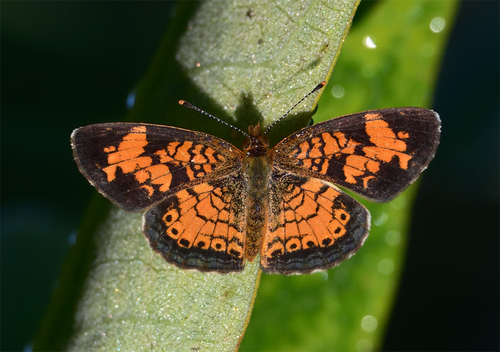
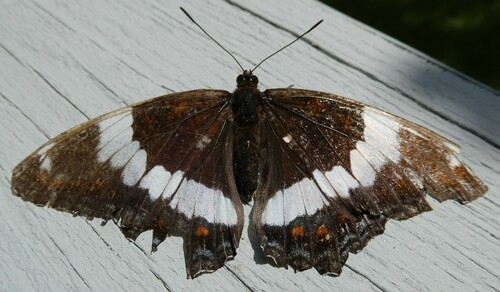
The closest relatives of the Atlantis Fritillary that you can see in Gros Morne National Park (family Nymphalidae, Brush-footed Butterflies) are Milbert's Tortoiseshell (about 30%), Red Admiral (about 20%) and Pearl Crescent (about 20%), with each one's daily chance of a sighting.

Where does the Atlantis Fritillary sighting chance come from?

GBIF citizen-science records

It is estimated from how often the Atlantis Fritillary is recorded against all the insects logged in Gros Morne National Park (10 verified sightings from 2019 to 2026), calibrated against known sighting rates. Figures are rounded to the nearest 10% because citizen-science data supports honest approximations, not decimals, and months with records from fewer than five people show "—". How it works.

← Back to Gros Morne National Park