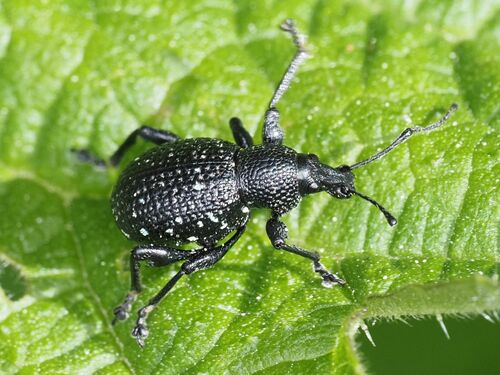
Mountain Monkey Beetle

Mountain Monkey Beetle

Hoplia argentea

Daily sighting probability ~10% · With luck
at Hohe Tauern National Park

In 3 days ~30% in a week ~60%

8 Verified sightings at Hohe Tauern National Park From 2019 to 2026
77 In all 7 parks
June Best month
☀️ Diurnal When it's spotted

About the Mountain Monkey Beetle

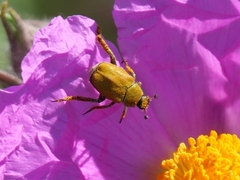
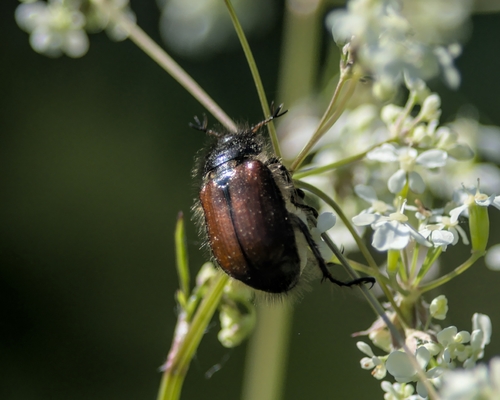
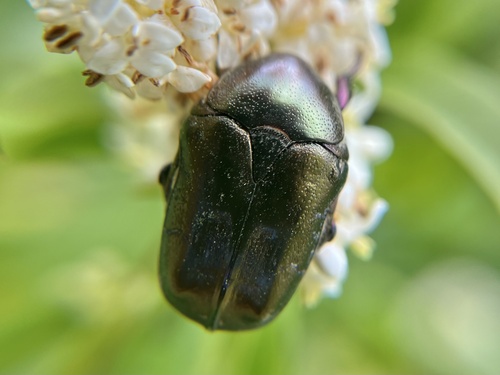
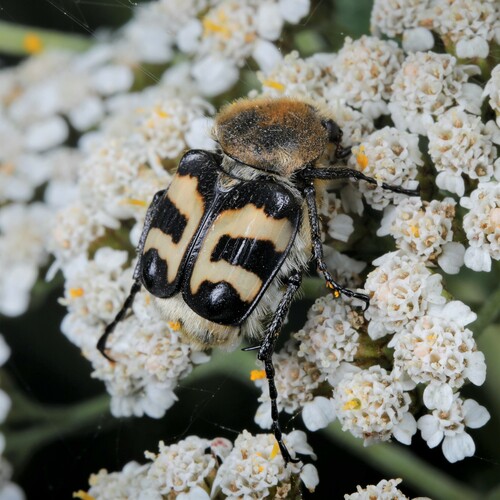
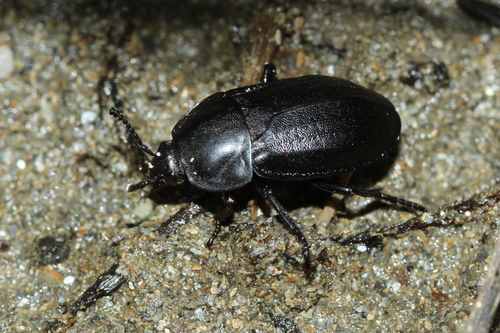
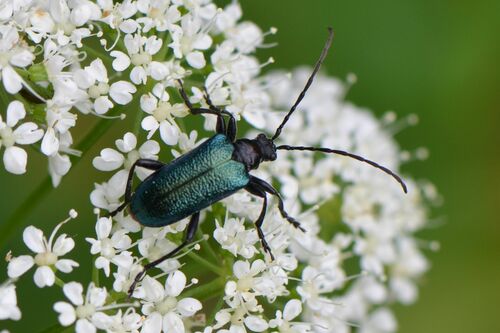
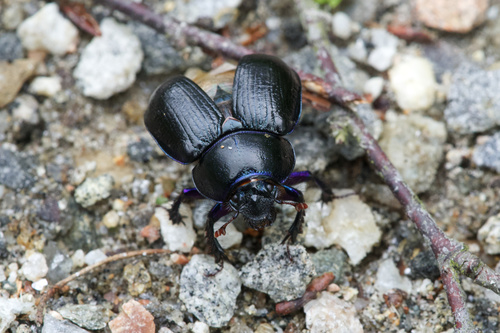
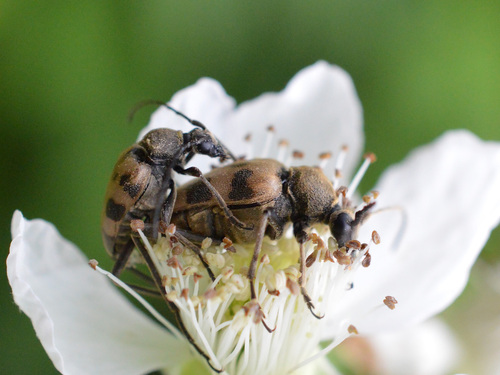
Hoplia argentea, the Mountain monkey beetle is a species of scarabaeid beetle belonging to the subfamily Melolonthinae. Adults are quite colourful. These flower-loving scarabs, quite common in the mountains, are present in most of Europe (Albania, Austria, Belgium, Croatia, Czech Republic, France, Germany, Greece, Hungary, Italy, Luxembourg, Macedonia, Montenegro, Romania, Serbia, Slovakia, Slovenia, Spain, Switzerland).

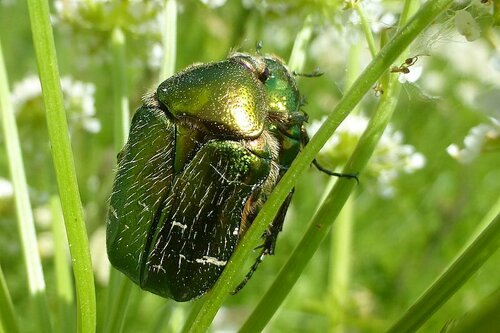
These beetles inhabit open landscapes, parks, mixed forests, gardens, forest edges and meadows. The adults of Hoplia argentea grow up to 9–12 millimetres (0.35–0.47 in) long. It is a very variable chromatic species. The body of these medium-sized flower-loving scarabs is covered with pale green, bluish-green or yellow ocher scales. The scales produce interference colors (as with butterflies). Old specimens lose most of the scales, changing their color from green to brown. Like other species of the genus Hoplia, it has fairly long hind legs terminated by a single nail. The legs in males are black with longer hind legs, while in the female they are reddish and the body colour is usually brown.

Adults can... Wikipedia →
Global Distribution

Parks Where Found

# Park Country Daily sighting probability
1 Hohe Tauern National Park 🇦🇹 Austria
~10%
2 Mercantour National Park 🇫🇷 France
~10%
3 Ecrins National Park 🇫🇷 France
~10%
4 Triglav National Park 🇸🇮 Slovenia
~10%
5 Vanoise National Park 🇫🇷 France
~10%
6 Cévennes National Park 🇫🇷 France
~10%
7 Bavarian Forest National Park 🇩🇪 Germany
~10%

Cities Where Found

# City Country Daily sighting probability
1 Munich 🇩🇪 Germany
<5%

Before you go

What are the chances of seeing a Mountain Monkey Beetle in Hohe Tauern National Park?

With luck

About 10% of wildlife watchers report a Mountain Monkey Beetle sighting in Hohe Tauern National Park on a given day, based on 8 verified sightings from GBIF citizen-science data from 2019 to 2026. It is the 93rd most-seen of the 165 insects we can rate there. Over three days the chance rises to about 30%, and over a week to about 60%, if each day is a fresh chance.

When is the best time to see a Mountain Monkey Beetle in Hohe Tauern National Park?

June

In that month about 20% of wildlife watchers report a Mountain Monkey Beetle in Hohe Tauern National Park on a given day, against under 5% in February–May and August–October, the lowest months. December has too few records to rate.

What time of day is best to see a Mountain Monkey Beetle?

Between 10 am and 1 pm

Across all the parks we cover, that three-hour window holds the most Mountain Monkey Beetle sightings with a recorded time, and nearly all of them come between 6 am and 6 pm: it is a daytime animal.

Is Hohe Tauern National Park the best place to see a Mountain Monkey Beetle?

Yes

Of the 7 parks where we can rate Mountain Monkey Beetle sightings, Hohe Tauern National Park has the highest daily chance: about 10%. Next come Mercantour National Park (France, about 10%) and Ecrins National Park (France, about 10%).

Which relatives of the Mountain Monkey Beetle live in Hohe Tauern National Park?

Same family: Scarabaeidae

The closest relatives of the Mountain Monkey Beetle that you can see in Hohe Tauern National Park (family Scarabaeidae, Scarabs) are Garden Chafer (about 20%), Copper Chafer (about 20%) and Eurasian Bee Beetle (about 10%), with each one's daily chance of a sighting.

Where does the Mountain Monkey Beetle sighting chance come from?

GBIF citizen-science records

It is estimated from how often the Mountain Monkey Beetle is recorded against all the insects logged in Hohe Tauern National Park (8 verified sightings from 2019 to 2026), calibrated against known sighting rates. Figures are rounded to the nearest 10% because citizen-science data supports honest approximations, not decimals, and months with records from fewer than five people show "—". How it works.

← Back to Hohe Tauern National Park