Yellow Velvet Beetle

Yellow Velvet Beetle

Cosmosalia chrysocoma

Daily sighting probability ~10% · With luck
at Jasper National Park

In 3 days ~30% in a week ~50%

15 Verified sightings at Jasper National Park From 2019 to 2026
227 In all 8 parks
July Best month
☀️ Diurnal When it's spotted

About the Yellow Velvet Beetle

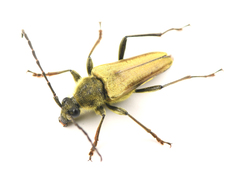
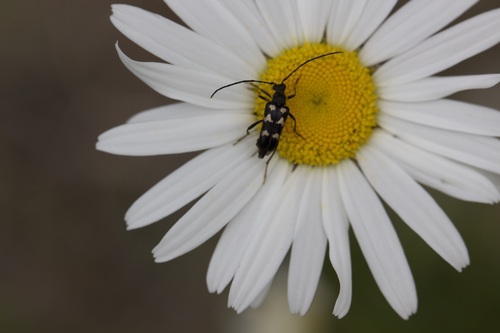
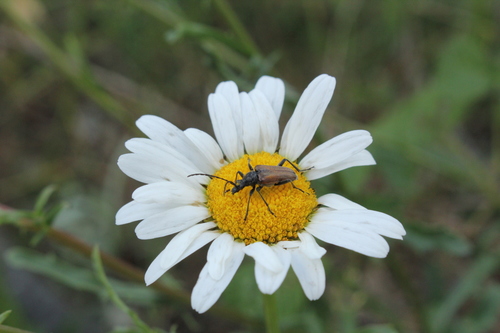
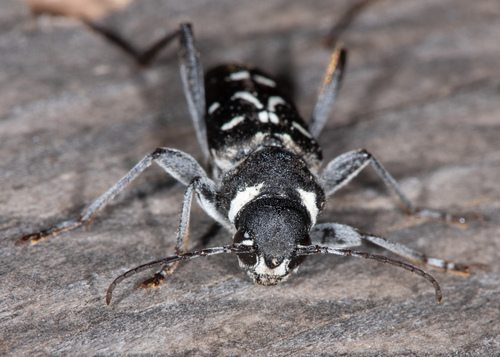
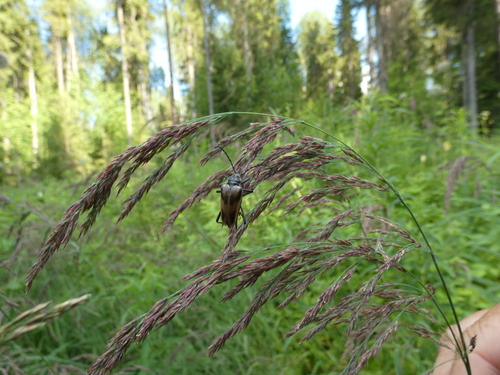
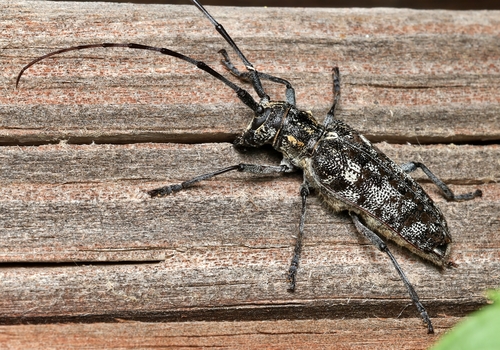
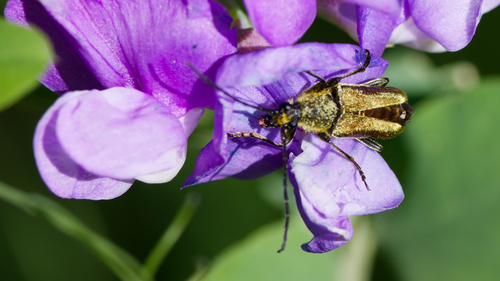
Lepturobosca chrysocoma is a species of beetle in the family Cerambycidae. It was described as Cosmosalia chrysocoma by William Kirby in 1837. In 1998, comparison of Cosmalia chrysocoma with Lepturobosca virens by the Russian entomologist Alexander Ivanovich Miroshnikov resulted in Cosmalia and Lepturobosca grouped together under the name Lepturobosca. Common names used for this beetle include Yellow velvet beetle, Golden flower longhorn beetle and Golden-haired flower longhorn.

This beetle is known to occur in Canada in British Columbia, Alberta, Saskatchewan, Manitoba, Ontario, Quebec, New Brunswick, Nova Scotia, Newfoundland, Prince Edward Island, Northwest Territories and Yukon Territory. It has been found in the United States in Montana and Wyoming.

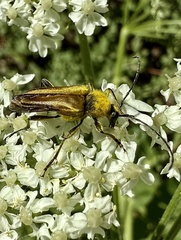
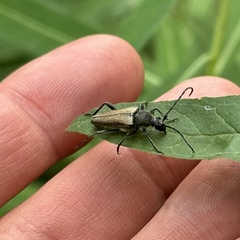
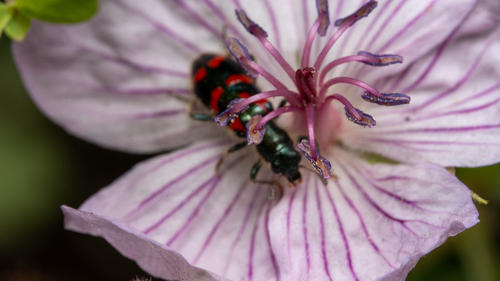
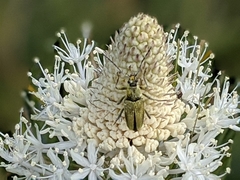
The beetles are 10–20 millimetres (0.39–0.79 in) long and are covered by a dense coat of golden hairs. Adult beetles are frequently seen feeding on flowers in the summer. Their hairy coats pick up pollen, which is transferred to other flowers as they feed, allowing pollination.

Larvae feed on decaying wood of trees, including Picea mariana and Populus. This species is a known host for Coleocentrus quebecensis, a parasitic wasp in the subfamily Acaenitinae. Wikipedia →
Global Distribution

Parks Where Found

# Park Country Daily sighting probability
1 Grand Teton National Park 🇺🇸 United States
~20%
2 Glacier National Park 🇺🇸 United States
~20%
3 Yellowstone National Park 🇺🇸 United States
~10%
4 Jasper National Park 🇨🇦 Canada
~10%
5 Yosemite National Park 🇺🇸 United States
~10%
6 Grand Canyon National Park 🇺🇸 United States
~10%
7 Banff National Park 🇨🇦 Canada
<5%
8 Great Bear Rainforest 🇨🇦 Canada
<5%

Before you go

What are the chances of seeing a Yellow Velvet Beetle in Jasper National Park?

With luck

About 10% of wildlife watchers report a Yellow Velvet Beetle sighting in Jasper National Park on a given day, based on 15 verified sightings from GBIF citizen-science data from 2019 to 2026. It is the 33rd most-seen of the 88 insects we can rate there. Over three days the chance rises to about 30%, and over a week to about 50%, if each day is a fresh chance.

When is the best time to see a Yellow Velvet Beetle in Jasper National Park?

July

In that month about 20% of wildlife watchers report a Yellow Velvet Beetle in Jasper National Park on a given day, against under 5% in September to May, the lowest months. That is one of Jasper National Park's wettest months, with about 130 mm of rain against 55 mm in April.

What time of day is best to see a Yellow Velvet Beetle?

Between 11 am and 2 pm

Across all the parks we cover, that three-hour window holds the most Yellow Velvet Beetle sightings with a recorded time, and about 9 in 10 of them come between 6 am and 6 pm: it is a daytime animal.

Is Jasper National Park the best place to see a Yellow Velvet Beetle?

4th of 8

Of the 8 parks where we can rate Yellow Velvet Beetle sightings, Jasper National Park ranks 4th at about 10%. The best odds are in Grand Teton National Park (United States, about 20%), Glacier National Park (United States, about 20%) and Yellowstone National Park (United States, about 10%).

Which relatives of the Yellow Velvet Beetle live in Jasper National Park?

Same family: Cerambycidae

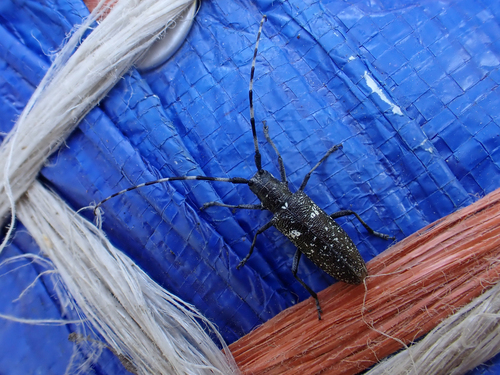
The closest relatives of the Yellow Velvet Beetle that you can see in Jasper National Park (family Cerambycidae, Longhorn Beetles) are White-Spotted Sawyer (about 30%), Judolia montivagans (about 10%) and Gnathacmaeops pratensis (about 10%), with each one's daily chance of a sighting.

Where does the Yellow Velvet Beetle sighting chance come from?

GBIF citizen-science records

It is estimated from how often the Yellow Velvet Beetle is recorded against all the insects logged in Jasper National Park (15 verified sightings from 2019 to 2026), calibrated against known sighting rates. Figures are rounded to the nearest 10% because citizen-science data supports honest approximations, not decimals, and months with records from fewer than five people show "—". How it works.

← Back to Jasper National Park