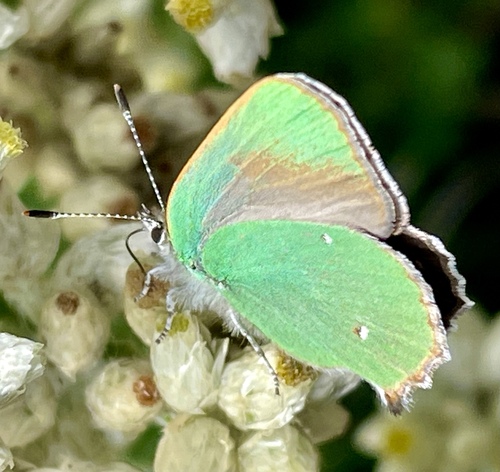
Lotus Hairstreak

Lotus Hairstreak

Callophrys dumetorum

Daily sighting probability <5% · Rare
at Joshua Tree National Park

In 3 days ~10% in a week ~30%

6 Verified sightings at Joshua Tree National Park From 2019 to 2026
12 In all 2 parks
April Best month
☀️ Diurnal When it's spotted

About the Lotus Hairstreak

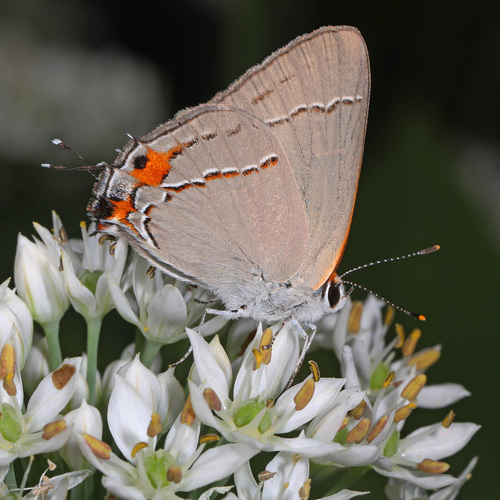
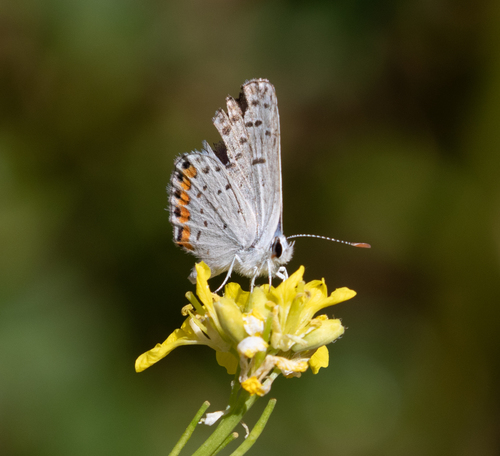
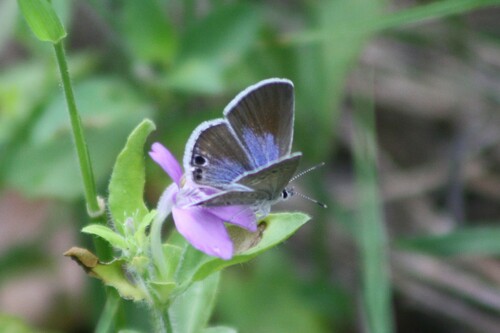
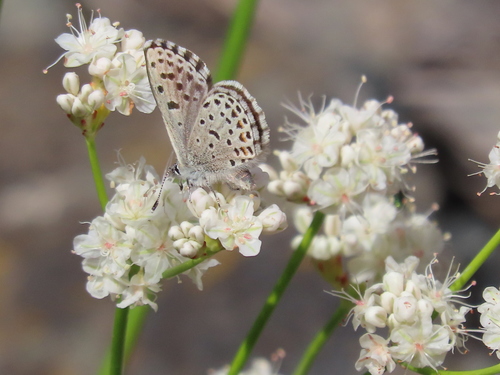
Callophrys dumetorum, the bramble hairstreak or lotus hairstreak, is a butterfly of the family Lycaenidae. It is found in the United States in coastal California and rarely in inland California. Subspecies C. d. oregonensis is known as the Oregon green hairstreak.

Callophrys dumetorum has a wingspan is 25–32 mm. The wings are light brown dorsally, and vivid green ventrally, with a broken white postmedial line. On the forewing, the green is typically limited to the leading 1/3rd of the wing.

These butterflies can be found in heathlands, road-cuts, coastal dunes, and open sites and clearings in Douglas-fir and ponderosa pine forests. The larvae have been recorded on broad-leafed lotus and Acmispon nevadensis Adults feed on nectar from these plants, as well as from desert parsley, dogbane, yerba santa, California buckeye, and woolly sunflower.

In 1998 Emmet et al. identified the lectotype for C. dumetorum as the Coastal Green Hairstreak (Callophrys viridis). This disagreement over the identity of the lectotype of C. dumetorum led to confusion between C. dumetorum, C. sheridanii, and C. viridis. The binomial name... Wikipedia →
Global Distribution

Parks Where Found

# Park Country Daily sighting probability
1 Channel Islands National Park 🇺🇸 United States
~10%
2 Joshua Tree National Park 🇺🇸 United States
<5%

Cities Where Found

# City Country Daily sighting probability
1 San Diego 🇺🇸 United States
<5%
2 Los Angeles 🇺🇸 United States
<5%
3 San Francisco 🇺🇸 United States
<5%

Before you go

What are the chances of seeing a Lotus Hairstreak in Joshua Tree National Park?

Rare

Under 5% of wildlife watchers report a Lotus Hairstreak sighting in Joshua Tree National Park on a given day, based on 6 verified sightings from GBIF citizen-science data from 2019 to 2026. It is the 147th most-seen of the 190 insects we can rate there. Over three days the chance rises to about 10%, and over a week to about 30%, if each day is a fresh chance.

When is the best time to see a Lotus Hairstreak in Joshua Tree National Park?

March to May

In those months about 10% of wildlife watchers report a Lotus Hairstreak in Joshua Tree National Park on a given day, against under 5% in June to February, the lowest months.

What time of day is best to see a Lotus Hairstreak?

Between noon and 3 pm

Across all the parks we cover, that three-hour window holds the most Lotus Hairstreak sightings with a recorded time, and nearly all of them come between 6 am and 6 pm: it is a daytime animal.

Is Joshua Tree National Park the best place to see a Lotus Hairstreak?

2nd of 2

Of the 2 parks where we can rate Lotus Hairstreak sightings, Joshua Tree National Park ranks 2nd at under 5%. The best odds are in Channel Islands National Park (United States, about 10%).

Which relatives of the Lotus Hairstreak live in Joshua Tree National Park?

Same family: Lycaenidae

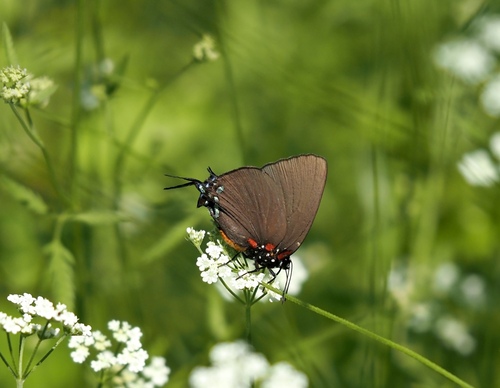
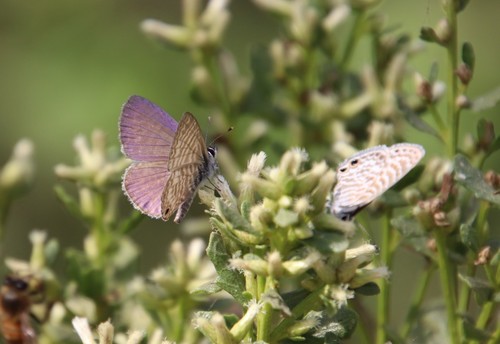
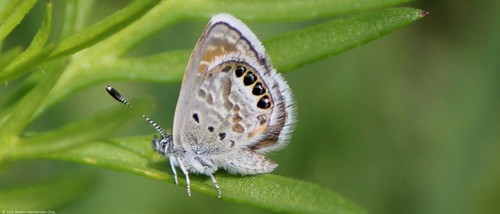
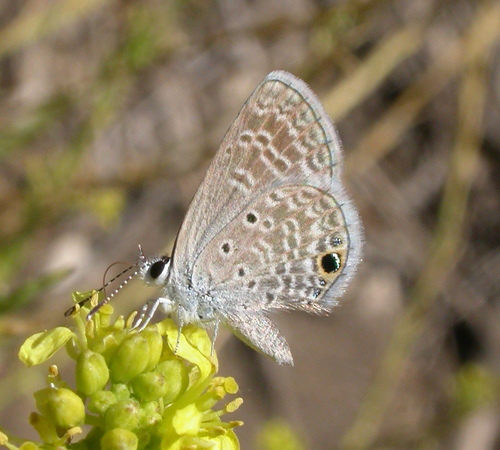
The closest relatives of the Lotus Hairstreak that you can see in Joshua Tree National Park (family Lycaenidae, Gossamer-winged Butterflies) are Great Purple Hairstreak (about 30%), Marine Blue (about 20%) and Western Pygmy-Blue (about 20%), with each one's daily chance of a sighting.

Where does the Lotus Hairstreak sighting chance come from?

GBIF citizen-science records

It is estimated from how often the Lotus Hairstreak is recorded against all the insects logged in Joshua Tree National Park (6 verified sightings from 2019 to 2026), calibrated against known sighting rates. Figures are rounded to the nearest 10% because citizen-science data supports honest approximations, not decimals, and months with records from fewer than five people show "—". How it works.

← Back to Joshua Tree National Park