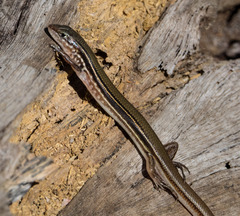
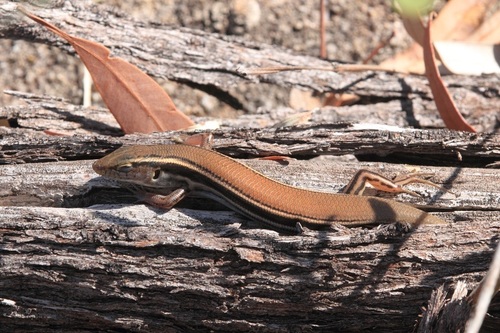
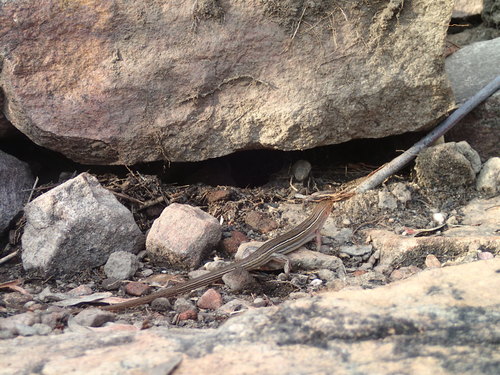
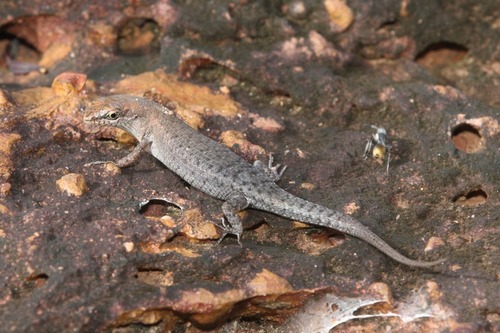
Lowlands Plain-backed Ctenotus

Lowlands Plain-backed Ctenotus

Ctenotus essingtonii

Silhouette: David Orr · PhyloPic

LCLeast ConcernNTVUENCR Endemic
Daily sighting probability ~20% · Possible
at Kakadu National Park

In 3 days ~50% in a week ~80%

17 Verified sightings at Kakadu National Park From 2019 to 2026
52 In all 2 parks
January Best month
☀️ Diurnal When it's spotted

About the Lowlands Plain-backed Ctenotus

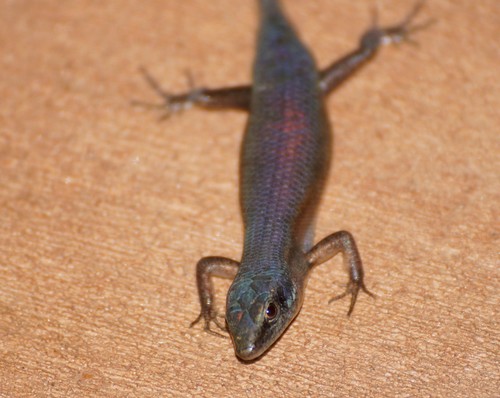
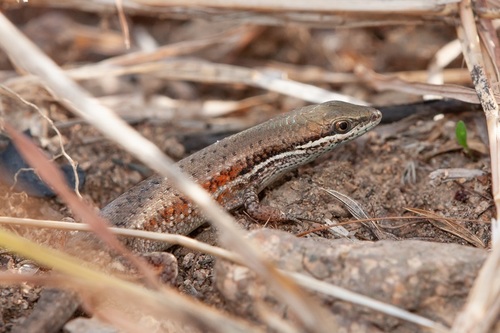
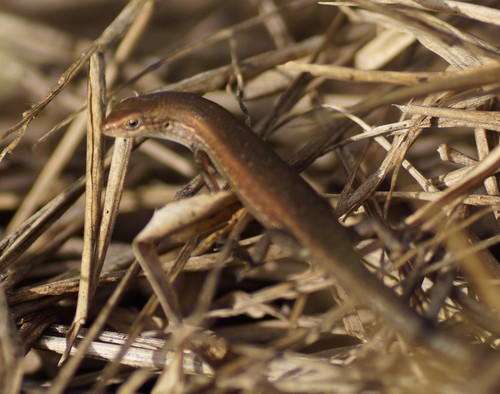
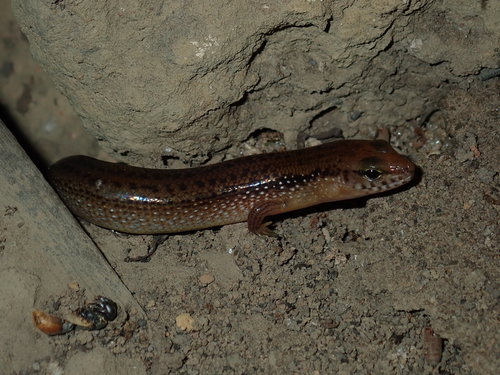
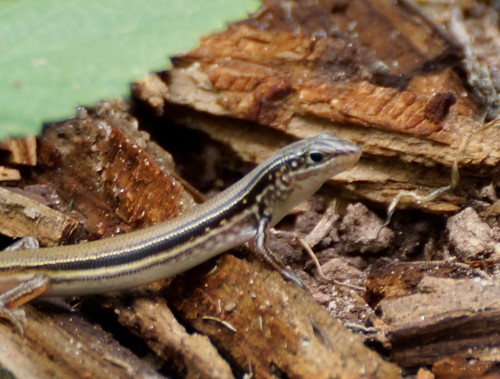
Ctenotus essingtonii, also known commonly as Essington's ctenotus and the lowlands plain-backed ctenotus, is a species of skink. The species can be found in the Northern Territory and Cape York Peninsula of North Queensland.

The specific name, essingtonii, refers to the locality Port Essington, Australia. C. essingtonii is found in the northern portion of the Northern Territory, including the Tiwi Islands. The preferred natural habitat of C. essingtonii is forest.

C. essingtonii may attain a snout-to-vent length (SVL) of 6.5 cm (2.6 in). It has five toes on each of its four feet. It is slender, with 26 scale rows at midbody. Sexually mature individuals of C. essingtonii breed during the dry season. The species is oviparous.

Cogger HG (2014). Reptiles and Amphibians of Australia, Seventh Edition. Clayton, Victoria, Australia: CSIRO Publishing. xxx + 1,033 pp. ISBN 978-0643100350. Gray JE (1842). "Description of some hitherto unrecorded species of Australian Reptiles and Batrachians". Zoological Miscellany 2: 51–57. (Tiliqua essingtonii, new species, pp. 51... Wikipedia →
Global Distribution

Parks Where Found

# Park Country Daily sighting probability
1 Litchfield National Park 🇦🇺 Australia
~50%
2 Kakadu National Park 🇦🇺 Australia
~20%

Before you go

What are the chances of seeing a Lowlands Plain-backed Ctenotus in Kakadu National Park?

Possible

About 20% of wildlife watchers report a Lowlands Plain-backed Ctenotus sighting in Kakadu National Park on a given day, based on 17 verified sightings from GBIF citizen-science data from 2019 to 2026. It is the 20th most-seen of the 54 reptiles we can rate there. Over three days the chance rises to about 50%, and over a week to about 80%, if each day is a fresh chance.

When is the best time to see a Lowlands Plain-backed Ctenotus in Kakadu National Park?

January and September

In those months about 40% of wildlife watchers report a Lowlands Plain-backed Ctenotus in Kakadu National Park on a given day, against under 5% in March and November–December, the lowest months. Those are among Kakadu National Park's wettest months, with about 190 mm of rain a month against almost none in August.

What time of day is best to see a Lowlands Plain-backed Ctenotus?

Between 11 am and 2 pm

Across all the parks we cover, that three-hour window holds the most Lowlands Plain-backed Ctenotus sightings with a recorded time, and about 9 in 10 of them come between 6 am and 6 pm: it is a daytime animal.

Is Kakadu National Park the best place to see a Lowlands Plain-backed Ctenotus?

2nd of 2

Of the 2 parks where we can rate Lowlands Plain-backed Ctenotus sightings, Kakadu National Park ranks 2nd at about 20%. The best odds are in Litchfield National Park (Australia, about 50%).

Which relatives of the Lowlands Plain-backed Ctenotus live in Kakadu National Park?

Same genus: Ctenotus

The closest relatives of the Lowlands Plain-backed Ctenotus that you can see in Kakadu National Park (genus Ctenotus, Ctenotus Skinks) are Brown-backed Ctenotus (about 10%) and Sharp-browed Ctenotus (about 10%), with each one's daily chance of a sighting.

Where does the Lowlands Plain-backed Ctenotus sighting chance come from?

GBIF citizen-science records

It is estimated from how often the Lowlands Plain-backed Ctenotus is recorded against all the reptiles logged in Kakadu National Park (17 verified sightings from 2019 to 2026), calibrated against known sighting rates. Figures are rounded to the nearest 10% because citizen-science data supports honest approximations, not decimals, and months with records from fewer than five people show "—". How it works.

← Back to Kakadu National Park