Kakadu National Park
🇦🇺 Australia
Oceania, Australia 790 spp. recorded
Kakadu National Park sits in the tropical savanna of Australia’s Northern Territory, a mosaic of floodplains, sandstone escarpments and monsoon‑driven wetlands. Saltwater crocodiles linger in river pools, agile wallabies bound across the ridges, and flocks of magpie geese gather on the shallow seasonally‑filled lagoons.
-13.358° S 132.595° E
🦜 Nature

353 Species sighted
66,762 Verified sightings From 2019 to 2026
Nov Best month
⭐ Iconic Species




📊 Most Spotted




⭐ Iconic Species
📊 Most Spotted




⭐ Iconic Species
📊 Most Spotted

⭐ Iconic Species
📊 Most Spotted


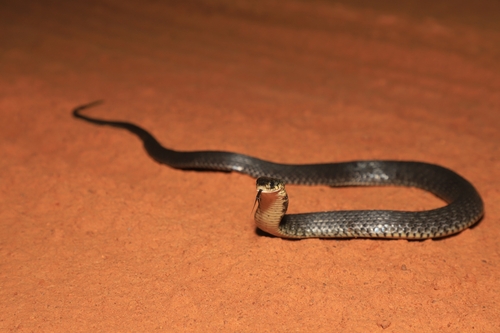


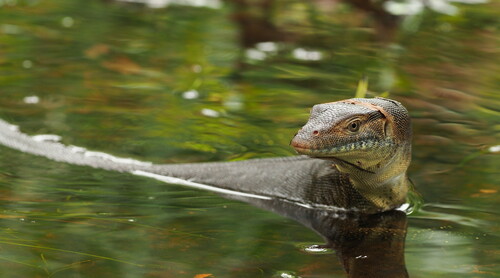


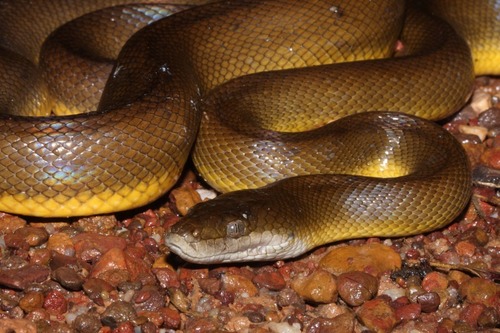


📊 Most Spotted


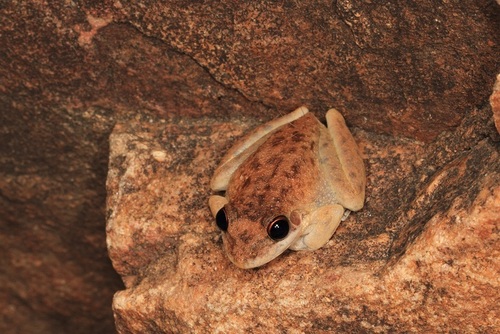

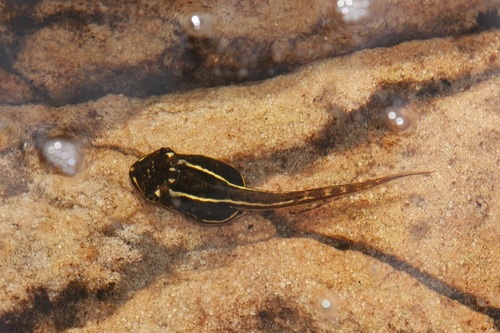


📊 Most Spotted
🌙 Most active after dark
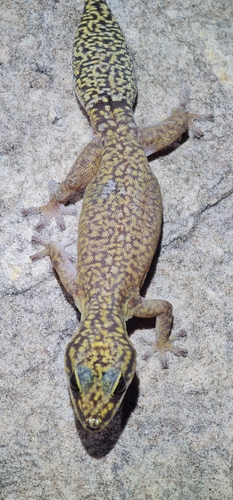


+ 526 more species with insufficient data
Recent sightings in Kakadu National Park
LIVEiNaturalistSounds of Kakadu National Park
Dawn soundscape10:02
Australia · 2018
© Kakadu Nat Park: Fire Project (via Colin Trainor) · XC482453 · CC BY-NC-SA 4.0
Morning soundscape14:05
Australia · 2018
© Kakadu Nat Park: Fire Project (via Colin Trainor) · XC482572 · CC BY-NC-SA 4.0
Dusk soundscape5:01
Australia · 2018
© Kakadu Nat Park: Fire Project (via Colin Trainor) · XC483005 · CC BY-NC-SA 4.0
Sighting Calendar
How many species you'd see in a day
59Jan
21Feb
52Mar
56Apr
59May
64Jun
52Jul
56Aug
58Sep
61Oct
68Nov
59Dec
Sighting Zones
Warmer areas are where all species together are recorded most often.
-
Mamukala Billabong
-
Ubirr
Daily sight. prob.vs avg Saltwater Crocodile~90%+10%
 Eastern Short-eared Rock-wallaby~80%+40%
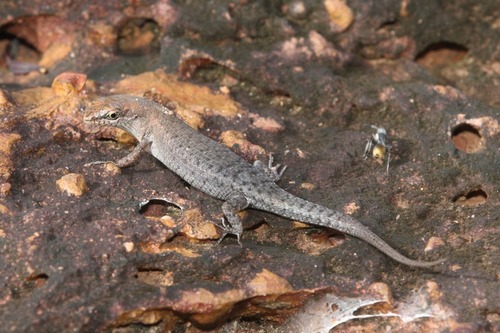
 Bauxite Rainbow Skink~70%+10%
 Whistling Kite~60%-20%
 Sulphur-crested Cockatoo~50%-20%
 Rainbow Bee-eater~40%-20%
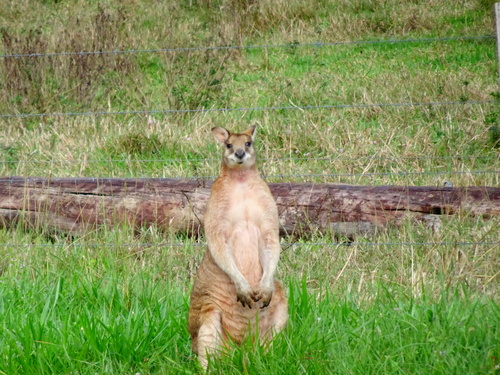
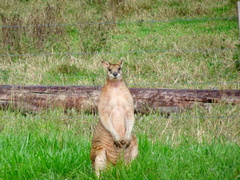 Agile Wallaby~40%-20%
 Little Corella~40%-20%
 Frill-necked Lizard~40%≈
 Bar-shouldered Dove~40%-40%
 Gilbert's Dragon~30%+10%
 White-bellied Cuckooshrike~30%-20%
-
Yellow Water
Daily sight. prob.vs avg -
Kakadu Lodge (Jabiru)
Daily sight. prob.vs avg -
Nourlangie Rock
Daily sight. prob.vs avg- Bauxite Rainbow Skink~90%+30%
- Agile Wallaby~60%+10%
 Woodward S Wallaroo~50%+30%
 Torresian Crow~50%-20%
- Little Corella~40%-20%
- Sulphur-crested Cockatoo~40%-30%
 Peaceful Dove~40%-30%
 Common Prickly Gecko~40%+10%
- 🐸Woodworker Frog~40%+30%
- Bar-shouldered Dove~30%-40%
 Blue-winged Kookaburra~30%-20%
- Rainbow Bee-eater~30%-30%


🏕️ Experience
Essentials
Climate
Temp °C Rain mm
JanFebMarAprMayJunJulAugSepOctNovDec
0.0 Excellent
Wallace's Line Score
How good is this park for seeing wildlife? 🦜
Biodiversity
Very goodHow rich is the wildlife?
4.5
Species by taxon
🦅 Birds 409
🐒 Mammals 128
🦎 Reptiles 221
🐸 Amphibians 32
790 Total Species
828 Global average across 316 parks
48 Threatened 300 Endemic
🔭
Sighting
Very goodHow likely to see animals?
3.9
🎯
Top-12 Avg Probability
66% 📊
Coverage (218 species at ≥5% of 790 in the inventory)
28% 🔀
Taxon variety in top 12 (9 bird, 2 reptile, 1 mammal)
54% 🔭
Species per 10 outings (distinct species a visitor would meet over 10 outings — effort held equal across parks)
118 🌟
Iconic-group species (≥15%) (every species from the 19 iconic groups — monkeys, cats, toucans, macaws, sloths, crocodilians… — not just the 4 highlighted above)
22 ⭐
High-prob species (>40%)
38 🏕️
Experience
Very goodHow easy and pleasant is the visit?
4.3
Climate Mixed Medium
Entrance Paid Low
Tourism Medium Medium
Trails Easy High
World Heritage Yes Bonus
What visitors say
I mostly hung around the birdhide but saw 32 species, including LGA ticks Australian and whiskered terns hunting over the billabong, an arafura shrikethrush, and a white-breasted woodswallow.
Nevertheless, one morning I found a female red-tailed black cockatoo (Calyptorhynchus banksii) in the shade.
There are over 280 bird species in Kakadu and I reckon we saw every single one of them (not quite!) Whilst our tour guide pointed out every visible crocodile, I focussed on the incredible landscape, the bird life, the wild brumbies, the buffalo and the overall beauty of the billabongs we were travelling through.
They were exchanged as everyone tried to determine whether it was a genuine crocodile, or a “log-odile.” On the way back to the campsite, we saw a trio of dancing brolgas – though no dances were on at the time!
Before you go
What animals can you see in Kakadu National Park?
790 species
Kakadu National Park has 790 recorded vertebrate species. The ones wildlife watchers report most often on a given day are Saltwater Crocodile (about 80%), Whistling Kite (about 80%), Bar-shouldered Dove (about 70%), Torresian Crow (about 70%) and Peaceful Dove (about 70%). Among mammals, the most-seen is Agile Wallaby (about 60%); among amphibians, Eastern Cane Toad (about 40%).
When is the best time to visit Kakadu National Park for wildlife?
March, June and August–December
In those months the park's 12 most-seen species average about 70% on a given day, against about 60% in January, April–May and July.
Can you see a Saltwater Crocodile in Kakadu National Park?
Yes
About 80% of wildlife watchers report a Saltwater Crocodile sighting in Kakadu National Park on a given day, based on 679 verified sightings from GBIF citizen-science data from 2019 to 2026. The best time is July, September and November (about 90%).
Can you see a Magpie Goose in Kakadu National Park?
Yes
About 50% of wildlife watchers report a Magpie Goose sighting in Kakadu National Park on a given day, based on 1,052 verified sightings from GBIF citizen-science data from 2019 to 2026. The best time is October and December (about 70%).
Can you see an Agile Wallaby in Kakadu National Park?
Yes
About 60% of wildlife watchers report an Agile Wallaby sighting in Kakadu National Park on a given day, based on 156 verified sightings from GBIF citizen-science data from 2019 to 2026. The best time is October and November (about 80%).
Can you see a Frill-necked Lizard in Kakadu National Park?
Yes
About 40% of wildlife watchers report a Frill-necked Lizard sighting in Kakadu National Park on a given day, based on 47 verified sightings from GBIF citizen-science data from 2019 to 2026. The best time is December and January (about 70%).
Where in Kakadu National Park is wildlife easiest to see?
Around Mamukala Billabong
The richest sighting zone is around Mamukala Billabong, followed by Ubirr and Yellow Water, ranked by how many of the park's headline animals visitors can expect to see in each. See the zones on the map.
Is Kakadu National Park good for wildlife watching?
4.0 out of 5
On the Wallace's Line Score, Kakadu National Park rates 4.0/5: 102nd of 316 parks worldwide and 3rd in Oceania. 50 of its species are reported by about 40% or more of wildlife watchers on a given day.


